Start with these Korean repair request phrases: 고장 났어요, 관리사무소에 문의할게요, 관리비에 포함되나요, 고지서를 확인할게요, 방문 시간을 알려 주세요.
Korean repair request phrases help foreign residents explain a housing problem without getting lost in a long phone call or office visit. When something breaks in an apartment, studio room, or shared building, you usually need to describe the place, say what is out of order, ask the management office what to do, and confirm whether a fee is included in the maintenance fee or utility bills. This lesson keeps the language practical, polite, and easy to reuse.
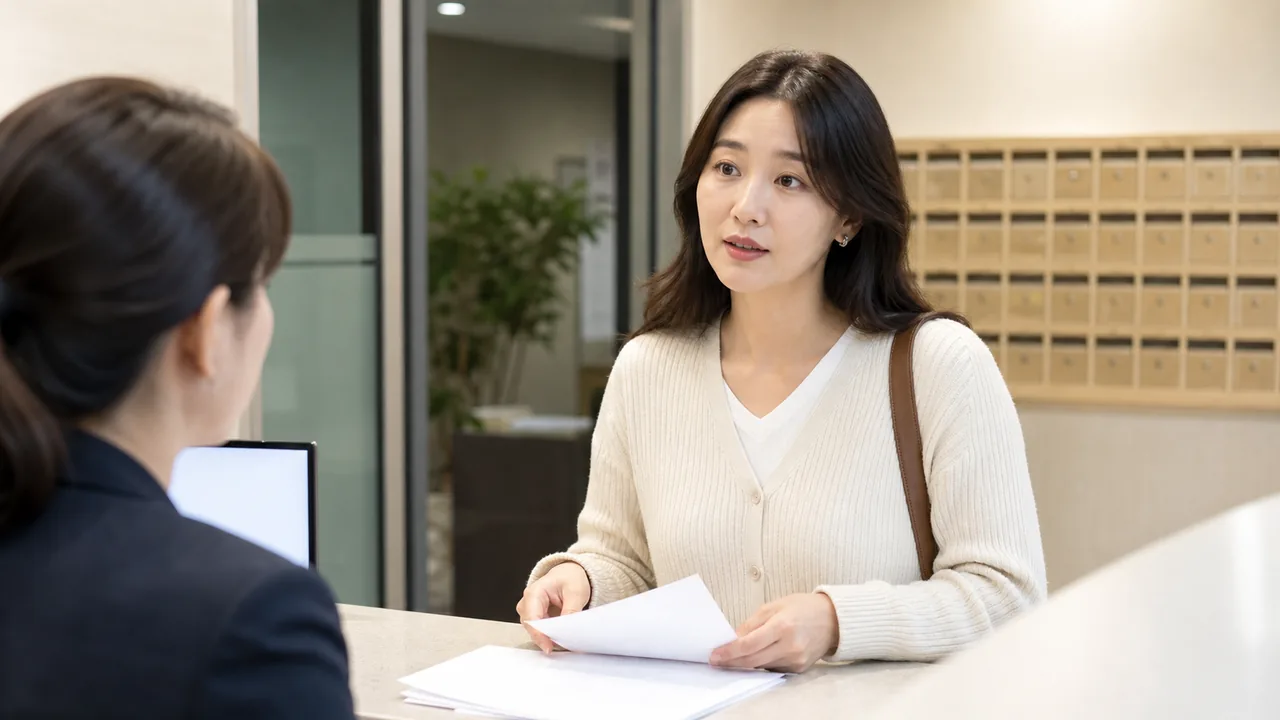
Use this lesson first
If you are not sure what to say, start with one short sentence: 고장 났어요. It means “It is broken” or “It is out of order.” Then add the place: 집에서 고장 났어요, 방에서 고장 났어요, or 아파트에서 고장 났어요. These sentences are simple, but they give the management office enough information to begin helping you.
Do not try to explain every detail at once. First, say the problem. Second, ask where to report it. Third, confirm money and schedule. A calm order helps you avoid mistakes, especially when the office staff speaks quickly.
Key Korean words from the housing vocabulary
| Korean | Romanization | Meaning | Use in a repair request |
|---|---|---|---|
| 집 | jip | home; house | 집에 문제가 있어요. |
| 방 | bang | room; rental unit | 방에서 고장 났어요. |
| 아파트 | apateu | apartment | 아파트 관리사무소에 문의할게요. |
| 원룸 | wonrum | studio apartment | 원룸에서 문제가 생겼어요. |
| 고장 | gojang | breakdown; out of order | 고장 났어요. |
| 관리사무소 | gwalli samuso | management office | 관리사무소에 문의할게요. |
| 관리비 | gwallibi | maintenance fee; management fee | 관리비에 포함되나요? |
| 고지서 | gojiseo | payment notice; bill notice | 고지서를 확인할게요. |
| 공과금 | gonggwageum | utility bills | 공과금과 따로인가요? |
| 납부 기한 | napbu gihan | payment deadline; due date | 납부 기한을 확인할게요. |
At the management office
When you visit the management office, start politely: 안녕하세요. 집에 문제가 있어서 왔어요. Then explain the problem using 고장. If the staff asks where you live, give the apartment, building, or room number slowly. You can say 저는 이 아파트에 살아요 or 원룸에 살아요. If you are not ready to explain in detail, show a photo and say 사진을 보여 드릴게요.
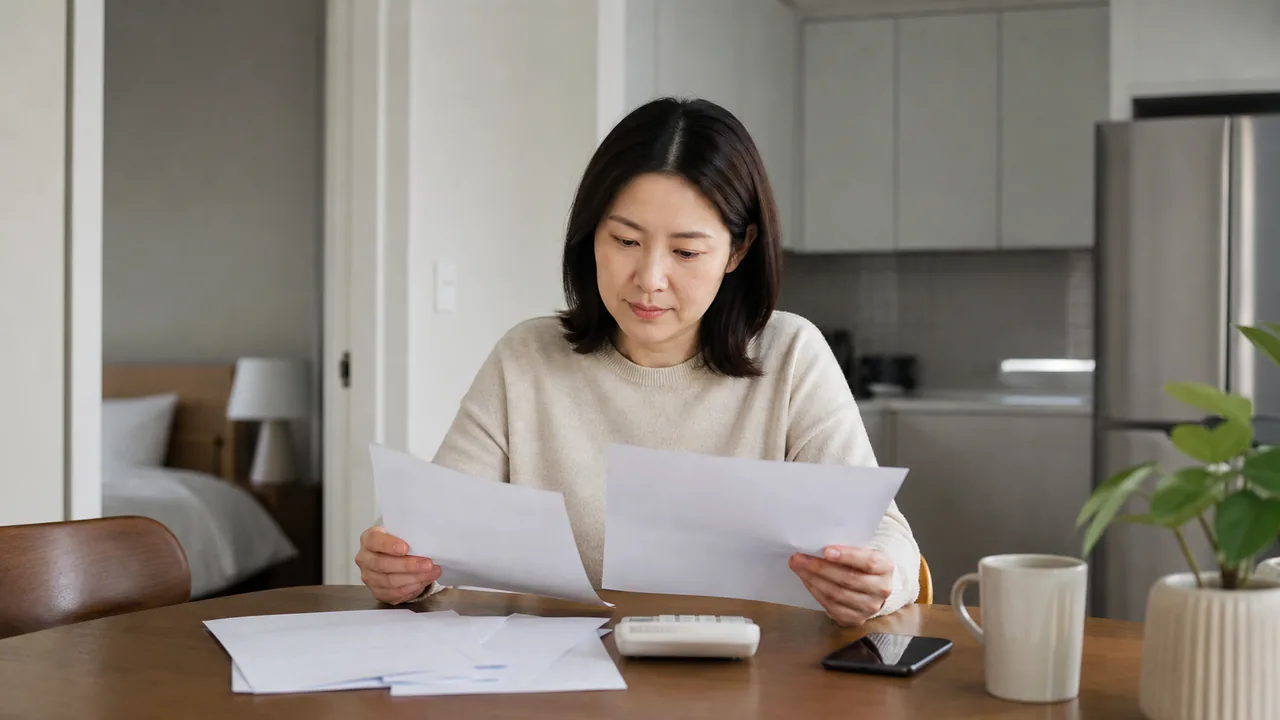
A useful office sentence is 어디에 문의하면 되나요? It means “Where should I ask about this?” This is safe when you are not sure whether the landlord, building office, or service company handles the problem. If they tell you to call another place, write down the name and number before you leave.
Checking fees before a visit
Before someone visits your room, ask whether you must pay. The simplest sentence is 비용이 있나요?, meaning “Is there a cost?” Then connect it to the vocabulary you already know: 관리비에 포함되나요? means “Is it included in the maintenance fee?” If the answer is unclear, ask again: 공과금과 따로인가요? This means “Is it separate from the utility bills?”
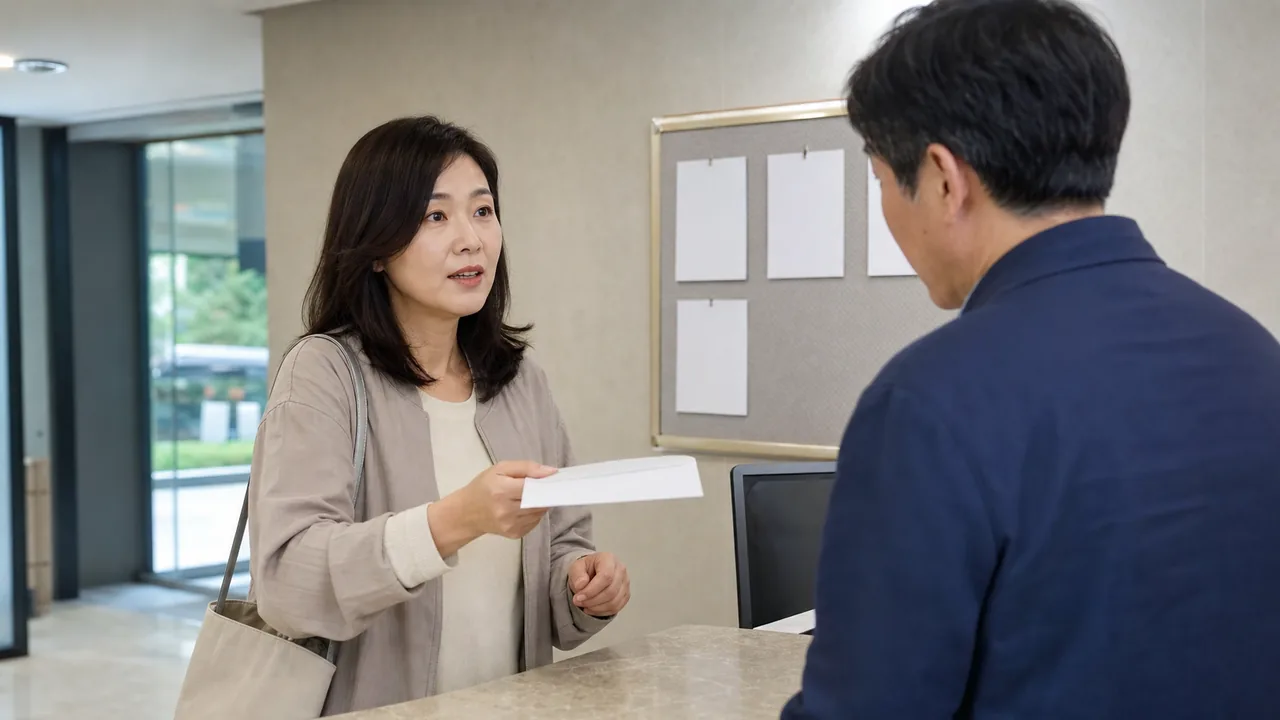
For bills, use 고지서를 확인할게요, meaning “I will check the bill notice.” If there is a deadline, say 납부 기한을 확인할게요. These phrases are useful because repair requests often become money questions: who pays, when to pay, and whether the fee appears on the next bill.
Scheduling the repair visit
After the office understands the problem, confirm the visit time. Say 방문 시간을 알려 주세요, meaning “Please tell me the visit time.” If you work during the day, add 오후가 괜찮아요 or 주말이 괜찮아요. Keep your answer short and repeat the date or time back to the staff. This reduces mistakes.
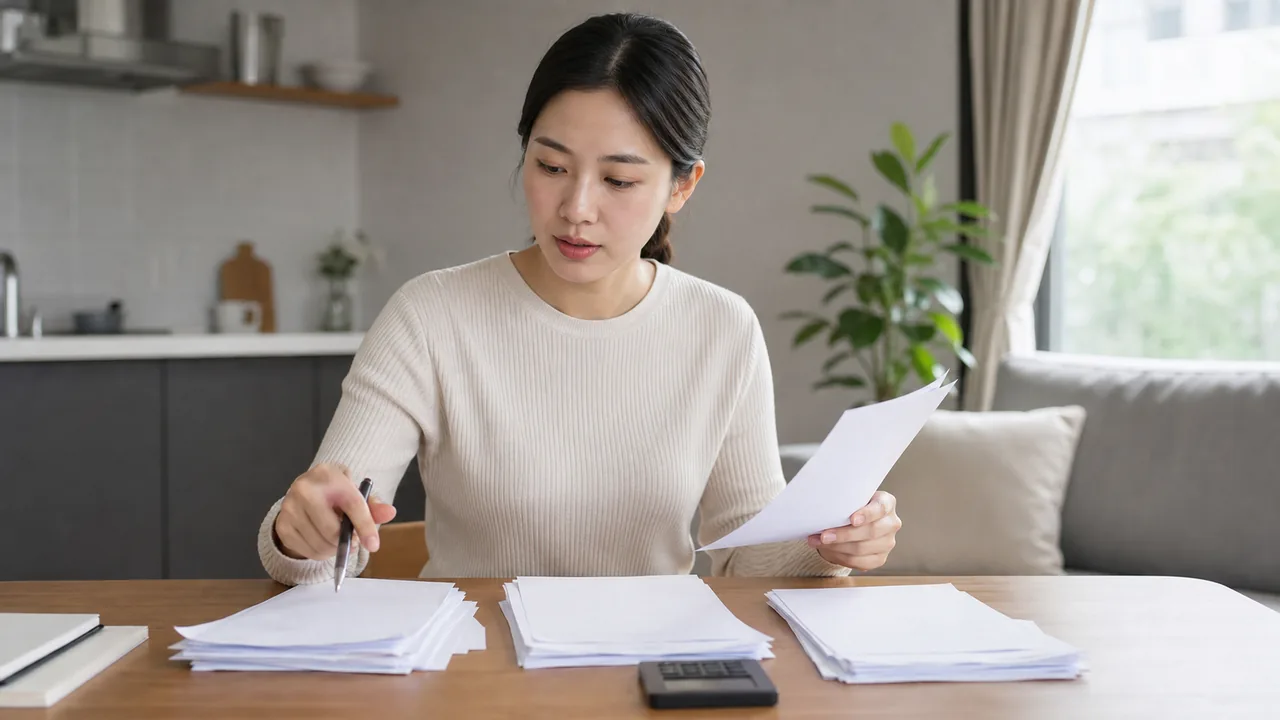
If you need to give access instructions, use simple language. For example: 제가 집에 있을게요 means “I will be at home.” 전화 주세요 means “Please call me.” If you are worried about missing the visit, write the time in your phone and ask for confirmation by message.
Follow-up after the repair
After the repair, check whether the problem is really solved. If everything is okay, say 괜찮습니다. 감사합니다. If the problem remains, say 아직 고장 났어요 or 다시 확인해 주세요. A clear follow-up is important because the first visit may only check the problem, not finish the work.
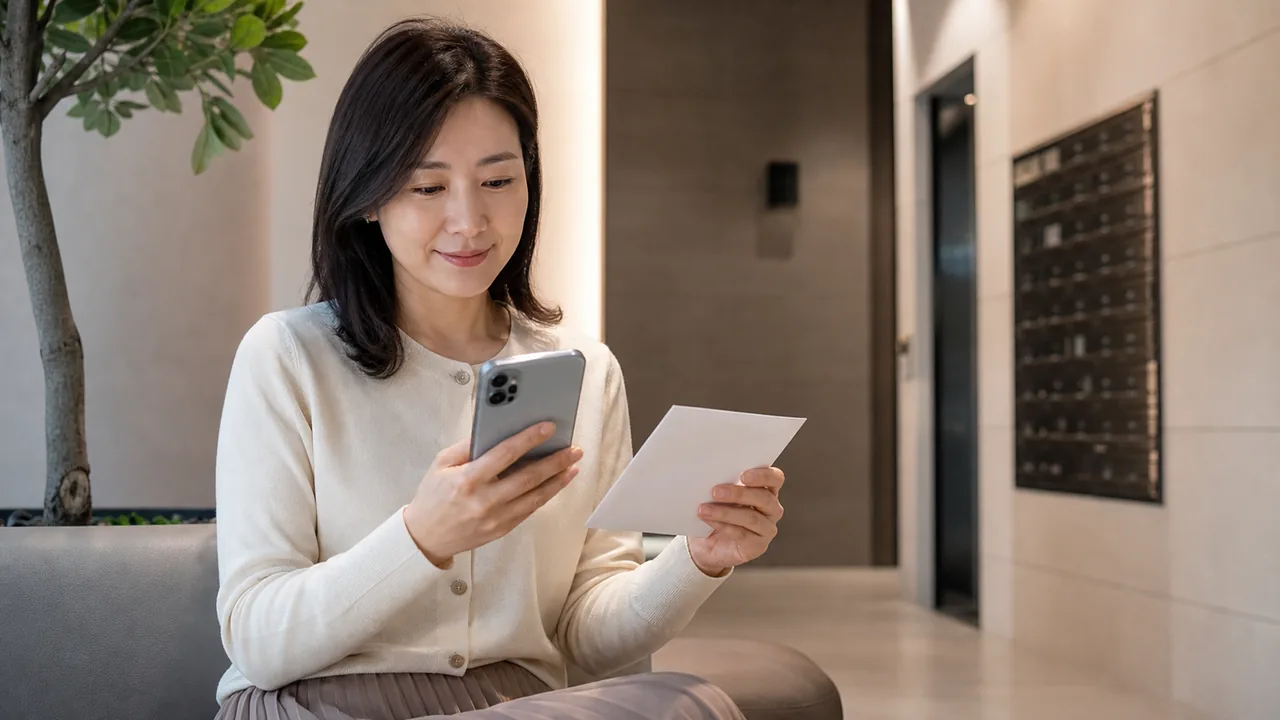
Keep a simple record: date, person you talked to, visit time, cost, and result. If the same problem happens again, this record helps you explain faster. You can say 지난번에도 같은 문제가 있었어요, meaning “The same problem happened last time too.”
Practice script
You: 안녕하세요. 집에 문제가 있어서 왔어요.
Office: 어떤 문제인가요?
You: 방에서 고장 났어요. 사진을 보여 드릴게요.
Office: 방문 확인해 드릴게요.
You: 비용이 있나요? 관리비에 포함되나요?
Office: 확인 후 연락드리겠습니다.
You: 네, 방문 시간을 알려 주세요.
Practice in the BSKorean app
After reading, practice the related housing vocabulary in the BSKorean app. Start with housing words such as 집, 방, 아파트, 원룸, 관리비, 고지서, 공과금, 납부 기한, 관리사무소, and 고장. For related lessons, review Korean apartment management fee words, Korean laundry room words, and Korean mobile phone store words.