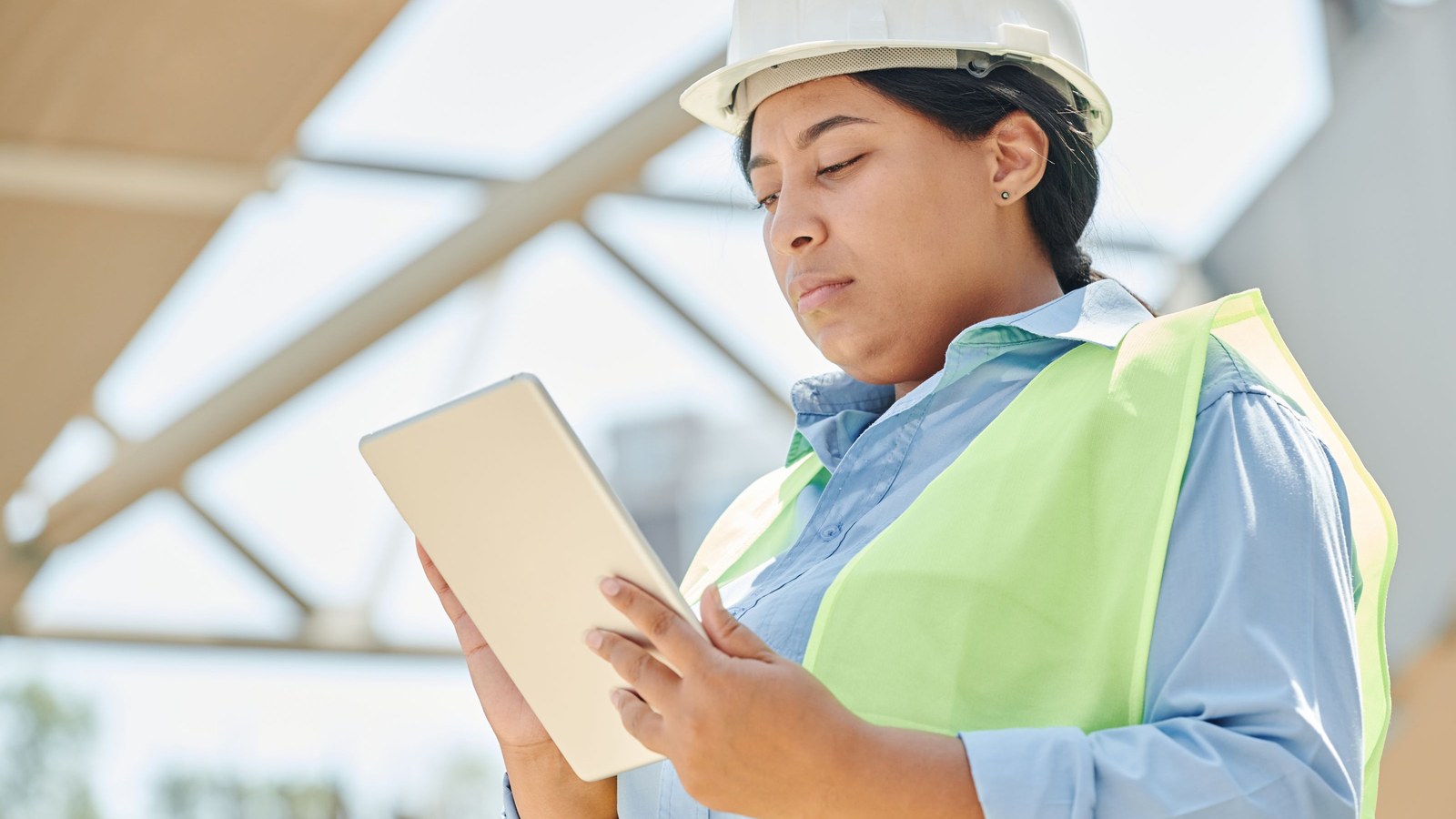
Essential Korean Phrases for Construction Site Safety
Learn practical Korean words and phrases used around construction sites, including safety instructions, tools, warnings, and simple workplace communication.
1. When to use these phrases
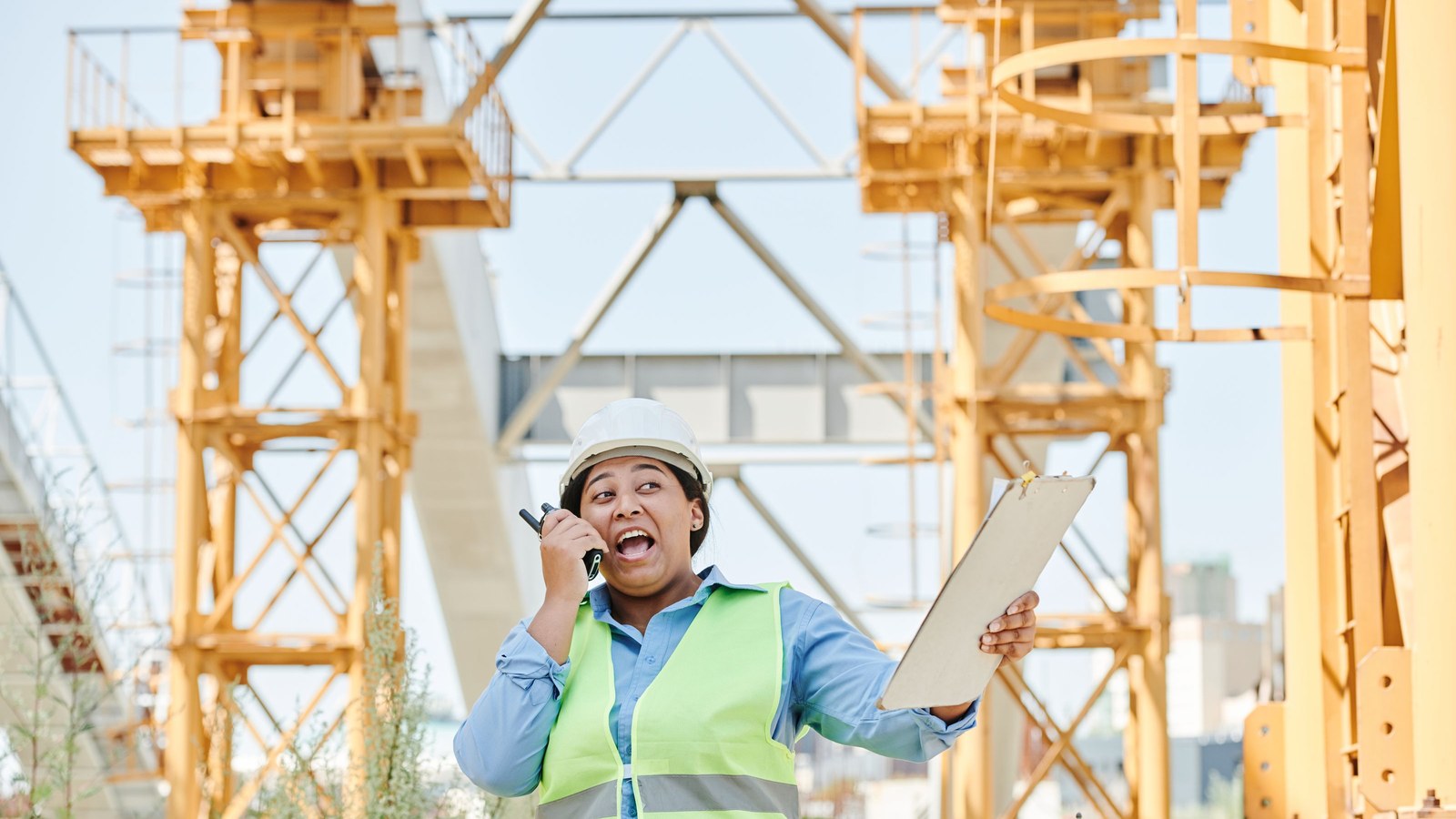
Construction sites are places where clear communication matters. Even a short sentence can prevent confusion, delay, or danger. If you work near construction sites in Korea, visit a job site, deliver materials, or communicate with Korean workers, learning basic construction safety Korean will help you understand instructions more quickly.
This lesson introduces practical Korean words and phrases used around construction sites. The goal is not to make you speak perfect Korean. The goal is to help you recognize important words, understand basic warnings, and respond in simple Korean when needed.
1. Why Construction Korean Is Important
A construction site is different from a normal office or shop. People move quickly, machines are loud, and safety rules must be followed. In this environment, you may hear short Korean commands such as 조심하세요, 들어가지 마세요, or 헬멧을 쓰세요.
These phrases are often simple, but they are important. If you understand them, you can react faster and avoid mistakes. Many signs at Korean construction sites also use short expressions. For example, 출입 금지 means “No entry,” and 안전모 착용 means “Wear a safety helmet.”
If you are a beginner, focus first on safety words, warning signs, tools, and simple action phrases.
2. Key Vocabulary
| Korean | Romanization | Meaning |
|---|---|---|
| 안전 | anjeon | safety |
| 공사장 | gongsajang | construction site |
| 작업장 | jageopjang | work site |
| 안전모 | anjeonmo | safety helmet |
| 조심하다 | josimhada | to be careful |
| 위험하다 | wiheomhada | to be dangerous |
| 출입 금지 | churip geumji | no entry |
| 장갑 | janggap | gloves |
| 사다리 | sadari | ladder |
| 공구 | gonggu | tool |
| 기계 | gigye | machine |
| 소음 | soeum | noise |
| 먼지 | meonji | dust |
| 미끄럽다 | mikkeureopda | to be slippery |
| 확인하다 | hwaginhada | to check |
These words appear often in construction-related conversations and signs. You do not need to memorize everything at once. Start with the words that affect your safety first: 안전, 위험, 조심, 출입 금지, and 안전모.
3. Essential Safety Phrases
| Korean phrase | Romanization | English meaning |
|---|---|---|
| 조심하세요. | josimhaseyo. | Please be careful. |
| 여기는 위험합니다. | yeogineun wiheomhamnida. | This area is dangerous. |
| 들어가지 마세요. | deureogaji maseyo. | Please do not enter. |
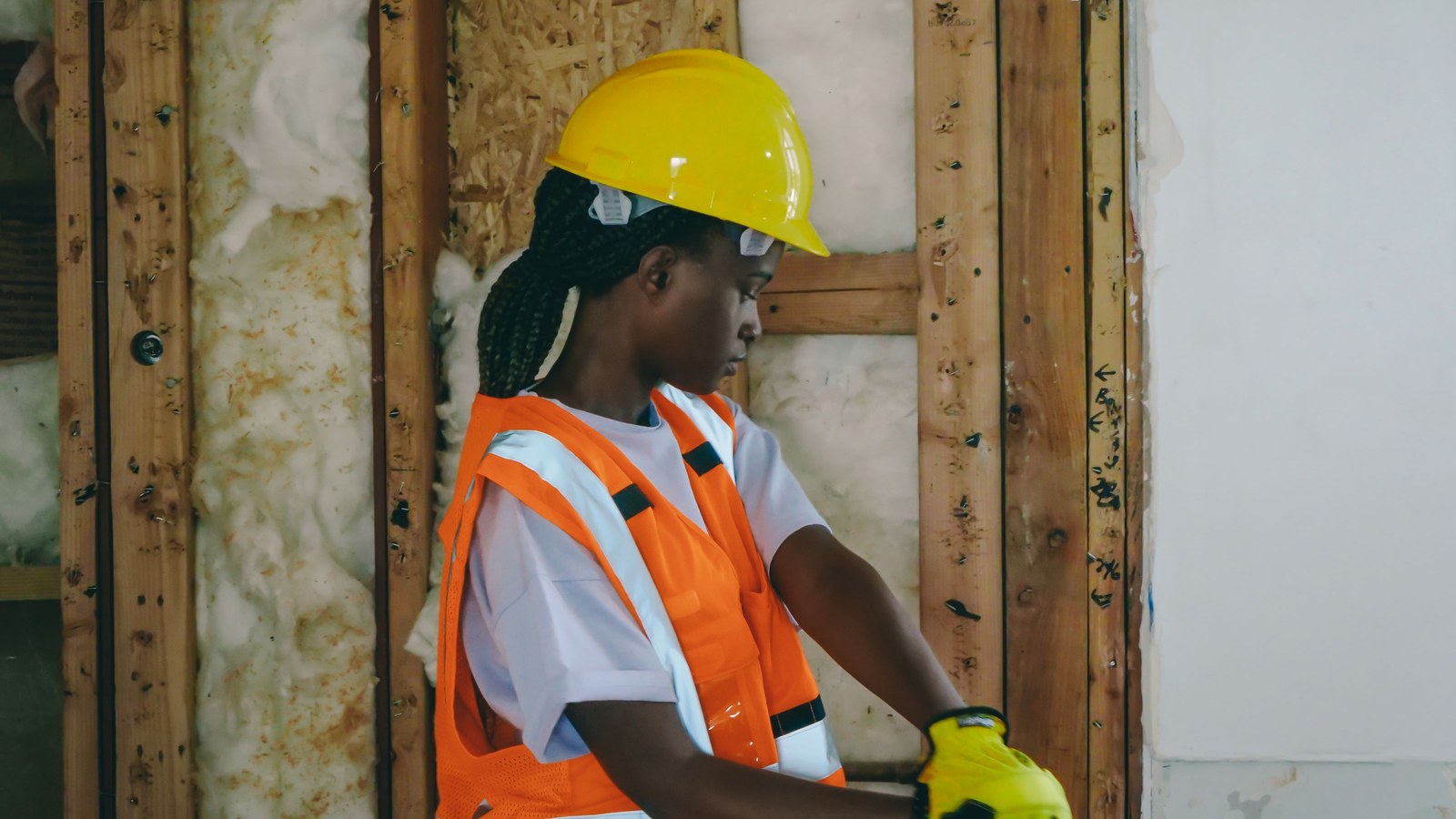
| 안전모를 쓰세요. | anjeonmoreul sseuseyo. | Please wear a safety helmet. |
| 장갑을 끼세요. | janggabeul kkiseyo. | Please wear gloves. |
| 잠시 기다려 주세요. | jamsi gidaryeo juseyo. | Please wait a moment. |
| 확인해 주세요. | hwaginhae juseyo. | Please check it. |
| 문제가 있습니다. | munjega itseumnida. | There is a problem. |
| 다시 말씀해 주세요. | dasi malsseumhae juseyo. | Please say that again. |
| 천천히 말씀해 주세요. | cheoncheonhi malsseumhae juseyo. | Please speak slowly. |
4. Useful Construction Site Signs
- 출입 금지 – No entry
- 안전모 착용 – Wear a safety helmet
- 추락 주의 – Watch out for falling
- 낙하물 주의 – Watch out for falling objects
- 미끄럼 주의 – Slippery floor
- 공사 중 – Under construction
- 위험 – Danger
- 관계자 외 출입 금지 – Authorized personnel only
These signs are often short because they are designed to be read quickly. If you remember only a few, remember 위험, 출입 금지, and 안전모 착용.
5. Example Conversation
A: 여기는 위험합니다. 들어가지 마세요.
This area is dangerous. Please do not enter.
B: 죄송합니다. 어디로 가야 하나요?
Sorry. Where should I go?
A: 저쪽으로 가세요. 안전모를 쓰세요.
Please go that way. Wear a safety helmet.
B: 네, 알겠습니다.
Yes, I understand.
This conversation is simple, but it shows a common situation. Someone tries to enter the wrong area, and a worker gives a safety instruction.
6. Polite Responses You Can Use
- 네, 알겠습니다. Yes, I understand.
- 죄송합니다. I’m sorry.
- 확인했습니다. I checked it.
- 잠시만요. One moment, please.
- 다시 말씀해 주세요. Please say that again.
These responses are short and safe to use. In workplace situations, it is better to speak simply and clearly.
7. Common Mistake
A common mistake is translating English directly into Korean. For example, English speakers may want to say “I wear helmet” word by word. But in Korean, you should say 안전모를 씁니다, meaning “I wear a safety helmet.” As an instruction, say 안전모를 쓰세요, meaning “Please wear a safety helmet.”
For gloves, Korean uses a different verb: 장갑을 낍니다 for “I wear gloves,” and 장갑을 끼세요 for “Please wear gloves.” This difference is important because Korean often uses different verbs depending on what part of the body the item is worn on.
8. Quick Practice
Question 1: What does “출입 금지” mean?
- Wear gloves
- No entry
- Speak slowly
- Check the machine
Correct answer: No entry.
Question 2: What does “조심하세요” mean?
- Please be careful
- Please wait
- Please come here
- Please write it down
Correct answer: Please be careful.
9. Final Review
Construction Korean is practical Korean. You may not need long sentences at first. Instead, focus on short words and phrases that appear in real situations.
Start with these five: 조심하세요, 들어가지 마세요, 안전모를 쓰세요, 확인해 주세요, and 문제가 있습니다.
If you can understand and use these phrases, you will feel more confident around Korean construction sites. You will also be able to respond more safely when someone gives you an instruction.
Practice this lesson in the BSKorean app
Review the key words, listen to pronunciation, and remember the phrases through short quizzes.
2. Key vocabulary
safety
Beginnerconstruction site
Beginnerwork site
Beginnersafety helmet
Beginnerto be careful
Beginner3. Essential phrases
Practice this lesson in the app
Review these words with multiple-choice questions and weak-Learn Korean.
Practice this lesson →
답글 남기기
Please sign in with Google to comment. Sign in with Google