Tiếng Hàn ở nhà thuốc: hỏi và hiểu cách dùng thuốc
10 ph
Hãy hỏi cách dùng thuốc bằng tiếng Hàn đơn giản trước khi rời quầy.
Bài này gồm những gì
Cuộc nói chuyện ở nhà thuốc thường ngắn, nhưng thông tin có thể rất quan trọng: uống mấy lần một ngày, mỗi lần mấy viên, trước hay sau bữa ăn, trong mấy ngày, và cần nhớ cảnh báo nào. Đây là bài học ngôn ngữ, không phải lời khuyên y tế.
Thứ tự nói an toàn là: nói rằng bạn chưa hiểu, hỏi một câu hẹp, nhắc lại câu trả lời bằng lời của mình, rồi nhờ dược sĩ xác nhận. Bạn không cần ngữ pháp khó; bạn cần các từ ngắn về thời gian, số lượng và lưu ý.
Không luyện tập bằng số bệnh nhân thật, lịch sử bệnh cá nhân, chi tiết đơn thuốc, hoặc tên thuốc của người khác. Hãy dùng ví dụ giả định và với thuốc thật thì làm theo dược sĩ, bác sĩ và nhãn chính thức.
Bản đồ cuộc nói chuyện ở nhà thuốc
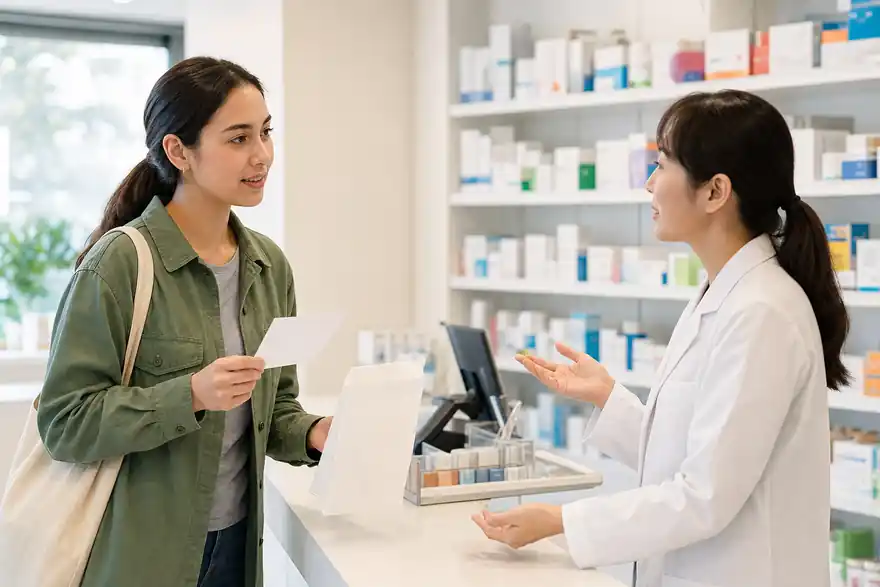
Tại quầy, bạn có thể đưa đơn thuốc hoặc hỏi về thuốc không kê đơn. Dược sĩ có thể giải thích nhanh khi chỉ vào túi thuốc hoặc nhãn. Hãy nghe năm điểm neo: số lần, số lượng, thời điểm bữa ăn, thời gian dùng và cảnh báo.
Số lần trả lời câu hỏi 하루에 몇 번. Số lượng trả lời 한 번에 몇 알. Thời điểm bữa ăn dùng 식전, 식후, 공복, 잠자기 전. Thời gian dùng dùng 며칠 동안.
Nếu chỉ thiếu một phần, đừng hỏi quá rộng. Hãy hỏi đúng phần thiếu: 식전이에요, 식후예요? hoặc 하루에 몇 번이에요?. Câu hỏi hẹp giúp câu trả lời rõ hơn.
Từ vựng trong bài là ví dụ học ngôn ngữ. Chỉ dẫn thật có thể khác theo thuốc và từng người, vì vậy hãy luôn xác nhận với dược sĩ.
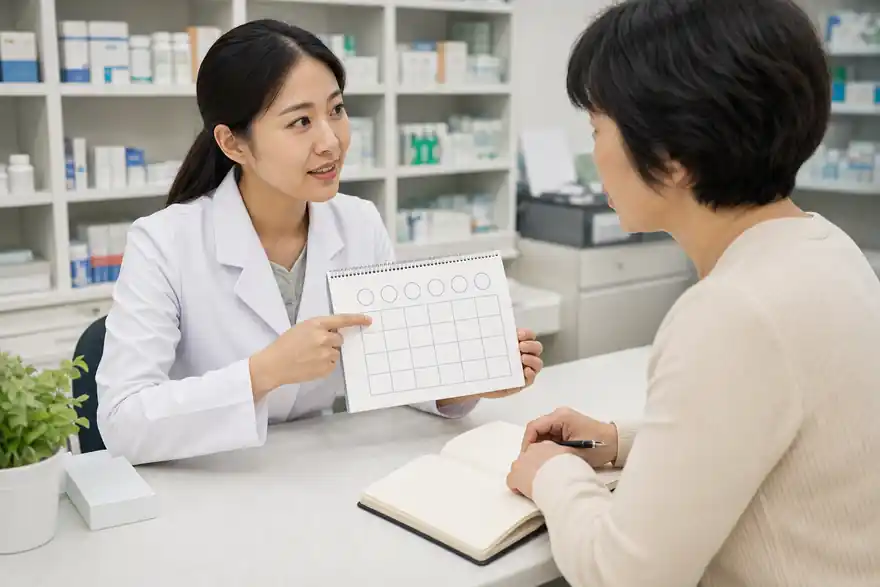
Hãy nghe số lần, số lượng, thời điểm bữa ăn, thời gian dùng và lưu ý đặc biệt.
Từ vựng cốt lõi ở nhà thuốc
Tiếng Hàn
Phát âm
Nghĩa
Ghi chú luyện tập
약국
yakguk
nhà thuốc
Tạo một câu ví dụ an toàn với từ này; không dùng đơn thuốc thật hay dữ liệu bệnh nhân.
약사
yaksa
dược sĩ
Tạo một câu ví dụ an toàn với từ này; không dùng đơn thuốc thật hay dữ liệu bệnh nhân.
처방전
cheobangjeon
đơn thuốc
Tạo một câu ví dụ an toàn với từ này; không dùng đơn thuốc thật hay dữ liệu bệnh nhân.
약
yak
thuốc
Tạo một câu ví dụ an toàn với từ này; không dùng đơn thuốc thật hay dữ liệu bệnh nhân.
복용
bogyong
dùng thuốc
Tạo một câu ví dụ an toàn với từ này; không dùng đơn thuốc thật hay dữ liệu bệnh nhân.
복용법
bogyongbeop
cách dùng thuốc
Tạo một câu ví dụ an toàn với từ này; không dùng đơn thuốc thật hay dữ liệu bệnh nhân.
용량
yongnyang
liều lượng
Tạo một câu ví dụ an toàn với từ này; không dùng đơn thuốc thật hay dữ liệu bệnh nhân.
횟수
hoet-su
số lần
Tạo một câu ví dụ an toàn với từ này; không dùng đơn thuốc thật hay dữ liệu bệnh nhân.
하루
haru
một ngày
Tạo một câu ví dụ an toàn với từ này; không dùng đơn thuốc thật hay dữ liệu bệnh nhân.
하루에 한 번
harue han beon
mỗi ngày một lần
Tạo một câu ví dụ an toàn với từ này; không dùng đơn thuốc thật hay dữ liệu bệnh nhân.
하루에 두 번
harue du beon
mỗi ngày hai lần
Tạo một câu ví dụ an toàn với từ này; không dùng đơn thuốc thật hay dữ liệu bệnh nhân.
하루에 세 번
harue se beon
mỗi ngày ba lần
Tạo một câu ví dụ an toàn với từ này; không dùng đơn thuốc thật hay dữ liệu bệnh nhân.
아침
achim
buổi sáng
Tạo một câu ví dụ an toàn với từ này; không dùng đơn thuốc thật hay dữ liệu bệnh nhân.
점심
jeomsim
buổi trưa
Tạo một câu ví dụ an toàn với từ này; không dùng đơn thuốc thật hay dữ liệu bệnh nhân.
저녁
jeonyeok
buổi tối
Tạo một câu ví dụ an toàn với từ này; không dùng đơn thuốc thật hay dữ liệu bệnh nhân.
식전
sikjeon
trước bữa ăn
Tạo một câu ví dụ an toàn với từ này; không dùng đơn thuốc thật hay dữ liệu bệnh nhân.
식후
sikhu
sau bữa ăn
Tạo một câu ví dụ an toàn với từ này; không dùng đơn thuốc thật hay dữ liệu bệnh nhân.
공복
gongbok
lúc bụng đói
Tạo một câu ví dụ an toàn với từ này; không dùng đơn thuốc thật hay dữ liệu bệnh nhân.
잠자기 전
jamjagi jeon
trước khi ngủ
Tạo một câu ví dụ an toàn với từ này; không dùng đơn thuốc thật hay dữ liệu bệnh nhân.
한 알
han al
một viên
Tạo một câu ví dụ an toàn với từ này; không dùng đơn thuốc thật hay dữ liệu bệnh nhân.
두 알
du al
hai viên
Tạo một câu ví dụ an toàn với từ này; không dùng đơn thuốc thật hay dữ liệu bệnh nhân.
정
jeong
viên nén
Tạo một câu ví dụ an toàn với từ này; không dùng đơn thuốc thật hay dữ liệu bệnh nhân.
캡슐
kaepsyul
viên nang
Tạo một câu ví dụ an toàn với từ này; không dùng đơn thuốc thật hay dữ liệu bệnh nhân.
시럽
sireop
siro
Tạo một câu ví dụ an toàn với từ này; không dùng đơn thuốc thật hay dữ liệu bệnh nhân.
연고
yeongo
thuốc mỡ
Tạo một câu ví dụ an toàn với từ này; không dùng đơn thuốc thật hay dữ liệu bệnh nhân.
안약
anyak
thuốc nhỏ mắt
Tạo một câu ví dụ an toàn với từ này; không dùng đơn thuốc thật hay dữ liệu bệnh nhân.
감기약
gamgiyak
thuốc cảm
Tạo một câu ví dụ an toàn với từ này; không dùng đơn thuốc thật hay dữ liệu bệnh nhân.
진통제
jintongje
thuốc giảm đau
Tạo một câu ví dụ an toàn với từ này; không dùng đơn thuốc thật hay dữ liệu bệnh nhân.
소화제
sohwaje
thuốc tiêu hóa
Tạo một câu ví dụ an toàn với từ này; không dùng đơn thuốc thật hay dữ liệu bệnh nhân.
알레르기
allereugi
dị ứng
Tạo một câu ví dụ an toàn với từ này; không dùng đơn thuốc thật hay dữ liệu bệnh nhân.
부작용
bujagyong
tác dụng phụ
Tạo một câu ví dụ an toàn với từ này; không dùng đơn thuốc thật hay dữ liệu bệnh nhân.
주의사항
juui sahang
lưu ý
Tạo một câu ví dụ an toàn với từ này; không dùng đơn thuốc thật hay dữ liệu bệnh nhân.
보관
bogwan
bảo quản
Tạo một câu ví dụ an toàn với từ này; không dùng đơn thuốc thật hay dữ liệu bệnh nhân.
냉장 보관
naengjang bogwan
bảo quản lạnh
Tạo một câu ví dụ an toàn với từ này; không dùng đơn thuốc thật hay dữ liệu bệnh nhân.
물과 함께
mulgwa hamkke
với nước
Tạo một câu ví dụ an toàn với từ này; không dùng đơn thuốc thật hay dữ liệu bệnh nhân.
씹지 마세요
ssipji maseyo
không nhai
Tạo một câu ví dụ an toàn với từ này; không dùng đơn thuốc thật hay dữ liệu bệnh nhân.
졸릴 수 있어요
jollil su isseoyo
có thể gây buồn ngủ
Tạo một câu ví dụ an toàn với từ này; không dùng đơn thuốc thật hay dữ liệu bệnh nhân.
운전
unjeon
lái xe
Tạo một câu ví dụ an toàn với từ này; không dùng đơn thuốc thật hay dữ liệu bệnh nhân.
같이 먹어도 돼요?
gachi meogeodo dwaeyo?
uống cùng được không
Tạo một câu ví dụ an toàn với từ này; không dùng đơn thuốc thật hay dữ liệu bệnh nhân.
다시 말해 주세요
dasi malhae juseyo
vui lòng nói lại
Tạo một câu ví dụ an toàn với từ này; không dùng đơn thuốc thật hay dữ liệu bệnh nhân.
천천히 말해 주세요
cheoncheonhi malhae juseyo
vui lòng nói chậm
Tạo một câu ví dụ an toàn với từ này; không dùng đơn thuốc thật hay dữ liệu bệnh nhân.
써 주세요
sseo juseyo
vui lòng viết ra
Tạo một câu ví dụ an toàn với từ này; không dùng đơn thuốc thật hay dữ liệu bệnh nhân.
확인해 주세요
hwaginhae juseyo
vui lòng xác nhận
Tạo một câu ví dụ an toàn với từ này; không dùng đơn thuốc thật hay dữ liệu bệnh nhân.
약 봉투
yak bongtu
túi thuốc
Tạo một câu ví dụ an toàn với từ này; không dùng đơn thuốc thật hay dữ liệu bệnh nhân.
라벨
label
nhãn
Tạo một câu ví dụ an toàn với từ này; không dùng đơn thuốc thật hay dữ liệu bệnh nhân.
기간
gigan
thời gian
Tạo một câu ví dụ an toàn với từ này; không dùng đơn thuốc thật hay dữ liệu bệnh nhân.
과다 복용
gwada bogyong
quá liều
Tạo một câu ví dụ an toàn với từ này; không dùng đơn thuốc thật hay dữ liệu bệnh nhân.
Ngữ pháp liều dùng làm thay đổi ý nghĩa
하루에 nghĩa là “trong một ngày.” Đặt số lần phía sau: 하루에 한 번, 하루에 두 번, 하루에 세 번.
한 번에 nghĩa là “mỗi lần.” Nó khác với 하루에. 하루에 두 번 là tần suất; 한 번에 두 알 là số viên.
식전 và 식후 ngắn nhưng quan trọng. Nếu không chắc, hỏi ngay: 식전이에요, 식후예요?
며칠 동안 hỏi khoảng thời gian. Nếu nghe số ngày, hãy nhắc lại với 맞아요?.
아플 때만 nghĩa là “chỉ khi đau.” Cụm này giúp phân biệt uống theo lịch đều đặn và uống khi cần.
Đọc túi thuốc mà không đoán
Túi thuốc hoặc nhãn có thể cho gợi ý, nhưng người học không nên tự diễn giải tất cả. Hãy dùng túi thuốc như danh sách câu hỏi.
Kiểm tra xem chỉ dẫn là lịch cố định như sáng và tối, hay điều kiện như chỉ khi đau. Hai kiểu này rất khác nhau trong tiếng Hàn.
Nếu dược sĩ viết cho bạn, hãy đọc lại. Câu 제가 맞게 이해했는지 확인해 주세요 lịch sự và giúp dược sĩ sửa ngay phần sai.
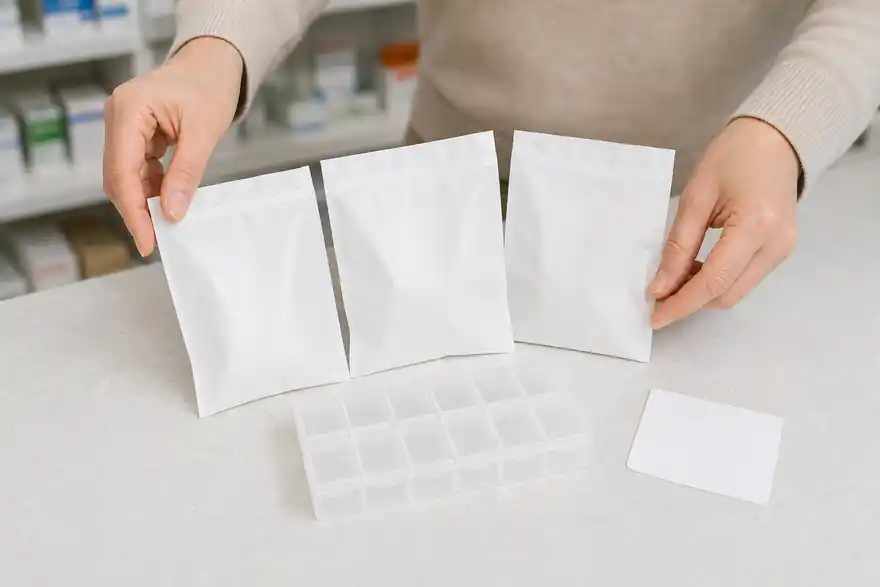
Túi thuốc thường có gợi ý, nhưng bạn vẫn nên xác nhận ý nghĩa.
Cụm câu hữu ích ở nhà thuốc
Câu tiếng Hàn
Nghĩa
Cách dùng
이 약은 어떻게 먹어요?
Thuốc này dùng như thế nào?
Dùng nguyên câu, sau đó nghe câu trả lời của dược sĩ và xác nhận từ khóa.
하루에 몇 번 먹어요?
Một ngày uống mấy lần?
Dùng nguyên câu, sau đó nghe câu trả lời của dược sĩ và xác nhận từ khóa.
한 번에 몇 알 먹어요?
Mỗi lần uống mấy viên?
Dùng nguyên câu, sau đó nghe câu trả lời của dược sĩ và xác nhận từ khóa.
식전이에요, 식후예요?
Trước ăn hay sau ăn?
Dùng nguyên câu, sau đó nghe câu trả lời của dược sĩ và xác nhận từ khóa.
며칠 동안 먹어요?
Uống trong mấy ngày?
Dùng nguyên câu, sau đó nghe câu trả lời của dược sĩ và xác nhận từ khóa.
물과 함께 먹으면 돼요?
Uống với nước được không?
Dùng nguyên câu, sau đó nghe câu trả lời của dược sĩ và xác nhận từ khóa.
다른 약이랑 같이 먹어도 돼요?
Uống cùng thuốc khác được không?
Dùng nguyên câu, sau đó nghe câu trả lời của dược sĩ và xác nhận từ khóa.
알레르기가 있어요.
Tôi bị dị ứng.
Dùng nguyên câu, sau đó nghe câu trả lời của dược sĩ và xác nhận từ khóa.
부작용이 있어요?
Có tác dụng phụ không?
Dùng nguyên câu, sau đó nghe câu trả lời của dược sĩ và xác nhận từ khóa.
졸릴 수 있어요?
Thuốc này có gây buồn ngủ không?
Dùng nguyên câu, sau đó nghe câu trả lời của dược sĩ và xác nhận từ khóa.
운전해도 돼요?
Tôi lái xe được không?
Dùng nguyên câu, sau đó nghe câu trả lời của dược sĩ và xác nhận từ khóa.
냉장 보관해야 해요?
Có cần bảo quản lạnh không?
Dùng nguyên câu, sau đó nghe câu trả lời của dược sĩ và xác nhận từ khóa.
까먹으면 어떻게 해요?
Nếu quên một liều thì làm sao?
Dùng nguyên câu, sau đó nghe câu trả lời của dược sĩ và xác nhận từ khóa.
술 마셔도 돼요?
Có uống rượu được không?
Dùng nguyên câu, sau đó nghe câu trả lời của dược sĩ và xác nhận từ khóa.
임신 중이에요.
Tôi đang mang thai.
Dùng nguyên câu, sau đó nghe câu trả lời của dược sĩ và xác nhận từ khóa.
수유 중이에요.
Tôi đang cho con bú.
Dùng nguyên câu, sau đó nghe câu trả lời của dược sĩ và xác nhận từ khóa.
이 말이 무슨 뜻이에요?
Từ này nghĩa là gì?
Dùng nguyên câu, sau đó nghe câu trả lời của dược sĩ và xác nhận từ khóa.
다시 한 번 말해 주세요.
Vui lòng nói lại một lần nữa.
Dùng nguyên câu, sau đó nghe câu trả lời của dược sĩ và xác nhận từ khóa.
천천히 말해 주세요.
Vui lòng nói chậm hơn.
Dùng nguyên câu, sau đó nghe câu trả lời của dược sĩ và xác nhận từ khóa.
종이에 써 주세요.
Vui lòng viết ra giấy.
Dùng nguyên câu, sau đó nghe câu trả lời của dược sĩ và xác nhận từ khóa.
제가 맞게 이해했는지 확인해 주세요.
Vui lòng kiểm tra xem tôi hiểu đúng không.
Dùng nguyên câu, sau đó nghe câu trả lời của dược sĩ và xác nhận từ khóa.
아침, 점심, 저녁에 먹으면 돼요?
Uống sáng, trưa, tối đúng không?
Dùng nguyên câu, sau đó nghe câu trả lời của dược sĩ và xác nhận từ khóa.
아플 때만 먹어요?
Chỉ uống khi đau thôi phải không?
Dùng nguyên câu, sau đó nghe câu trả lời của dược sĩ và xác nhận từ khóa.
계속 먹어야 해요?
Có cần uống tiếp tục không?
Dùng nguyên câu, sau đó nghe câu trả lời của dược sĩ và xác nhận từ khóa.
Bốn hội thoại thực hành
Các hội thoại dưới đây là kịch bản luyện tập. Hãy dùng ví dụ giả định trong lớp, và với thuốc thật hãy hỏi dược sĩ trực tiếp.
Nhận thuốc theo đơn
손님
처방전 여기 있어요.
Đây là đơn thuốc của tôi.
약사
이 약은 하루에 두 번, 식후에 한 알 드세요.
Thuốc này uống ngày hai lần, sau ăn, mỗi lần một viên.
손님
하루에 두 번, 식후에 한 알, 맞아요?
Ngày hai lần, sau ăn một viên, đúng không?
Trước hay sau bữa ăn
손님
식전이에요, 식후예요?
Trước ăn hay sau ăn?
약사
식후에 드세요. 속이 불편하면 다시 문의해 주세요.
Uống sau ăn. Nếu bụng khó chịu, hãy hỏi lại.
손님
네, 식후에 먹을게요.
Vâng, tôi sẽ uống sau ăn.
Tác dụng phụ và lái xe
손님
이 약은 졸릴 수 있어요?
Thuốc này có gây buồn ngủ không?
약사
네, 졸릴 수 있어요. 운전은 조심하세요.
Có, có thể. Hãy cẩn thận khi lái xe.
손님
주의사항을 종이에 써 주세요.
Vui lòng viết lưu ý ra giấy.
Thuốc khác và dị ứng
손님
다른 약이랑 같이 먹어도 돼요?
Uống cùng thuốc khác được không?
손님
알레르기가 있어요.
Tôi bị dị ứng.
약사
어떤 약을 드시고 있는지 알려 주세요.
Vui lòng cho biết bạn đang dùng thuốc gì.
Hỏi lại là bình thường. Một câu hỏi rõ ràng an toàn hơn việc đoán lịch dùng.
Khi bạn không hiểu
Trước tiên, dừng cuộc nói chuyện lịch sự bằng 잠깐만요 hoặc 죄송하지만 다시 말해 주세요. Điều này an toàn hơn gật đầu khi chưa chắc.
Thứ hai, chọn một mục bị thiếu: số lần, số lượng, thời điểm bữa ăn, thời gian dùng, cảnh báo hoặc bảo quản. Chỉ hỏi mục đó.
Thứ ba, nhắc lại câu trả lời bằng câu tiếng Hàn ngắn: 하루에 두 번, 식후에 한 알, 맞아요?
Thứ tư, nếu cần hãy nhờ viết ra: 종이에 써 주세요. Điều này hữu ích khi bạn mệt hoặc có nhiều thuốc.
Cuối cùng, nếu có dị ứng, mang thai, cho con bú, thuốc khác, rượu hoặc lái xe, hãy nói trực tiếp và để dược sĩ giải thích.
Lộ trình luyện tập
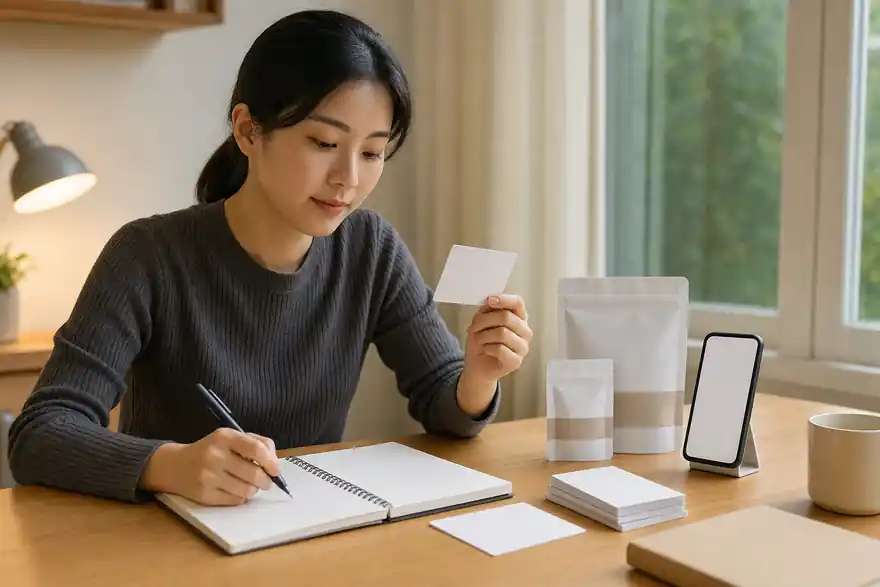
Dùng lộ trình này để bài học không chỉ là học thuộc. Đọc câu tiếng Hàn, che phần dịch, nói nghĩa, rồi hỏi câu xác nhận thành tiếng.
Câu tiếng Hàn
Nghĩa
Cách dùng
하루에 한 번 먹어요.
once a day
Nói câu tiếng Hàn, rồi hỏi: 맞아요?
하루에 두 번 먹어요.
twice a day
Nói câu tiếng Hàn, rồi hỏi: 맞아요?
하루에 세 번 먹어요.
three times a day
Nói câu tiếng Hàn, rồi hỏi: 맞아요?
한 번에 한 알 먹어요.
one pill at a time
Nói câu tiếng Hàn, rồi hỏi: 맞아요?
한 번에 두 알 먹어요.
two pills at a time
Nói câu tiếng Hàn, rồi hỏi: 맞아요?
식전에 먹어요.
before meals
Nói câu tiếng Hàn, rồi hỏi: 맞아요?
식후에 먹어요.
after meals
Nói câu tiếng Hàn, rồi hỏi: 맞아요?
공복에 먹어요.
on an empty stomach
Nói câu tiếng Hàn, rồi hỏi: 맞아요?
잠자기 전에 먹어요.
before bedtime
Nói câu tiếng Hàn, rồi hỏi: 맞아요?
며칠 동안 먹어요?
for how many days
Nói câu tiếng Hàn, rồi hỏi: 맞아요?
부작용이 있어요?
are there side effects
Nói câu tiếng Hàn, rồi hỏi: 맞아요?
냉장 보관해야 해요?
keep refrigerated
Nói câu tiếng Hàn, rồi hỏi: 맞아요?
졸릴 수 있어요?
may cause sleepiness
Nói câu tiếng Hàn, rồi hỏi: 맞아요?
다른 약이랑 같이 먹어도 돼요?
take with other medicine
Nói câu tiếng Hàn, rồi hỏi: 맞아요?
제가 맞게 이해했는지 확인해 주세요.
please check my understanding
Nói câu tiếng Hàn, rồi hỏi: 맞아요?
Hãy luyện bằng ví dụ giả định, không dùng số bệnh nhân hay chi tiết đơn thuốc thật.
Ranh giới an toàn cuối cùng
Bài viết này dạy giao tiếp tiếng Hàn, không dạy chẩn đoán, chọn liều hay điều trị. Với thuốc thật, hãy theo dược sĩ, bác sĩ, nhãn chính thức và hướng dẫn khẩn cấp địa phương.
Người học tốt không giả vờ hiểu. Người học tốt hỏi lại, ghi từ khóa và kiểm tra lịch dùng trước khi rời nhà thuốc.
Mục tiêu là: trước khi rời nhà thuốc, bạn nói lại được số lần, số lượng, thời điểm bữa ăn, thời gian dùng và một cảnh báo bằng lời của mình.
Bahasa Korea di Apotek untuk Menanyakan dan Memahami Aturan Minum Obat
10 menit baca
Mulailah dengan menanyakan aturan minum obat dalam bahasa Korea sederhana sebelum meninggalkan loket.
Isi Pelajaran Ini
Percakapan di apotek biasanya singkat, tetapi informasinya bisa penting: berapa kali minum obat, berapa tablet, sebelum atau sesudah makan, berapa hari, dan peringatan apa yang harus diingat. Ini pelajaran bahasa, bukan nasihat medis.
Urutan bicara yang aman adalah: katakan bahwa Anda belum paham, tanyakan satu hal yang sempit, ulangi jawaban dengan kata Anda sendiri, lalu minta apoteker mengonfirmasi. Anda tidak perlu tata bahasa rumit; Anda perlu kata kecil yang mengatur waktu, jumlah, dan kehati-hatian.
Jangan berlatih dengan nomor pasien asli, riwayat kesehatan pribadi, detail resep, atau nama obat orang lain. Pakai contoh buatan dan ikuti apoteker, dokter, serta label resmi untuk obat sungguhan.
Peta Percakapan di Apotek
Di loket, Anda bisa menyerahkan resep atau bertanya tentang obat bebas. Apoteker bisa menjelaskan dengan cepat sambil menunjuk kantong obat atau label. Dengarkan lima jangkar: frekuensi, jumlah, waktu makan, durasi, dan peringatan.
Frekuensi menjawab 하루에 몇 번, yaitu berapa kali sehari. Jumlah menjawab 한 번에 몇 알, yaitu berapa tablet sekali minum. Waktu makan memakai 식전, 식후, 공복, dan 잠자기 전. Durasi memakai 며칠 동안.
Jika hanya satu bagian yang terlewat, jangan bertanya terlalu besar. Tanyakan bagian itu saja: 식전이에요, 식후예요? atau 하루에 몇 번이에요? Pertanyaan sempit membuat percakapan lebih jelas.
Kata-kata di sini adalah contoh belajar bahasa. Instruksi nyata bisa berbeda sesuai obat dan orang, jadi selalu konfirmasi obat Anda dengan apoteker.
Dengarkan frekuensi, jumlah, waktu makan, durasi, dan peringatan khusus.
Kosakata Inti Apotek
Bahasa Korea
Pelafalan
Arti
Catatan latihan
약국
yakguk
apotek
Buat satu contoh aman dengan kata ini; jangan memakai resep asli atau data pasien.
약사
yaksa
apoteker
Buat satu contoh aman dengan kata ini; jangan memakai resep asli atau data pasien.
처방전
cheobangjeon
resep dokter
Buat satu contoh aman dengan kata ini; jangan memakai resep asli atau data pasien.
약
yak
obat
Buat satu contoh aman dengan kata ini; jangan memakai resep asli atau data pasien.
복용
bogyong
minum obat
Buat satu contoh aman dengan kata ini; jangan memakai resep asli atau data pasien.
복용법
bogyongbeop
aturan minum obat
Buat satu contoh aman dengan kata ini; jangan memakai resep asli atau data pasien.
용량
yongnyang
dosis/jumlah
Buat satu contoh aman dengan kata ini; jangan memakai resep asli atau data pasien.
횟수
hoet-su
jumlah kali
Buat satu contoh aman dengan kata ini; jangan memakai resep asli atau data pasien.
하루
haru
satu hari
Buat satu contoh aman dengan kata ini; jangan memakai resep asli atau data pasien.
하루에 한 번
harue han beon
sekali sehari
Buat satu contoh aman dengan kata ini; jangan memakai resep asli atau data pasien.
하루에 두 번
harue du beon
dua kali sehari
Buat satu contoh aman dengan kata ini; jangan memakai resep asli atau data pasien.
하루에 세 번
harue se beon
tiga kali sehari
Buat satu contoh aman dengan kata ini; jangan memakai resep asli atau data pasien.
아침
achim
pagi
Buat satu contoh aman dengan kata ini; jangan memakai resep asli atau data pasien.
점심
jeomsim
siang
Buat satu contoh aman dengan kata ini; jangan memakai resep asli atau data pasien.
저녁
jeonyeok
malam/sore
Buat satu contoh aman dengan kata ini; jangan memakai resep asli atau data pasien.
식전
sikjeon
sebelum makan
Buat satu contoh aman dengan kata ini; jangan memakai resep asli atau data pasien.
식후
sikhu
sesudah makan
Buat satu contoh aman dengan kata ini; jangan memakai resep asli atau data pasien.
공복
gongbok
perut kosong
Buat satu contoh aman dengan kata ini; jangan memakai resep asli atau data pasien.
잠자기 전
jamjagi jeon
sebelum tidur
Buat satu contoh aman dengan kata ini; jangan memakai resep asli atau data pasien.
한 알
han al
satu tablet
Buat satu contoh aman dengan kata ini; jangan memakai resep asli atau data pasien.
두 알
du al
dua tablet
Buat satu contoh aman dengan kata ini; jangan memakai resep asli atau data pasien.
정
jeong
tablet
Buat satu contoh aman dengan kata ini; jangan memakai resep asli atau data pasien.
캡슐
kaepsyul
kapsul
Buat satu contoh aman dengan kata ini; jangan memakai resep asli atau data pasien.
시럽
sireop
sirup
Buat satu contoh aman dengan kata ini; jangan memakai resep asli atau data pasien.
연고
yeongo
salep
Buat satu contoh aman dengan kata ini; jangan memakai resep asli atau data pasien.
안약
anyak
obat tetes mata
Buat satu contoh aman dengan kata ini; jangan memakai resep asli atau data pasien.
감기약
gamgiyak
obat flu
Buat satu contoh aman dengan kata ini; jangan memakai resep asli atau data pasien.
진통제
jintongje
obat pereda nyeri
Buat satu contoh aman dengan kata ini; jangan memakai resep asli atau data pasien.
소화제
sohwaje
obat pencernaan
Buat satu contoh aman dengan kata ini; jangan memakai resep asli atau data pasien.
알레르기
allereugi
alergi
Buat satu contoh aman dengan kata ini; jangan memakai resep asli atau data pasien.
부작용
bujagyong
efek samping
Buat satu contoh aman dengan kata ini; jangan memakai resep asli atau data pasien.
주의사항
juui sahang
hal yang perlu diperhatikan
Buat satu contoh aman dengan kata ini; jangan memakai resep asli atau data pasien.
보관
bogwan
penyimpanan
Buat satu contoh aman dengan kata ini; jangan memakai resep asli atau data pasien.
냉장 보관
naengjang bogwan
simpan di kulkas
Buat satu contoh aman dengan kata ini; jangan memakai resep asli atau data pasien.
물과 함께
mulgwa hamkke
dengan air
Buat satu contoh aman dengan kata ini; jangan memakai resep asli atau data pasien.
씹지 마세요
ssipji maseyo
jangan dikunyah
Buat satu contoh aman dengan kata ini; jangan memakai resep asli atau data pasien.
졸릴 수 있어요
jollil su isseoyo
bisa membuat mengantuk
Buat satu contoh aman dengan kata ini; jangan memakai resep asli atau data pasien.
운전
unjeon
mengemudi
Buat satu contoh aman dengan kata ini; jangan memakai resep asli atau data pasien.
같이 먹어도 돼요?
gachi meogeodo dwaeyo?
Boleh diminum bersama?
Buat satu contoh aman dengan kata ini; jangan memakai resep asli atau data pasien.
다시 말해 주세요
dasi malhae juseyo
Tolong ulangi.
Buat satu contoh aman dengan kata ini; jangan memakai resep asli atau data pasien.
천천히 말해 주세요
cheoncheonhi malhae juseyo
Tolong bicara pelan-pelan.
Buat satu contoh aman dengan kata ini; jangan memakai resep asli atau data pasien.
써 주세요
sseo juseyo
Tolong tuliskan.
Buat satu contoh aman dengan kata ini; jangan memakai resep asli atau data pasien.
확인해 주세요
hwaginhae juseyo
Tolong konfirmasi.
Buat satu contoh aman dengan kata ini; jangan memakai resep asli atau data pasien.
약 봉투
yak bongtu
kantong obat
Buat satu contoh aman dengan kata ini; jangan memakai resep asli atau data pasien.
라벨
label
label
Buat satu contoh aman dengan kata ini; jangan memakai resep asli atau data pasien.
기간
gigan
durasi
Buat satu contoh aman dengan kata ini; jangan memakai resep asli atau data pasien.
과다 복용
gwada bogyong
minum berlebihan
Buat satu contoh aman dengan kata ini; jangan memakai resep asli atau data pasien.
Tata Bahasa Dosis yang Mengubah Arti
하루에 berarti “dalam satu hari.” Letakkan jumlah kali setelahnya: 하루에 한 번, 하루에 두 번, 하루에 세 번. Jika hanya mendengar 한 번, tanyakan apakah maksudnya sekali sehari atau sekali pada waktu tertentu.
한 번에 berarti “sekali minum.” Ini berbeda dari 하루에. 하루에 두 번 adalah frekuensi; 한 번에 두 알 adalah jumlah.
식전 dan 식후 pendek tetapi penting. Jika ragu, langsung tanyakan lagi: 식전이에요, 식후예요? Jangan menebak setelah meninggalkan apotek.
며칠 동안 menanyakan periode. Jika apoteker menyebut jumlah hari, ulangi dengan 맞아요? Misalnya: 사흘 동안 먹어요, 맞아요?
아플 때만 berarti “hanya ketika sakit.” Frasa ini membantu membedakan jadwal rutin dan obat yang dipakai saat perlu.
Membaca Kantong Obat Tanpa Menebak
Kantong obat atau label memberi petunjuk, tetapi pembelajar tidak harus menafsirkan semuanya sendiri. Jadikan kantong obat sebagai daftar pertanyaan.
Periksa apakah instruksi berbentuk jadwal tetap seperti pagi dan malam, atau kondisi seperti hanya saat nyeri. Dua pola ini berbeda dalam bahasa Korea.
Jika apoteker menuliskan sesuatu, baca ulang. Kalimat 제가 맞게 이해했는지 확인해 주세요 sopan dan memberi kesempatan untuk memperbaiki satu bagian.
Kantong obat biasanya memberi petunjuk, tetapi Anda tetap perlu mengonfirmasi artinya.
Frasa Apotek yang Berguna
Kalimat Korea
Arti
Pemakaian
이 약은 어떻게 먹어요?
Obat ini diminum bagaimana?
Gunakan kalimat apa adanya, lalu dengarkan jawaban apoteker dan konfirmasi kata kuncinya.
하루에 몇 번 먹어요?
Sehari diminum berapa kali?
Gunakan kalimat apa adanya, lalu dengarkan jawaban apoteker dan konfirmasi kata kuncinya.
한 번에 몇 알 먹어요?
Sekali minum berapa tablet?
Gunakan kalimat apa adanya, lalu dengarkan jawaban apoteker dan konfirmasi kata kuncinya.
식전이에요, 식후예요?
Sebelum makan atau sesudah makan?
Gunakan kalimat apa adanya, lalu dengarkan jawaban apoteker dan konfirmasi kata kuncinya.
며칠 동안 먹어요?
Diminum selama berapa hari?
Gunakan kalimat apa adanya, lalu dengarkan jawaban apoteker dan konfirmasi kata kuncinya.
물과 함께 먹으면 돼요?
Boleh diminum dengan air?
Gunakan kalimat apa adanya, lalu dengarkan jawaban apoteker dan konfirmasi kata kuncinya.
다른 약이랑 같이 먹어도 돼요?
Boleh diminum bersama obat lain?
Gunakan kalimat apa adanya, lalu dengarkan jawaban apoteker dan konfirmasi kata kuncinya.
알레르기가 있어요.
Saya punya alergi.
Gunakan kalimat apa adanya, lalu dengarkan jawaban apoteker dan konfirmasi kata kuncinya.
부작용이 있어요?
Ada efek samping?
Gunakan kalimat apa adanya, lalu dengarkan jawaban apoteker dan konfirmasi kata kuncinya.
졸릴 수 있어요?
Apakah bisa membuat mengantuk?
Gunakan kalimat apa adanya, lalu dengarkan jawaban apoteker dan konfirmasi kata kuncinya.
운전해도 돼요?
Boleh mengemudi?
Gunakan kalimat apa adanya, lalu dengarkan jawaban apoteker dan konfirmasi kata kuncinya.
냉장 보관해야 해요?
Harus disimpan di kulkas?
Gunakan kalimat apa adanya, lalu dengarkan jawaban apoteker dan konfirmasi kata kuncinya.
까먹으면 어떻게 해요?
Kalau lupa minum harus bagaimana?
Gunakan kalimat apa adanya, lalu dengarkan jawaban apoteker dan konfirmasi kata kuncinya.
술 마셔도 돼요?
Boleh minum alkohol?
Gunakan kalimat apa adanya, lalu dengarkan jawaban apoteker dan konfirmasi kata kuncinya.
임신 중이에요.
Saya sedang hamil.
Gunakan kalimat apa adanya, lalu dengarkan jawaban apoteker dan konfirmasi kata kuncinya.
수유 중이에요.
Saya sedang menyusui.
Gunakan kalimat apa adanya, lalu dengarkan jawaban apoteker dan konfirmasi kata kuncinya.
이 말이 무슨 뜻이에요?
Kata ini artinya apa?
Gunakan kalimat apa adanya, lalu dengarkan jawaban apoteker dan konfirmasi kata kuncinya.
다시 한 번 말해 주세요.
Tolong katakan sekali lagi.
Gunakan kalimat apa adanya, lalu dengarkan jawaban apoteker dan konfirmasi kata kuncinya.
천천히 말해 주세요.
Tolong bicara pelan-pelan.
Gunakan kalimat apa adanya, lalu dengarkan jawaban apoteker dan konfirmasi kata kuncinya.
종이에 써 주세요.
Tolong tuliskan di kertas.
Gunakan kalimat apa adanya, lalu dengarkan jawaban apoteker dan konfirmasi kata kuncinya.
제가 맞게 이해했는지 확인해 주세요.
Tolong cek apakah saya paham dengan benar.
Gunakan kalimat apa adanya, lalu dengarkan jawaban apoteker dan konfirmasi kata kuncinya.
아침, 점심, 저녁에 먹으면 돼요?
Diminum pagi, siang, dan malam?
Gunakan kalimat apa adanya, lalu dengarkan jawaban apoteker dan konfirmasi kata kuncinya.
아플 때만 먹어요?
Diminum hanya saat sakit?
Gunakan kalimat apa adanya, lalu dengarkan jawaban apoteker dan konfirmasi kata kuncinya.
계속 먹어야 해요?
Harus diminum terus?
Gunakan kalimat apa adanya, lalu dengarkan jawaban apoteker dan konfirmasi kata kuncinya.
Empat Dialog Praktis
Dialog ini adalah naskah latihan. Di kelas gunakan contoh buatan, dan untuk obat nyata tanyakan langsung kepada apoteker.
Mengambil obat resep
손님
처방전 여기 있어요.
Ini resep saya.
약사
이 약은 하루에 두 번, 식후에 한 알 드세요.
Minum satu tablet dua kali sehari setelah makan.
손님
하루에 두 번, 식후에 한 알, 맞아요?
Dua kali sehari, satu tablet setelah makan, benar?
Sebelum atau sesudah makan
손님
식전이에요, 식후예요?
Sebelum makan atau sesudah makan?
약사
식후에 드세요. 속이 불편하면 다시 문의해 주세요.
Minum setelah makan. Jika perut tidak nyaman, tanyakan lagi.
손님
네, 식후에 먹을게요.
Baik, saya akan minum setelah makan.
Efek samping dan mengemudi
손님
이 약은 졸릴 수 있어요?
Obat ini bisa membuat mengantuk?
약사
네, 졸릴 수 있어요. 운전은 조심하세요.
Ya, bisa. Hati-hati saat mengemudi.
손님
주의사항을 종이에 써 주세요.
Tolong tuliskan peringatannya di kertas.
Obat lain dan alergi
손님
다른 약이랑 같이 먹어도 돼요?
Boleh diminum bersama obat lain?
손님
알레르기가 있어요.
Saya punya alergi.
약사
어떤 약을 드시고 있는지 알려 주세요.
Tolong beri tahu obat apa yang sedang Anda minum.
Bertanya lagi itu wajar. Pertanyaan yang jelas lebih aman daripada menebak jadwal.
Saat Anda Tidak Paham
Pertama, hentikan percakapan dengan sopan: 잠깐만요 atau 죄송하지만 다시 말해 주세요. Ini lebih aman daripada mengangguk ketika belum yakin.
Kedua, pilih satu kategori yang hilang: frekuensi, jumlah, waktu makan, durasi, peringatan, atau penyimpanan. Tanyakan satu kategori saja.
Ketiga, ulangi jawaban dalam kalimat Korea pendek: 하루에 두 번, 식후에 한 알, 맞아요?
Keempat, minta bantuan tertulis bila perlu: 종이에 써 주세요. Ini membantu saat Anda lelah atau harus mengingat beberapa obat.
Terakhir, jika ada alergi, kehamilan, menyusui, obat lain, alkohol, atau mengemudi, sebutkan langsung dan biarkan apoteker menjelaskan.
Rutinitas Latihan
Gunakan rutinitas ini agar pelajaran tidak hanya berupa hafalan. Baca kalimat Korea, tutup terjemahan, ucapkan artinya, lalu tanyakan konfirmasi.
Kalimat Korea
Arti
Pemakaian
하루에 한 번 먹어요.
once a day
Ucapkan bahasa Koreanya, lalu tanya: 맞아요?
하루에 두 번 먹어요.
twice a day
Ucapkan bahasa Koreanya, lalu tanya: 맞아요?
하루에 세 번 먹어요.
three times a day
Ucapkan bahasa Koreanya, lalu tanya: 맞아요?
한 번에 한 알 먹어요.
one pill at a time
Ucapkan bahasa Koreanya, lalu tanya: 맞아요?
한 번에 두 알 먹어요.
two pills at a time
Ucapkan bahasa Koreanya, lalu tanya: 맞아요?
식전에 먹어요.
before meals
Ucapkan bahasa Koreanya, lalu tanya: 맞아요?
식후에 먹어요.
after meals
Ucapkan bahasa Koreanya, lalu tanya: 맞아요?
공복에 먹어요.
on an empty stomach
Ucapkan bahasa Koreanya, lalu tanya: 맞아요?
잠자기 전에 먹어요.
before bedtime
Ucapkan bahasa Koreanya, lalu tanya: 맞아요?
며칠 동안 먹어요?
for how many days
Ucapkan bahasa Koreanya, lalu tanya: 맞아요?
부작용이 있어요?
are there side effects
Ucapkan bahasa Koreanya, lalu tanya: 맞아요?
냉장 보관해야 해요?
keep refrigerated
Ucapkan bahasa Koreanya, lalu tanya: 맞아요?
졸릴 수 있어요?
may cause sleepiness
Ucapkan bahasa Koreanya, lalu tanya: 맞아요?
다른 약이랑 같이 먹어도 돼요?
take with other medicine
Ucapkan bahasa Koreanya, lalu tanya: 맞아요?
제가 맞게 이해했는지 확인해 주세요.
please check my understanding
Ucapkan bahasa Koreanya, lalu tanya: 맞아요?
Berlatihlah dengan contoh buatan, bukan nomor pasien atau detail resep asli.
Batas Aman Terakhir
Tulisan ini mengajarkan komunikasi bahasa Korea, bukan diagnosis, pilihan dosis, atau pengobatan. Untuk obat nyata, ikuti apoteker, dokter, label resmi, dan panduan darurat setempat.
Pembelajar yang baik tidak berpura-pura paham. Pembelajar yang baik bertanya lagi, mencatat kata kunci, dan memeriksa jadwal sebelum pergi.
Target berhasil: sebelum meninggalkan apotek, Anda bisa menyebut frekuensi, jumlah, waktu makan, durasi, dan satu peringatan dengan kata Anda sendiri.
Apakah saya bisa menyebut frekuensi: 하루에 몇 번?
Apakah saya bisa menyebut jumlah: 한 번에 몇 알?
Apakah saya bisa menyebut waktu makan: 식전 atau 식후?
Apakah saya bisa menyebut durasi: 며칠 동안?
Apakah saya bisa menyebut satu peringatan: 졸림, 운전, 보관, 알레르기?
Korean for Asking and Understanding Pharmacy Dosage Instructions
10 min read
Start by asking for the dosage in plain Korean before you leave the counter.
What This Lesson Covers
A pharmacy conversation is short, but the information can be important: how often to take a medicine, how many pills to take, whether it is before or after meals, how many days to continue, and what warning to remember. This lesson is a language lesson, not medical advice. The goal is to help you ask clear questions and repeat back what you understood.
The safest speaking order is simple: say that you do not understand, ask one narrow question, repeat the answer in your own words, and ask the pharmacist to confirm it. You do not need advanced grammar. You need the small Korean words that control time, amount, and caution.
Never practice with real patient numbers, private medical history, prescription details, or medicine names from another person. Use made-up examples and follow the pharmacist, doctor, and official label for real medicine.
The Pharmacy Conversation Map
At the counter, you may hand over a prescription or ask for over-the-counter medicine. The pharmacist may explain the medicine quickly while pointing to a bag or label. Listen for five anchors: frequency, amount, meal timing, duration, and warning.
Frequency answers the question 하루에 몇 번, meaning how many times a day. Amount answers 한 번에 몇 알, meaning how many pills at one time. Meal timing uses 식전, 식후, 공복, and 잠자기 전. Duration uses 며칠 동안. Warnings may mention sleepiness, driving, alcohol, allergy, storage, or not chewing the pill.
When you miss one part, do not ask a huge question such as “I do not understand everything.” Ask the missing part only: 식전이에요, 식후예요? or 하루에 몇 번이에요?. This makes the conversation shorter and clearer.
The words in this lesson are common language-learning examples. Real instructions can differ by medicine and person, so always confirm your actual medicine with a pharmacist.
Listen for frequency, amount, meal timing, duration, and special warnings.
Core Pharmacy Vocabulary
Korean
Pronunciation
Meaning
Practice note
약국
yakguk
pharmacy
Make one safe sample sentence with this word; do not use real prescription or patient details.
약사
yaksa
pharmacist
Make one safe sample sentence with this word; do not use real prescription or patient details.
처방전
cheobangjeon
prescription
Make one safe sample sentence with this word; do not use real prescription or patient details.
약
yak
medicine
Make one safe sample sentence with this word; do not use real prescription or patient details.
복용
bogyong
taking medicine
Make one safe sample sentence with this word; do not use real prescription or patient details.
복용법
bogyongbeop
dosage instructions
Make one safe sample sentence with this word; do not use real prescription or patient details.
용량
yongnyang
dose/amount
Make one safe sample sentence with this word; do not use real prescription or patient details.
횟수
hoet-su
number of times
Make one safe sample sentence with this word; do not use real prescription or patient details.
하루
haru
one day
Make one safe sample sentence with this word; do not use real prescription or patient details.
하루에 한 번
harue han beon
once a day
Make one safe sample sentence with this word; do not use real prescription or patient details.
하루에 두 번
harue du beon
twice a day
Make one safe sample sentence with this word; do not use real prescription or patient details.
하루에 세 번
harue se beon
three times a day
Make one safe sample sentence with this word; do not use real prescription or patient details.
아침
achim
morning
Make one safe sample sentence with this word; do not use real prescription or patient details.
점심
jeomsim
lunch/noon
Make one safe sample sentence with this word; do not use real prescription or patient details.
저녁
jeonyeok
evening
Make one safe sample sentence with this word; do not use real prescription or patient details.
식전
sikjeon
before meals
Make one safe sample sentence with this word; do not use real prescription or patient details.
식후
sikhu
after meals
Make one safe sample sentence with this word; do not use real prescription or patient details.
공복
gongbok
empty stomach
Make one safe sample sentence with this word; do not use real prescription or patient details.
잠자기 전
jamjagi jeon
before bedtime
Make one safe sample sentence with this word; do not use real prescription or patient details.
한 알
han al
one pill
Make one safe sample sentence with this word; do not use real prescription or patient details.
두 알
du al
two pills
Make one safe sample sentence with this word; do not use real prescription or patient details.
정
jeong
tablet
Make one safe sample sentence with this word; do not use real prescription or patient details.
캡슐
kaepsyul
capsule
Make one safe sample sentence with this word; do not use real prescription or patient details.
시럽
sireop
syrup
Make one safe sample sentence with this word; do not use real prescription or patient details.
연고
yeongo
ointment
Make one safe sample sentence with this word; do not use real prescription or patient details.
안약
anyak
eye drops
Make one safe sample sentence with this word; do not use real prescription or patient details.
감기약
gamgiyak
cold medicine
Make one safe sample sentence with this word; do not use real prescription or patient details.
진통제
jintongje
pain reliever
Make one safe sample sentence with this word; do not use real prescription or patient details.
소화제
sohwaje
digestive medicine
Make one safe sample sentence with this word; do not use real prescription or patient details.
알레르기
allereugi
allergy
Make one safe sample sentence with this word; do not use real prescription or patient details.
부작용
bujagyong
side effect
Make one safe sample sentence with this word; do not use real prescription or patient details.
주의사항
juui sahang
precautions
Make one safe sample sentence with this word; do not use real prescription or patient details.
보관
bogwan
storage
Make one safe sample sentence with this word; do not use real prescription or patient details.
냉장 보관
naengjang bogwan
refrigerated storage
Make one safe sample sentence with this word; do not use real prescription or patient details.
물과 함께
mulgwa hamkke
with water
Make one safe sample sentence with this word; do not use real prescription or patient details.
씹지 마세요
ssipji maseyo
do not chew
Make one safe sample sentence with this word; do not use real prescription or patient details.
졸릴 수 있어요
jollil su isseoyo
it may make you sleepy
Make one safe sample sentence with this word; do not use real prescription or patient details.
운전
unjeon
driving
Make one safe sample sentence with this word; do not use real prescription or patient details.
같이 먹어도 돼요?
gachi meogeodo dwaeyo?
Can I take it together?
Make one safe sample sentence with this word; do not use real prescription or patient details.
다시 말해 주세요
dasi malhae juseyo
Please say it again.
Make one safe sample sentence with this word; do not use real prescription or patient details.
천천히 말해 주세요
cheoncheonhi malhae juseyo
Please speak slowly.
Make one safe sample sentence with this word; do not use real prescription or patient details.
써 주세요
sseo juseyo
Please write it down.
Make one safe sample sentence with this word; do not use real prescription or patient details.
확인해 주세요
hwaginhae juseyo
Please confirm.
Make one safe sample sentence with this word; do not use real prescription or patient details.
약 봉투
yak bongtu
medicine bag
Make one safe sample sentence with this word; do not use real prescription or patient details.
라벨
label
label
Make one safe sample sentence with this word; do not use real prescription or patient details.
기간
gigan
duration/period
Make one safe sample sentence with this word; do not use real prescription or patient details.
과다 복용
gwada bogyong
overdose
Make one safe sample sentence with this word; do not use real prescription or patient details.
Dosage Grammar That Changes the Meaning
하루에 means “in one day.” Put the number of times after it: 하루에 한 번, 하루에 두 번, 하루에 세 번. If you only hear 한 번 without the full sentence, ask whether it means once a day or once at a specific time.
한 번에 means “at one time.” This is different from 하루에. 하루에 두 번 is frequency; 한 번에 두 알 is amount. Many learners mix these up, so practice them as a pair.
식전 and 식후 are short but important. If you are not sure which one you heard, ask again immediately: 식전이에요, 식후예요? Do not guess from memory after leaving the pharmacy.
며칠 동안 asks the period. If the pharmacist says a number of days, repeat it back with 맞아요? For example: 사흘 동안 먹어요, 맞아요? This is a language strategy, not a medical decision.
아플 때만 means “only when it hurts.” This phrase is useful for asking whether something is taken regularly or only when needed. Because the answer depends on the medicine, always let the pharmacist answer.
How to Read a Medicine Bag Without Guessing
A medicine bag or label may show several clues, but your job as a learner is not to interpret everything alone. Use the bag as a checklist for questions. If you see or hear a time word, ask about timing. If you see or hear an amount word, ask about quantity.
Check whether the instruction is about a regular schedule, such as morning and evening, or a condition, such as only when pain appears. These are very different patterns in Korean, and they change how you should understand the sentence.
If the pharmacist writes something for you, read it back. A useful confirmation sentence is 제가 맞게 이해했는지 확인해 주세요. It is polite, clear, and gives the pharmacist a chance to correct one part.
A medicine bag usually gives clues, but you should still confirm the meaning.
Useful Pharmacy Phrases
Korean phrase
Meaning
Use
이 약은 어떻게 먹어요?
How do I take this medicine?
Use the sentence exactly, then wait for the pharmacist's answer and confirm the key words.
하루에 몇 번 먹어요?
How many times a day do I take it?
Use the sentence exactly, then wait for the pharmacist's answer and confirm the key words.
한 번에 몇 알 먹어요?
How many pills at one time?
Use the sentence exactly, then wait for the pharmacist's answer and confirm the key words.
식전이에요, 식후예요?
Is it before meals or after meals?
Use the sentence exactly, then wait for the pharmacist's answer and confirm the key words.
며칠 동안 먹어요?
For how many days do I take it?
Use the sentence exactly, then wait for the pharmacist's answer and confirm the key words.
물과 함께 먹으면 돼요?
Can I take it with water?
Use the sentence exactly, then wait for the pharmacist's answer and confirm the key words.
다른 약이랑 같이 먹어도 돼요?
Can I take it with other medicine?
Use the sentence exactly, then wait for the pharmacist's answer and confirm the key words.
알레르기가 있어요.
I have an allergy.
Use the sentence exactly, then wait for the pharmacist's answer and confirm the key words.
부작용이 있어요?
Are there side effects?
Use the sentence exactly, then wait for the pharmacist's answer and confirm the key words.
졸릴 수 있어요?
Can it make me sleepy?
Use the sentence exactly, then wait for the pharmacist's answer and confirm the key words.
운전해도 돼요?
Can I drive?
Use the sentence exactly, then wait for the pharmacist's answer and confirm the key words.
냉장 보관해야 해요?
Do I need to keep it in the fridge?
Use the sentence exactly, then wait for the pharmacist's answer and confirm the key words.
까먹으면 어떻게 해요?
What should I do if I forget a dose?
Use the sentence exactly, then wait for the pharmacist's answer and confirm the key words.
술 마셔도 돼요?
Can I drink alcohol?
Use the sentence exactly, then wait for the pharmacist's answer and confirm the key words.
임신 중이에요.
I am pregnant.
Use the sentence exactly, then wait for the pharmacist's answer and confirm the key words.
수유 중이에요.
I am breastfeeding.
Use the sentence exactly, then wait for the pharmacist's answer and confirm the key words.
이 말이 무슨 뜻이에요?
What does this word mean?
Use the sentence exactly, then wait for the pharmacist's answer and confirm the key words.
다시 한 번 말해 주세요.
Please say it one more time.
Use the sentence exactly, then wait for the pharmacist's answer and confirm the key words.
천천히 말해 주세요.
Please speak slowly.
Use the sentence exactly, then wait for the pharmacist's answer and confirm the key words.
종이에 써 주세요.
Please write it on paper.
Use the sentence exactly, then wait for the pharmacist's answer and confirm the key words.
제가 맞게 이해했는지 확인해 주세요.
Please check whether I understood correctly.
Use the sentence exactly, then wait for the pharmacist's answer and confirm the key words.
아침, 점심, 저녁에 먹으면 돼요?
Should I take it morning, lunch, and evening?
Use the sentence exactly, then wait for the pharmacist's answer and confirm the key words.
아플 때만 먹어요?
Do I take it only when it hurts?
Use the sentence exactly, then wait for the pharmacist's answer and confirm the key words.
계속 먹어야 해요?
Do I need to keep taking it?
Use the sentence exactly, then wait for the pharmacist's answer and confirm the key words.
Four Practical Dialogues
The dialogues below are practice scripts. Replace the details with safe made-up examples in class, and use real instructions only with the pharmacist in front of you.
Prescription pickup
손님
처방전 여기 있어요.
Here is my prescription.
약사
이 약은 하루에 두 번, 식후에 한 알 드세요.
Take one pill twice a day after meals.
손님
하루에 두 번, 식후에 한 알, 맞아요?
Twice a day, one pill after meals, correct?
Before or after meals
손님
식전이에요, 식후예요?
Is it before meals or after meals?
약사
식후에 드세요. 속이 불편하면 다시 문의해 주세요.
Take it after meals. If your stomach feels uncomfortable, ask again.
손님
네, 식후에 먹을게요.
Okay, I will take it after meals.
Side effect and driving concern
손님
이 약은 졸릴 수 있어요?
Can this medicine make me sleepy?
약사
네, 졸릴 수 있어요. 운전은 조심하세요.
Yes, it may. Be careful with driving.
손님
주의사항을 종이에 써 주세요.
Please write the precautions on paper.
Other medicine and allergy
손님
다른 약이랑 같이 먹어도 돼요?
Can I take it with other medicine?
손님
알레르기가 있어요.
I have an allergy.
약사
어떤 약을 드시고 있는지 알려 주세요.
Please tell me what medicine you are taking.
Asking again is normal. A clear question is safer than a guessed schedule.
When You Do Not Understand
First, stop the conversation politely. Use 잠깐만요 or 죄송하지만 다시 말해 주세요. This is better than nodding when you are unsure.
Second, choose one missing category: frequency, amount, meal timing, duration, warning, or storage. Ask only that category. One precise question is easier for the pharmacist to answer.
Third, repeat the answer in a short Korean sentence. For example: 하루에 두 번, 식후에 한 알, 맞아요? You are not giving advice; you are checking whether you understood.
Fourth, ask for written support if needed: 종이에 써 주세요. Written help is especially useful when you are tired, worried, or dealing with several medicines.
Finally, if you have allergy, pregnancy, breastfeeding, another medicine, alcohol, or driving concerns, say the concern directly and let the pharmacist decide what information is relevant.
Practice Routine
Use this routine to make the lesson heavier than simple memorization. Read each Korean sentence, cover the translation, say the meaning, then ask the confirmation question aloud.
Korean phrase
Meaning
Use
하루에 한 번 먹어요.
once a day
Say the Korean, then ask: 맞아요?
하루에 두 번 먹어요.
twice a day
Say the Korean, then ask: 맞아요?
하루에 세 번 먹어요.
three times a day
Say the Korean, then ask: 맞아요?
한 번에 한 알 먹어요.
one pill at a time
Say the Korean, then ask: 맞아요?
한 번에 두 알 먹어요.
two pills at a time
Say the Korean, then ask: 맞아요?
식전에 먹어요.
before meals
Say the Korean, then ask: 맞아요?
식후에 먹어요.
after meals
Say the Korean, then ask: 맞아요?
공복에 먹어요.
on an empty stomach
Say the Korean, then ask: 맞아요?
잠자기 전에 먹어요.
before bedtime
Say the Korean, then ask: 맞아요?
며칠 동안 먹어요?
for how many days
Say the Korean, then ask: 맞아요?
부작용이 있어요?
are there side effects
Say the Korean, then ask: 맞아요?
냉장 보관해야 해요?
keep refrigerated
Say the Korean, then ask: 맞아요?
졸릴 수 있어요?
may cause sleepiness
Say the Korean, then ask: 맞아요?
다른 약이랑 같이 먹어도 돼요?
take with other medicine
Say the Korean, then ask: 맞아요?
제가 맞게 이해했는지 확인해 주세요.
please check my understanding
Say the Korean, then ask: 맞아요?
Practice with made-up examples, never with real patient numbers or prescription details.
Final Safety Boundary
This post teaches Korean communication, not diagnosis, dosage selection, or treatment. For real medicine, follow the pharmacist, doctor, official label, and local emergency guidance.
A good learner does not pretend to understand. A good learner asks again, writes down the key words, and checks the schedule before leaving the pharmacy.
Your success target is simple: before you leave, you can say the frequency, amount, meal timing, duration, and one warning in your own words.