Korean for Repair Requests and Service Center Complaints
10 min read
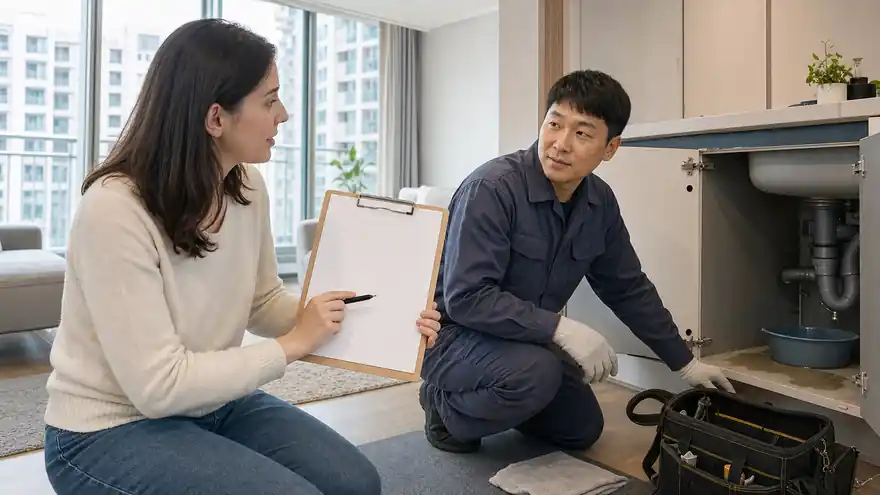
Situation Map
Repair Korean is not only about saying that something is broken. You must explain what happened, when it started, what evidence you have, what action you want, and how the service center should contact you next.
A strong repair request has a simple order: problem, evidence, appointment, cost, follow-up. If the repair is not completed, the complaint should stay calm and specific. This lesson practices that full path.
Do not memorize this as a generic word list. Use the words inside real service-center turns: requesting, checking, documenting, escalating, and confirming the next step.
Name the exact symptom and when it started.
Prepare photos, video, receipt, model name, and short notes.
Ask for intake, visit availability, and whether warranty applies.
Confirm free or paid repair before work begins.
Test the item while the technician is still there.
If it is unresolved, state what still fails.
Request a revisit, part, or next contact time.
For escalation, write date, issue, evidence, and requested action.
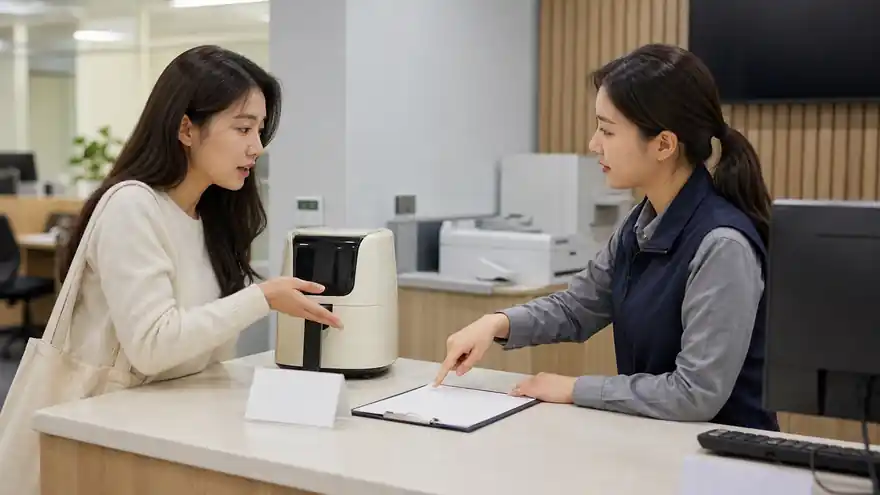
Core Words
핵심 단어는 28개로 제한하고, 나머지는 실제 요청과 민원 표현으로 연습합니다.
repair
repair request
service center
intake / registration
home visit repair
technician
symptom
breakdown
water leak
noise
it does not work
it will not power on
the screen does not show
there is a smell
model name
warranty period
receipt
photo
video
evidence
reservation / appointment
schedule change
revisit
part
cost
free repair
paid repair
complaint / grievance
Repair Request Phrases
I would like to request a repair.
When can you visit?
I will explain the symptom in detail.
It will not power on.
Water is leaking.
The noise continues.
Should I send photos?
Do you also need a video?
The model name is here.
Is this within the warranty period?
Please check whether free repair is possible.
If it is paid repair, please tell me the cost first.
Can I receive an intake number?
I would like to check the processing status.
I have not received a call yet.
Please schedule a revisit.
Is a part needed?
When will the part arrive?
The same problem happened again.
It was not resolved even after the last repair.
Please check the cause again.
May I speak with a supervisor?
I would like to file a complaint politely.
The action I want is as follows.
Please check whether a refund is possible.
Is exchange or repair again possible?
Please guide me by text message.
Please contact me after checking.
Please contact me before visiting.
Can I use it right now?
Should I stop using it?
Is there a safety issue?
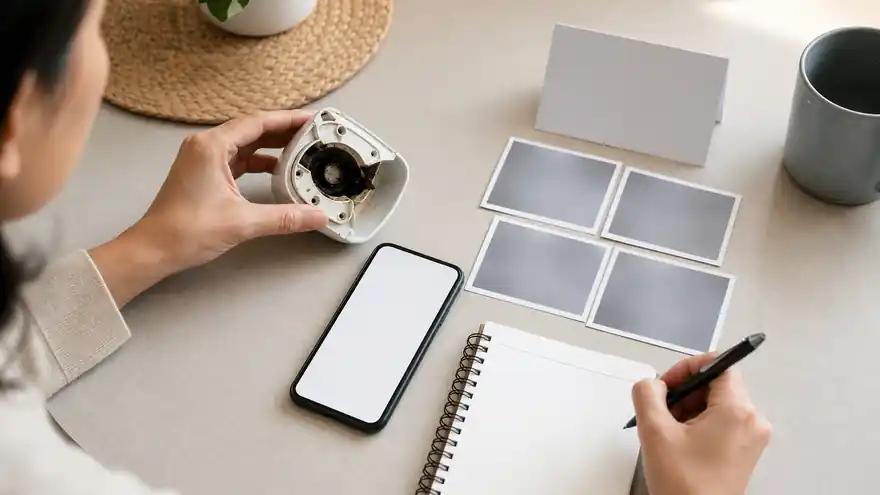
Message Script
Basic repair text: 안녕하세요. [제품/장소]에 문제가 있어서 수리를 요청드립니다. 증상은 [증상]이고, [시작 시점]부터 발생했습니다. 사진을 첨부했습니다. 방문 가능 시간과 비용 여부를 안내해 주세요.
Complaint text: 지난번 수리 후에도 같은 문제가 다시 발생했습니다. 접수 번호는 [번호]입니다. 원인 재확인과 재방문 또는 교환 가능 여부를 확인 부탁드립니다. 확인 후 문자로 연락 주세요.
Service-Center Detail Practice
When you describe a repair problem, avoid jumping straight to blame. A useful first sentence is factual: what item has the issue, where the issue appears, and when it began. After that, add frequency. For example, 하루에 두 번 정도 소음이 납니다 tells the staff that the noise is repeated, not a one-time accident.
For a home visit, separate access information from the repair explanation. The repair explanation is about the symptom. Access information is about the visit time, door entry method, parking, and whether someone will be home. Keeping these apart helps you avoid sending private details before the appointment is actually confirmed.
Cost language matters because many service centers distinguish diagnosis, labor, parts, and travel fees. If you only ask 얼마예요?, the answer can be incomplete. Use 유상 수리라면 비용을 먼저 알려 주세요, and then ask whether the amount includes 부품, 출장비, and 작업비.
Evidence should be short and useful. Send one photo of the full item, one close photo of the problem, one model-name photo if needed, and a short video only when movement, sound, or intermittent failure matters. Add 사진을 첨부했습니다 so the staff knows you are not only describing by memory.
After the technician finishes, test the exact symptom before they leave. If the problem was noise, wait long enough to hear it. If the problem was power, turn the item off and on. Then ask 지금 바로 사용해도 되나요? and 안전상 문제가 있나요? These questions protect you from using something unsafe.
If the same problem comes back, do not restart the story from zero. Reference the previous repair: 지난번 수리 후에도 같은 문제가 다시 발생했습니다. Then add the date, receipt or intake number, and the action you want. This makes the complaint easier to route inside the service center.
A polite complaint is not weak. It is structured. State inconvenience briefly, show evidence, say what has already been done, and ask for one clear next action. 정중하게 민원을 접수하고 싶습니다 is useful when you want the staff to treat the issue as a formal service problem without sounding aggressive.
End every service conversation by confirming the next channel. If the staff says they will call, ask when. If they say they will text, ask what information will be included. If they say the part is delayed, ask for the 부품 입고 예정일. This turns a vague promise into a usable plan.
Case Drills: Problem, Evidence, Request, Next Step
세탁기에서 물이 새고 있습니다. 어제 밤부터 발생했고, 바닥 사진을 첨부했습니다. 방문 수리 가능 시간을 안내해 주세요.
에어컨에서 소음이 계속 납니다. 하루에 여러 번 반복됩니다. 사용을 중지해야 하는지 확인 부탁드립니다.
정수기 전원이 안 들어옵니다. 콘센트는 확인했습니다. 보증기간 안에 해당되는지 확인해 주세요.
지난번 수리 후에도 같은 문제가 다시 발생했습니다. 접수 번호는 여기 있습니다. 재수리 가능 여부를 확인해 주세요.
유상 수리라면 비용을 먼저 알려 주세요. 부품비와 출장비가 포함되는지도 알고 싶습니다.
부품이 필요하다면 입고 예정일을 알려 주세요. 그 전까지 사용해도 되는지도 확인 부탁드립니다.
예약한 시간에 기사님이 오지 않으셨습니다. 일정 변경이 필요한지 확인 후 연락 주세요.
수리 후 바로 다시 꺼집니다. 현장에서 확인했던 증상과 다릅니다. 원인을 다시 확인해 주세요.
문자로 안내받은 내용과 실제 비용이 다릅니다. 어떤 항목이 추가되었는지 설명 부탁드립니다.
안전상 문제가 있을 수 있어서 사용을 중지했습니다. 오늘 안에 확인 가능한지 문의드립니다.
상담 내용이 계속 바뀌어서 혼란스럽습니다. 담당자 한 분이 다시 정리해서 안내해 주세요.
정중하게 민원을 접수하고 싶습니다. 제가 원하는 조치는 재방문 수리 또는 교환 가능 여부 확인입니다.
Dialogues
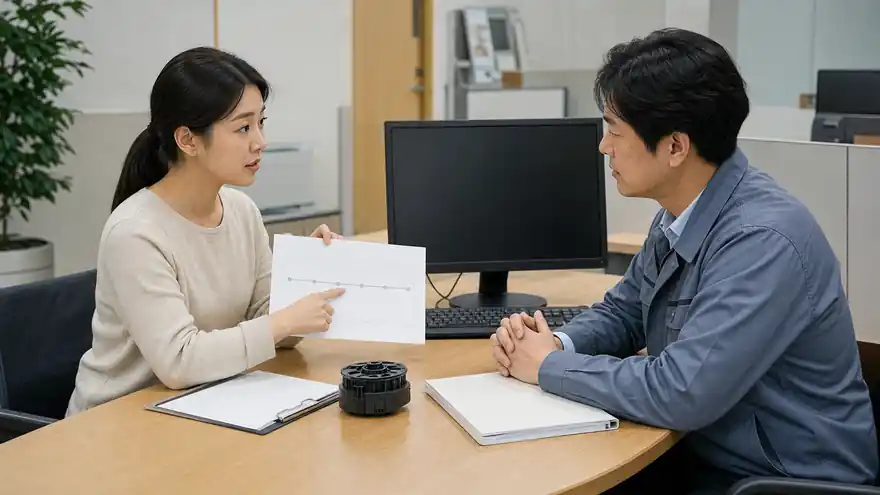
Polite Complaint Patterns
어제부터 물이 새고 있습니다.
하루에 세 번 정도 소음이 납니다.
사진과 동영상을 첨부했습니다.
보증기간 안에 해당되는지 확인해 주세요.
유상 수리라면 비용을 먼저 알려 주세요.
재방문 가능한 일정을 안내해 주세요.
수리 후에도 해결되지 않아 다시 확인 요청드립니다.
부품 입고 예정일을 알려 주세요.
안전상 사용을 중지해야 하는지 알려 주세요.
민원으로 접수하고 재수리 가능 여부를 확인해 주세요.
Mistake Clinic
Do not write only 고장났어요. Add the symptom: 전원이 안 들어와요, 물이 새요, 소음이 나요.
Do not accept paid repair without asking the cost first. Say 유상 수리라면 비용을 먼저 알려 주세요.
Do not complain with only emotion. Add date, previous repair, remaining problem, evidence, and requested action.
Do not send private information unless needed. Model name and receipt may be enough; address and phone are for appointment only.
Do not end the visit without testing. Ask 지금 바로 사용해도 되나요? and 사용을 중지해야 하나요?
Do not leave the next step vague. Ask 재방문 일정, 부품 입고, 담당자 연락, 접수 번호.
Practice Cards
A sink leaks after the first repair.
지난번 수리 후에도 물이 새고 있습니다.You need a technician visit.
방문 수리를 요청하고 싶습니다.You have photos ready.
사진을 찍어 두었습니다. 보내드릴까요?You need to ask about warranty.
보증기간 안에 해당되나요?You must ask cost before paid repair.
유상 수리라면 비용을 먼저 알려 주세요.The part is not available yet.
부품 입고는 언제인가요?You need a new appointment.
재방문 일정을 잡아 주세요.You did not receive a call.
아직 연락을 받지 못했습니다.The same symptom returned.
같은 문제가 다시 발생했습니다.You need supervisor help.
상급자와 상담할 수 있을까요?You need text guidance.
문자로 안내해 주세요.You need to stop using it.
사용을 중지해야 하나요?You want repair again.
재수리가 가능한지 확인 부탁드립니다.You want an exchange option.
교환 가능 여부도 확인해 주세요.You want a refund check.
환불이 가능한지 확인 부탁드립니다.You need the intake number.
접수 번호를 받을 수 있을까요?You want progress status.
처리 상태를 확인하고 싶습니다.You need a call before visit.
방문 전에 연락 주세요.Final Checklist
- 증상, 시작 시점, 빈도를 말했는가?
- 사진, 동영상, 영수증, 모델명을 준비했는가?
- 무상/유상 여부와 비용을 확인했는가?
- 접수 번호와 다음 연락 시간을 받았는가?
- 해결되지 않았을 때 원하는 조치를 한 문장으로 말했는가?