[태그:] Korean for school life

  • 学校のお知らせと保護者案内の韓国語

    学校のお知らせと保護者案内の韓国語

    学校のお知らせと保護者案内の韓国語

    10 分

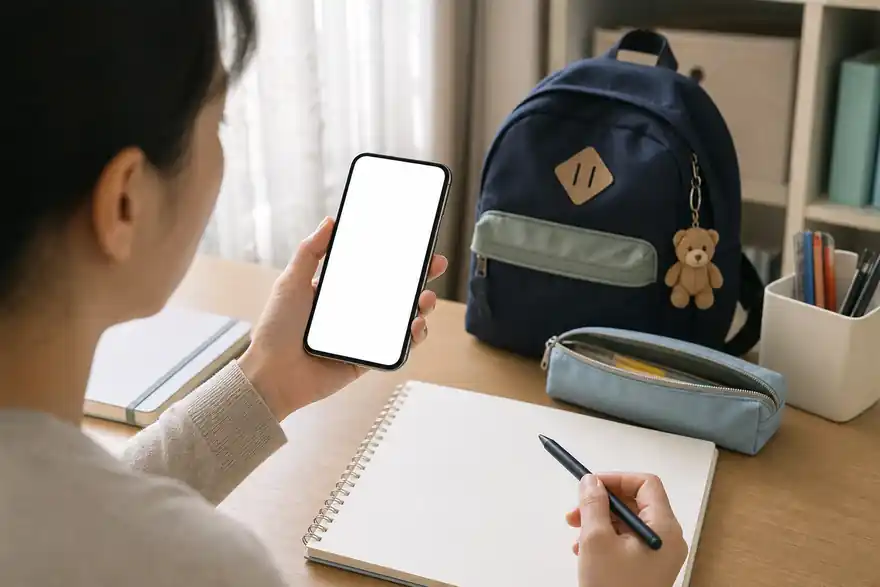
    Textless generated hero learning photo.
    Use the image as a scene cue, then practice the sentence connected to that scene.

    このレッスンの使い方

    このv4版では、中心単語を30語に絞ります。長い単語表にせず、表現、会話、場面練習で、実際の場面で動ける形にします。

    Study in three passes: first scan the 30 core words, then choose the phrases that match the scene, then write one short message that includes a confirmation question.

    核心単語30

    The words below are the only core-word set for this topic. Other details are handled through phrases and practice cards.

    Core group 1

    학교

    発音: hakgyo

    意味: 学校

    例文: 알림장을 확인했어요.

    담임선생님

    発音: damim seonsaengnim

    意味: 担任の先生

    例文: 가정통신문을 받았어요.

    보호자

    発音: bohoja

    意味: 保護者

    例文: 이 안내문이 무슨 뜻이에요?

    학부모

    発音: hakbumo

    意味: 保護者/父母

    例文: 준비물이 뭐예요?

    학생

    発音: haksaeng

    意味: 学生

    例文: 언제까지 제출해야 해요?

    Core group 2

    알림장

    発音: allimjang

    意味: 連絡帳

    例文: 동의서에 서명해야 해요?

    가정통신문

    発音: gajeong tongsinmun

    意味: 家庭通信文

    例文: 회신 기한이 언제예요?

    안내문

    発音: annaemun

    意味: 案内文

    例文: 아이가 오늘 결석해요.

    공지

    発音: gongji

    意味: お知らせ

    例文: 병원에 가서 지각할 것 같아요.

    문자

    発音: munja

    意味: メッセージ

    例文: 조퇴해야 해요.

    Core group 3

    학교 앱

    発音: hakgyo aep

    意味: 学校アプリ

    例文: 병결 증빙서류가 필요해요?

    출결

    発音: chulgyeol

    意味: 出欠

    例文: 체험학습 신청서는 어디에 내요?

    결석

    発音: gyeolseok

    意味: 欠席

    例文: 현장학습에 참여할 수 있어요?

    지각

    発音: jigak

    意味: 遅刻

    例文: 불참하면 어떻게 해요?

    조퇴

    発音: jotoe

    意味: 早退

    例文: 급식 알레르기를 알려야 해요.

    Core group 4

    병결

    発音: byeonggyeol

    意味: 病欠

    例文: 체육복을 가져와야 해요?

    체험학습

    発音: cheheom hakseup

    意味: 体験学習

    例文: 실내화가 필요해요?

    현장학습

    発音: hyeonjang hakseup

    意味: 校外学習

    例文: 준비물을 내일까지 보내도 돼요?

    준비물

    発音: junbimul

    意味: 持ち物

    例文: 상담 시간을 예약하고 싶어요.

    숙제

    発音: sukje

    意味: 宿題

    例文: 면담 시간을 변경할 수 있어요?

    Core group 5

    과제

    発音: gwaje

    意味: 課題

    例文: 선생님께 전달해 주세요.

    제출

    発音: jechul

    意味: 提出

    例文: 문자로 다시 안내 받을 수 있어요?

    마감일

    発音: magamil

    意味: 締切日

    例文: 학교 앱에서 확인하면 돼요?

    동의서

    発音: dong-uiseo

    意味: 同意書

    例文: 제가 맞게 이해했는지 확인해 주세요.

    신청서

    発音: sincheongseo

    意味: 申請書

    例文: 다시 한 번 천천히 말씀해 주세요.

    Core group 6

    서명

    発音: seomyeong

    意味: 署名

    例文: 종이에 써 주실 수 있어요?

    회신

    発音: hoesin

    意味: 返信

    例文: 아이 이름을 어디에 써요?

    회신 기한

    発音: hoesin gihan

    意味: 返信期限

    例文: 보호자 연락처를 적어야 해요?

    상담

    発音: sangdam

    意味: 相談

    例文: 개인정보는 어디까지 필요해요?

    면담

    発音: myeondam

    意味: 面談

    例文: 오늘 하교 시간이 바뀌었어요?

    Textless generated notice learning photo.
    Move from isolated words to one visible action in the scene.

    実用表現32

    1. 알림장을 확인했어요.

    連絡帳を確認しました。

    2. 가정통신문을 받았어요.

    家庭通信文を受け取りました。

    3. 이 안내문이 무슨 뜻이에요?

    この案内文はどういう意味ですか。

    4. 준비물이 뭐예요?

    持ち物は何ですか。

    5. 언제까지 제출해야 해요?

    いつまでに提出しますか。

    6. 동의서에 서명해야 해요?

    同意書に署名が必要ですか。

    7. 회신 기한이 언제예요?

    返信期限はいつですか。

    8. 아이가 오늘 결석해요.

    子どもが今日欠席します。

    9. 병원에 가서 지각할 것 같아요.

    病院に行くので遅刻しそうです。

    10. 조퇴해야 해요.

    早退しなければなりません。

    11. 병결 증빙서류가 필요해요?

    病欠の証明書類が必要ですか。

    12. 체험학습 신청서는 어디에 내요?

    体験学習申請書はどこに出しますか。

    13. 현장학습에 참여할 수 있어요?

    校外学習に参加できますか。

    14. 불참하면 어떻게 해요?

    不参加の場合はどうしますか。

    15. 급식 알레르기를 알려야 해요.

    給食のアレルギーを知らせる必要があります。

    16. 체육복을 가져와야 해요?

    体操服を持ってきますか。

    17. 실내화가 필요해요?

    上履きが必要ですか。

    18. 준비물을 내일까지 보내도 돼요?

    持ち物は明日までに送ってもいいですか。

    19. 상담 시간을 예약하고 싶어요.

    相談時間を予約したいです。

    20. 면담 시간을 변경할 수 있어요?

    面談時間を変更できますか。

    21. 선생님께 전달해 주세요.

    先生に伝えてください。

    22. 문자로 다시 안내 받을 수 있어요?

    メッセージでもう一度案内を受けられますか。

    23. 학교 앱에서 확인하면 돼요?

    学校アプリで確認すればいいですか。

    24. 제가 맞게 이해했는지 확인해 주세요.

    正しく理解したか確認してください。

    25. 다시 한 번 천천히 말씀해 주세요.

    もう一度ゆっくり話してください。

    26. 종이에 써 주실 수 있어요?

    紙に書いていただけますか。

    27. 아이 이름을 어디에 써요?

    子どもの名前はどこに書きますか。

    28. 보호자 연락처를 적어야 해요?

    保護者の連絡先を書きますか。

    29. 개인정보는 어디까지 필요해요?

    個人情報はどこまで必要ですか。

    30. 오늘 하교 시간이 바뀌었어요?

    今日の下校時間が変わりましたか。

    31. 긴급 연락은 어디로 해요?

    緊急連絡はどこにしますか。

    32. 답장을 보내야 해요?

    返信を送る必要がありますか。

    場面メモ

    Scenario note 1: まず韓国語の文を読み、その後で意味を確認します。目的は一語ずつ訳すことではなく、場面を素早く見分けることです。

    Scenario note 2: 相手が速く話すときは、確認表現を一つ選び、大事な情報をもう一度言います。これで多くの誤解を防げます。

    Scenario note 3: 核心単語を目印にします。どの名詞がメッセージの中心なのか分かると、文全体がかなり楽になります。

    Scenario note 4: 不安なときは文字で送ってもらいます。急いだ電話の返事より、メッセージで確認する方が安全なことが多いです。

    Scenario note 5: 短い言い方と丁寧な言い方を両方練習します。韓国のサービス場面では、短くても失礼でない表現がよく使われます。

    Scenario note 6: 最後は次の行動をはっきりさせます。確認する、待つ、持ってくる、送る、支払う、訪問する、折り返す、のように終わります。

    Scenario note 7: This topic is 学校のお知らせと保護者案内の韓国語. Keep the Korean sentence connected to one visible task, not to a loose memorized list.

    Scenario note 8: The content group is daily-korean-school-notices-parent-guidance; keep examples inside that real-life boundary so learners do not jump between unrelated scenes.

    Scenario note 9: When writing your own message, use four blocks: greeting, situation, key detail, and confirmation question.

    Scenario note 10: When speaking, keep your voice calm and use one sentence at a time. A short confirmed sentence is better than a long uncertain explanation.

    Step 1

    まず場所や窓口を言います。相手はどの場面の話か分かってからでないと、正しく助けることができません。

    Korean check: 언제까지 제출해야 해요?

    Step 2

    困っていることは短い一文で伝えます。番号、金額、住所、日付、書類が大事な場合は、その情報を分けてもう一度確認します。

    Korean check: 동의서에 서명해야 해요?

    Step 3

    長い説明を求めるより、次に何をすればよいかを聞きます。確認する、待つ、持って行く、書く、払う、送る、訪問する、電話するなどです。

    Korean check: 회신 기한이 언제예요?

    Step 4

    新しい単語を聞いたら、このレッスンの30語のどれに近いかを考えます。学習範囲を広げすぎず、場面の理解を保つためです。

    Korean check: 아이가 오늘 결석해요.

    Step 5

    短い文でも丁寧な語尾を使います。依頼がはっきりしていて語尾が丁寧なら、短い韓国語でも失礼になりにくいです。

    Korean check: 병원에 가서 지각할 것 같아요.

    Step 6

    相手が選択肢を言ったら、自分が理解した選択肢を繰り返します。番号、時間、場所の聞き間違いを防ぐ一番簡単な方法です。

    Korean check: 조퇴해야 해요.

    Step 7

    その場を離れる前、または電話を切る前に、自分が次にする行動を言います。最後の確認は、余分な単語を十個覚えるより実用的です。

    Korean check: 병결 증빙서류가 필요해요?

    Step 8

    練習後はメッセージ文を一つ書きます。あいさつ、状況、重要な情報、確認質問の四つを入れると実際に使いやすくなります。

    Korean check: 체험학습 신청서는 어디에 내요?

    実際の会話5場面

    Dialogue 1

    • You: 알림장을 확인했어요.
    • Staff: 가정통신문을 받았어요.
    • You: 이 안내문이 무슨 뜻이에요?

    Dialogue 2

    • You: 준비물이 뭐예요?
    • Staff: 언제까지 제출해야 해요?
    • You: 동의서에 서명해야 해요?

    Dialogue 3

    • You: 회신 기한이 언제예요?
    • Staff: 아이가 오늘 결석해요.
    • You: 병원에 가서 지각할 것 같아요.

    Dialogue 4

    • You: 조퇴해야 해요.
    • Staff: 병결 증빙서류가 필요해요?
    • You: 체험학습 신청서는 어디에 내요?

    Dialogue 5

    • You: 현장학습에 참여할 수 있어요?
    • Staff: 불참하면 어떻게 해요?
    • You: 급식 알레르기를 알려야 해요.
    Textless generated app learning photo.
    Short dialogue practice keeps the article practical, not just vocabulary-heavy.

    文型ドリル

    1. N을/를 확인해 주세요.

    Swap N with 학교 or another core word from this topic.

    2. N이/가 필요해요.

    Swap N with 담임선생님 or another core word from this topic.

    3. N은/는 어디에서 해요?

    Swap N with 보호자 or another core word from this topic.

    4. N을/를 문자로 보내 주세요.

    Swap N with 학부모 or another core word from this topic.

    5. N이/가 잘 안 돼요.

    Swap N with 학생 or another core word from this topic.

    6. N을/를 다시 설명해 주세요.

    Swap N with 알림장 or another core word from this topic.

    7. N 때문에 연락드렸어요.

    Swap N with 가정통신문 or another core word from this topic.

    8. N으로 부탁드립니다.

    Swap N with 안내문 or another core word from this topic.

    9. N이/가 맞나요?

    Swap N with 공지 or another core word from this topic.

    10. 확인하고 다시 연락드릴게요.

    Swap N with 문자 or another core word from this topic.

    応用練習

    1. Situation: You need to use 学校 in a real conversation.

    答えの例: 알림장을 확인했어요.

    2. Situation: You need to use 担任の先生 in a real conversation.

    答えの例: 가정통신문을 받았어요.

    3. Situation: You need to use 保護者 in a real conversation.

    答えの例: 이 안내문이 무슨 뜻이에요?

    4. Situation: You need to use 保護者/父母 in a real conversation.

    答えの例: 준비물이 뭐예요?

    5. Situation: You need to use 学生 in a real conversation.

    答えの例: 언제까지 제출해야 해요?

    6. Situation: You need to use 連絡帳 in a real conversation.

    答えの例: 동의서에 서명해야 해요?

    7. Situation: You need to use 家庭通信文 in a real conversation.

    答えの例: 회신 기한이 언제예요?

    8. Situation: You need to use 案内文 in a real conversation.

    答えの例: 아이가 오늘 결석해요.

    9. Situation: You need to use お知らせ in a real conversation.

    答えの例: 병원에 가서 지각할 것 같아요.

    10. Situation: You need to use メッセージ in a real conversation.

    答えの例: 조퇴해야 해요.

    11. Situation: You need to use 学校アプリ in a real conversation.

    答えの例: 병결 증빙서류가 필요해요?

    12. Situation: You need to use 出欠 in a real conversation.

    答えの例: 체험학습 신청서는 어디에 내요?

    13. Situation: You need to use 欠席 in a real conversation.

    答えの例: 현장학습에 참여할 수 있어요?

    14. Situation: You need to use 遅刻 in a real conversation.

    答えの例: 불참하면 어떻게 해요?

    15. Situation: You need to use 早退 in a real conversation.

    答えの例: 급식 알레르기를 알려야 해요.

    16. Situation: You need to use 病欠 in a real conversation.

    答えの例: 체육복을 가져와야 해요?

    間違い防止クリニック

    1. Do not memorize the word list without a sentence. Attach each word to one situation.

    2. Do not answer too quickly when a number, date, amount, or name matters. Ask for confirmation.

    3. Do not mix similar nouns. Pick the exact noun before you explain the action.

    4. Do not make the message too long. Use greeting, situation, key detail, and request.

    5. Do not skip the final confirmation. A short 확인해 주세요 often prevents the next problem.

    6. Do not treat romanization as the goal. Use it only to start, then return to the Korean sentence.

    さらに確認する4項目

    Check the role

    Who is speaking, who is listening, and what action should happen next?

    Check the detail

    Find the number, place, item, symptom, document, fee, time, or person that cannot be wrong.

    Check the channel

    Decide whether the answer should be spoken, texted, shown on a form, or confirmed by photo.

    Check the close

    End with a clear next action so the other person knows what to do after the conversation.

    最後の復習ルーティン

    Choose five core words, three phrases, and one pattern. Say them once, write them once, and then change one detail so you can use the sentence in your own situation.

    The next lesson should feel easier because the system is the same: limited core words, more real sentences, and a final confirmation step.

    BS3001 Daily Korean L1 content group: daily-korean-school-notices-parent-guidance

  • ภาษาเกาหลีสำหรับประกาศโรงเรียนและคำแนะนำผู้ปกครอง

    ภาษาเกาหลีสำหรับประกาศโรงเรียนและคำแนะนำผู้ปกครอง

    ภาษาเกาหลีสำหรับประกาศโรงเรียนและคำแนะนำผู้ปกครอง

    10 นาที

    Textless generated hero learning photo.
    Use the image as a scene cue, then practice the sentence connected to that scene.

    วิธีใช้บทเรียนนี้

    บทเรียน v4 นี้จำกัดคำหลักไว้ 30 คำ แทนที่จะใช้ตารางคำศัพท์ยาว ๆ จะใช้ประโยค บทสนทนา และแบบฝึกสถานการณ์เพื่อให้ผู้เรียนใช้ได้จริง

    Study in three passes: first scan the 30 core words, then choose the phrases that match the scene, then write one short message that includes a confirmation question.

    คำหลัก 30 คำ

    The words below are the only core-word set for this topic. Other details are handled through phrases and practice cards.

    Core group 1

    학교

    เสียงอ่าน: hakgyo

    ความหมาย: โรงเรียน

    ตัวอย่าง: 알림장을 확인했어요.

    담임선생님

    เสียงอ่าน: damim seonsaengnim

    ความหมาย: ครูประจำชั้น

    ตัวอย่าง: 가정통신문을 받았어요.

    보호자

    เสียงอ่าน: bohoja

    ความหมาย: ผู้ปกครอง

    ตัวอย่าง: 이 안내문이 무슨 뜻이에요?

    학부모

    เสียงอ่าน: hakbumo

    ความหมาย: ผู้ปกครอง

    ตัวอย่าง: 준비물이 뭐예요?

    학생

    เสียงอ่าน: haksaeng

    ความหมาย: นักเรียน

    ตัวอย่าง: 언제까지 제출해야 해요?

    Core group 2

    알림장

    เสียงอ่าน: allimjang

    ความหมาย: สมุด/ข้อความแจ้งจากโรงเรียน

    ตัวอย่าง: 동의서에 서명해야 해요?

    가정통신문

    เสียงอ่าน: gajeong tongsinmun

    ความหมาย: จดหมายแจ้งผู้ปกครอง

    ตัวอย่าง: 회신 기한이 언제예요?

    안내문

    เสียงอ่าน: annaemun

    ความหมาย: ใบแจ้ง/คำแนะนำ

    ตัวอย่าง: 아이가 오늘 결석해요.

    공지

    เสียงอ่าน: gongji

    ความหมาย: ประกาศ

    ตัวอย่าง: 병원에 가서 지각할 것 같아요.

    문자

    เสียงอ่าน: munja

    ความหมาย: ข้อความ

    ตัวอย่าง: 조퇴해야 해요.

    Core group 3

    학교 앱

    เสียงอ่าน: hakgyo aep

    ความหมาย: แอปโรงเรียน

    ตัวอย่าง: 병결 증빙서류가 필요해요?

    출결

    เสียงอ่าน: chulgyeol

    ความหมาย: การมาเรียน

    ตัวอย่าง: 체험학습 신청서는 어디에 내요?

    결석

    เสียงอ่าน: gyeolseok

    ความหมาย: ขาดเรียน

    ตัวอย่าง: 현장학습에 참여할 수 있어요?

    지각

    เสียงอ่าน: jigak

    ความหมาย: มาสาย

    ตัวอย่าง: 불참하면 어떻게 해요?

    조퇴

    เสียงอ่าน: jotoe

    ความหมาย: กลับก่อนเวลา

    ตัวอย่าง: 급식 알레르기를 알려야 해요.

    Core group 4

    병결

    เสียงอ่าน: byeonggyeol

    ความหมาย: ขาดเพราะป่วย

    ตัวอย่าง: 체육복을 가져와야 해요?

    체험학습

    เสียงอ่าน: cheheom hakseup

    ความหมาย: กิจกรรมเรียนรู้นอกสถานที่

    ตัวอย่าง: 실내화가 필요해요?

    현장학습

    เสียงอ่าน: hyeonjang hakseup

    ความหมาย: ทัศนศึกษา/เรียนรู้นอกสถานที่

    ตัวอย่าง: 준비물을 내일까지 보내도 돼요?

    준비물

    เสียงอ่าน: junbimul

    ความหมาย: ของที่ต้องเตรียม

    ตัวอย่าง: 상담 시간을 예약하고 싶어요.

    숙제

    เสียงอ่าน: sukje

    ความหมาย: การบ้าน

    ตัวอย่าง: 면담 시간을 변경할 수 있어요?

    Core group 5

    과제

    เสียงอ่าน: gwaje

    ความหมาย: งานที่ได้รับมอบหมาย

    ตัวอย่าง: 선생님께 전달해 주세요.

    제출

    เสียงอ่าน: jechul

    ความหมาย: การส่ง

    ตัวอย่าง: 문자로 다시 안내 받을 수 있어요?

    마감일

    เสียงอ่าน: magamil

    ความหมาย: วันกำหนดส่ง

    ตัวอย่าง: 학교 앱에서 확인하면 돼요?

    동의서

    เสียงอ่าน: dong-uiseo

    ความหมาย: ใบยินยอม

    ตัวอย่าง: 제가 맞게 이해했는지 확인해 주세요.

    신청서

    เสียงอ่าน: sincheongseo

    ความหมาย: แบบฟอร์มสมัคร/ขอ

    ตัวอย่าง: 다시 한 번 천천히 말씀해 주세요.

    Core group 6

    서명

    เสียงอ่าน: seomyeong

    ความหมาย: ลายเซ็น

    ตัวอย่าง: 종이에 써 주실 수 있어요?

    회신

    เสียงอ่าน: hoesin

    ความหมาย: การตอบกลับ

    ตัวอย่าง: 아이 이름을 어디에 써요?

    회신 기한

    เสียงอ่าน: hoesin gihan

    ความหมาย: กำหนดตอบกลับ

    ตัวอย่าง: 보호자 연락처를 적어야 해요?

    상담

    เสียงอ่าน: sangdam

    ความหมาย: การปรึกษา

    ตัวอย่าง: 개인정보는 어디까지 필요해요?

    면담

    เสียงอ่าน: myeondam

    ความหมาย: การพบคุย

    ตัวอย่าง: 오늘 하교 시간이 바뀌었어요?

    Textless generated notice learning photo.
    Move from isolated words to one visible action in the scene.

    32 ประโยคที่ใช้ได้จริง

    1. 알림장을 확인했어요.

    ตรวจ 알림장 แล้ว

    2. 가정통신문을 받았어요.

    ได้รับ 가정통신문 แล้ว

    3. 이 안내문이 무슨 뜻이에요?

    ใบแจ้งนี้หมายความว่าอะไร

    4. 준비물이 뭐예요?

    ต้องเตรียมอะไร

    5. 언제까지 제출해야 해요?

    ต้องส่งภายในเมื่อไร

    6. 동의서에 서명해야 해요?

    ต้องเซ็นใบยินยอมไหม

    7. 회신 기한이 언제예요?

    กำหนดตอบกลับเมื่อไร

    8. 아이가 오늘 결석해요.

    วันนี้ลูกขาดเรียน

    9. 병원에 가서 지각할 것 같아요.

    ไปโรงพยาบาล อาจมาสาย

    10. 조퇴해야 해요.

    ต้องกลับก่อนเวลา

    11. 병결 증빙서류가 필요해요?

    ต้องใช้เอกสารป่วยไหม

    12. 체험학습 신청서는 어디에 내요?

    ส่งใบสมัครกิจกรรมที่ไหน

    13. 현장학습에 참여할 수 있어요?

    เข้าร่วมทัศนศึกษาได้ไหม

    14. 불참하면 어떻게 해요?

    ถ้าไม่เข้าร่วมต้องทำอย่างไร

    15. 급식 알레르기를 알려야 해요.

    ต้องแจ้งแพ้อาหารโรงเรียน

    16. 체육복을 가져와야 해요?

    ต้องเอาชุดพละมาไหม

    17. 실내화가 필요해요?

    ต้องใช้รองเท้าในอาคารไหม

    18. 준비물을 내일까지 보내도 돼요?

    ส่งของพรุ่งนี้ได้ไหม

    19. 상담 시간을 예약하고 싶어요.

    อยากจองเวลาปรึกษา

    20. 면담 시간을 변경할 수 있어요?

    เปลี่ยนเวลาพบได้ไหม

    21. 선생님께 전달해 주세요.

    ช่วยแจ้งครูให้หน่อย

    22. 문자로 다시 안내 받을 수 있어요?

    ขอรับแจ้งซ้ำทางข้อความได้ไหม

    23. 학교 앱에서 확인하면 돼요?

    ตรวจในแอปโรงเรียนได้ใช่ไหม

    24. 제가 맞게 이해했는지 확인해 주세요.

    ช่วยดูว่าฉันเข้าใจถูกไหม

    25. 다시 한 번 천천히 말씀해 주세요.

    ช่วยพูดช้า ๆ อีกครั้ง

    26. 종이에 써 주실 수 있어요?

    ช่วยเขียนลงกระดาษได้ไหม

    27. 아이 이름을 어디에 써요?

    เขียนชื่อลูกตรงไหน

    28. 보호자 연락처를 적어야 해요?

    ต้องเขียนเบอร์ผู้ปกครองไหม

    29. 개인정보는 어디까지 필요해요?

    ต้องใช้ข้อมูลส่วนตัวถึงแค่ไหน

    30. 오늘 하교 시간이 바뀌었어요?

    เวลาเลิกเรียนวันนี้เปลี่ยนไหม

    31. 긴급 연락은 어디로 해요?

    ติดต่อฉุกเฉินที่ไหน

    32. 답장을 보내야 해요?

    ต้องตอบกลับไหม

    บันทึกสถานการณ์

    Scenario note 1: อ่านประโยคภาษาเกาหลีก่อน แล้วค่อยดูความหมาย เป้าหมายคือรู้สถานการณ์อย่างรวดเร็ว ไม่ใช่แปลทุกคำช้า ๆ

    Scenario note 2: เมื่ออีกฝ่ายพูดเร็ว ให้เลือกประโยคยืนยันหนึ่งประโยคและพูดรายละเอียดสำคัญซ้ำ วิธีนี้ช่วยลดความเข้าใจผิด

    Scenario note 3: ใช้คำหลักเป็นจุดยึด ประโยคจะง่ายขึ้นเมื่อรู้ว่าคำนามใดเป็นหัวใจของข้อความ

    Scenario note 4: ถ้าไม่มั่นใจ ให้ขอข้อมูลเป็นข้อความ การยืนยันด้วยข้อความมักปลอดภัยกว่าการตอบทางโทรศัพท์แบบรีบ ๆ

    Scenario note 5: ฝึกทั้งแบบสั้นและแบบสุภาพ บริการในเกาหลีมักใช้ภาษาสั้นแต่ยังให้เกียรติ

    Scenario note 6: ปิดท้ายด้วยการกระทำถัดไปที่ชัดเจน เช่น ตรวจ รอ นำมา ส่ง จ่ายเงิน ไปพบ หรือโทรกลับ

    Scenario note 7: This topic is ภาษาเกาหลีสำหรับประกาศโรงเรียนและคำแนะนำผู้ปกครอง. Keep the Korean sentence connected to one visible task, not to a loose memorized list.

    Scenario note 8: The content group is daily-korean-school-notices-parent-guidance; keep examples inside that real-life boundary so learners do not jump between unrelated scenes.

    Scenario note 9: When writing your own message, use four blocks: greeting, situation, key detail, and confirmation question.

    Scenario note 10: When speaking, keep your voice calm and use one sentence at a time. A short confirmed sentence is better than a long uncertain explanation.

    Step 1

    ให้บอกสถานที่หรือช่องบริการก่อน เพราะผู้ฟังต้องรู้ว่าคุณกำลังพูดถึงสถานการณ์บริการแบบใดจึงจะช่วยได้ถูกต้อง

    Korean check: 언제까지 제출해야 해요?

    Step 2

    อธิบายปัญหาเป็นประโยคสั้นหนึ่งประโยค ถ้ามีตัวเลข จำนวนเงิน ที่อยู่ วันที่ หรือเอกสารสำคัญ ให้แยกรายละเอียดนั้นและทวนอีกครั้ง

    Korean check: 동의서에 서명해야 해요?

    Step 3

    ถามการกระทำขั้นต่อไปแทนการขอคำอธิบายยาว ๆ การกระทำที่ใช้บ่อยคือ ตรวจสอบ รอ นำมา เขียน จ่าย ส่ง ไปพบ โทรกลับ หรือยืนยัน

    Korean check: 회신 기한이 언제예요?

    Step 4

    เมื่อได้ยินคำใหม่ ให้เชื่อมคำนั้นกับหนึ่งใน 30 คำหลักของบทเรียน วิธีนี้ช่วยให้บทเรียนไม่กลายเป็นรายการคำศัพท์ที่กระจัดกระจาย

    Korean check: 아이가 오늘 결석해요.

    Step 5

    ใช้คำลงท้ายสุภาพแม้ประโยคจะสั้น ภาษาเกาหลีที่สั้นยังดูสุภาพได้ถ้าคำขอชัดเจนและลงท้ายอย่างเหมาะสม

    Korean check: 병원에 가서 지각할 것 같아요.

    Step 6

    ถ้าอีกฝ่ายให้ตัวเลือก ให้ทวนตัวเลือกที่คุณเข้าใจ วิธีนี้ช่วยจับความผิดเรื่องตัวเลข เวลา หรือสถานที่ได้ง่ายที่สุด

    Korean check: 조퇴해야 해요.

    Step 7

    ก่อนออกจากสถานที่หรือวางสาย ให้พูดว่าคุณจะทำอะไรต่อ การยืนยันการกระทำสุดท้ายมีประโยชน์กว่าการจำคำเพิ่มอีกหลายคำ

    Korean check: 병결 증빙서류가 필요해요?

    Step 8

    หลังฝึกแล้ว ให้เขียนข้อความหนึ่งฉบับ ข้อความควรมีคำทักทาย สถานการณ์ รายละเอียดสำคัญ และคำถามเพื่อยืนยันหนึ่งข้อ

    Korean check: 체험학습 신청서는 어디에 내요?

    บทสนทนาจริง 5 สถานการณ์

    Dialogue 1

    • You: 알림장을 확인했어요.
    • Staff: 가정통신문을 받았어요.
    • You: 이 안내문이 무슨 뜻이에요?

    Dialogue 2

    • You: 준비물이 뭐예요?
    • Staff: 언제까지 제출해야 해요?
    • You: 동의서에 서명해야 해요?

    Dialogue 3

    • You: 회신 기한이 언제예요?
    • Staff: 아이가 오늘 결석해요.
    • You: 병원에 가서 지각할 것 같아요.

    Dialogue 4

    • You: 조퇴해야 해요.
    • Staff: 병결 증빙서류가 필요해요?
    • You: 체험학습 신청서는 어디에 내요?

    Dialogue 5

    • You: 현장학습에 참여할 수 있어요?
    • Staff: 불참하면 어떻게 해요?
    • You: 급식 알레르기를 알려야 해요.
    Textless generated app learning photo.
    Short dialogue practice keeps the article practical, not just vocabulary-heavy.

    ฝึกโครงประโยค

    1. N을/를 확인해 주세요.

    Swap N with 학교 or another core word from this topic.

    2. N이/가 필요해요.

    Swap N with 담임선생님 or another core word from this topic.

    3. N은/는 어디에서 해요?

    Swap N with 보호자 or another core word from this topic.

    4. N을/를 문자로 보내 주세요.

    Swap N with 학부모 or another core word from this topic.

    5. N이/가 잘 안 돼요.

    Swap N with 학생 or another core word from this topic.

    6. N을/를 다시 설명해 주세요.

    Swap N with 알림장 or another core word from this topic.

    7. N 때문에 연락드렸어요.

    Swap N with 가정통신문 or another core word from this topic.

    8. N으로 부탁드립니다.

    Swap N with 안내문 or another core word from this topic.

    9. N이/가 맞나요?

    Swap N with 공지 or another core word from this topic.

    10. 확인하고 다시 연락드릴게요.

    Swap N with 문자 or another core word from this topic.

    ฝึกใช้จริง

    1. Situation: You need to use โรงเรียน in a real conversation.

    คำตอบตัวอย่าง: 알림장을 확인했어요.

    2. Situation: You need to use ครูประจำชั้น in a real conversation.

    คำตอบตัวอย่าง: 가정통신문을 받았어요.

    3. Situation: You need to use ผู้ปกครอง in a real conversation.

    คำตอบตัวอย่าง: 이 안내문이 무슨 뜻이에요?

    4. Situation: You need to use ผู้ปกครอง in a real conversation.

    คำตอบตัวอย่าง: 준비물이 뭐예요?

    5. Situation: You need to use นักเรียน in a real conversation.

    คำตอบตัวอย่าง: 언제까지 제출해야 해요?

    6. Situation: You need to use สมุด/ข้อความแจ้งจากโรงเรียน in a real conversation.

    คำตอบตัวอย่าง: 동의서에 서명해야 해요?

    7. Situation: You need to use จดหมายแจ้งผู้ปกครอง in a real conversation.

    คำตอบตัวอย่าง: 회신 기한이 언제예요?

    8. Situation: You need to use ใบแจ้ง/คำแนะนำ in a real conversation.

    คำตอบตัวอย่าง: 아이가 오늘 결석해요.

    9. Situation: You need to use ประกาศ in a real conversation.

    คำตอบตัวอย่าง: 병원에 가서 지각할 것 같아요.

    10. Situation: You need to use ข้อความ in a real conversation.

    คำตอบตัวอย่าง: 조퇴해야 해요.

    11. Situation: You need to use แอปโรงเรียน in a real conversation.

    คำตอบตัวอย่าง: 병결 증빙서류가 필요해요?

    12. Situation: You need to use การมาเรียน in a real conversation.

    คำตอบตัวอย่าง: 체험학습 신청서는 어디에 내요?

    13. Situation: You need to use ขาดเรียน in a real conversation.

    คำตอบตัวอย่าง: 현장학습에 참여할 수 있어요?

    14. Situation: You need to use มาสาย in a real conversation.

    คำตอบตัวอย่าง: 불참하면 어떻게 해요?

    15. Situation: You need to use กลับก่อนเวลา in a real conversation.

    คำตอบตัวอย่าง: 급식 알레르기를 알려야 해요.

    16. Situation: You need to use ขาดเพราะป่วย in a real conversation.

    คำตอบตัวอย่าง: 체육복을 가져와야 해요?

    คลินิกป้องกันข้อผิดพลาด

    1. Do not memorize the word list without a sentence. Attach each word to one situation.

    2. Do not answer too quickly when a number, date, amount, or name matters. Ask for confirmation.

    3. Do not mix similar nouns. Pick the exact noun before you explain the action.

    4. Do not make the message too long. Use greeting, situation, key detail, and request.

    5. Do not skip the final confirmation. A short 확인해 주세요 often prevents the next problem.

    6. Do not treat romanization as the goal. Use it only to start, then return to the Korean sentence.

    ตรวจสอบเชิงลึก 4 จุด

    Check the role

    Who is speaking, who is listening, and what action should happen next?

    Check the detail

    Find the number, place, item, symptom, document, fee, time, or person that cannot be wrong.

    Check the channel

    Decide whether the answer should be spoken, texted, shown on a form, or confirmed by photo.

    Check the close

    End with a clear next action so the other person knows what to do after the conversation.

    รูทีนทบทวนสุดท้าย

    Choose five core words, three phrases, and one pattern. Say them once, write them once, and then change one detail so you can use the sentence in your own situation.

    The next lesson should feel easier because the system is the same: limited core words, more real sentences, and a final confirmation step.

    BS3001 Daily Korean L1 content group: daily-korean-school-notices-parent-guidance

  • Tiếng Hàn cho thông báo nhà trường và hướng dẫn phụ huynh

    Tiếng Hàn cho thông báo nhà trường và hướng dẫn phụ huynh

    Tiếng Hàn cho thông báo nhà trường và hướng dẫn phụ huynh

    10 ph

    Textless generated hero learning photo.
    Use the image as a scene cue, then practice the sentence connected to that scene.

    Cach dung bai hoc nay

    Ban v4 nay giu danh sach tu chinh o muc 30 tu. Thay vi lap bang tu vung dai, bai hoc dung cau, hoi thoai va bai tap tinh huong de nguoi hoc hanh dong duoc trong thuc te.

    Study in three passes: first scan the 30 core words, then choose the phrases that match the scene, then write one short message that includes a confirmation question.

    30 tu cot loi

    The words below are the only core-word set for this topic. Other details are handled through phrases and practice cards.

    Core group 1

    학교

    Phat am: hakgyo

    Nghia: trường học

    Vi du: 알림장을 확인했어요.

    담임선생님

    Phat am: damim seonsaengnim

    Nghia: giáo viên chủ nhiệm

    Vi du: 가정통신문을 받았어요.

    보호자

    Phat am: bohoja

    Nghia: người giám hộ

    Vi du: 이 안내문이 무슨 뜻이에요?

    학부모

    Phat am: hakbumo

    Nghia: phụ huynh

    Vi du: 준비물이 뭐예요?

    학생

    Phat am: haksaeng

    Nghia: học sinh

    Vi du: 언제까지 제출해야 해요?

    Core group 2

    알림장

    Phat am: allimjang

    Nghia: sổ/thông báo liên lạc

    Vi du: 동의서에 서명해야 해요?

    가정통신문

    Phat am: gajeong tongsinmun

    Nghia: thông báo gửi gia đình

    Vi du: 회신 기한이 언제예요?

    안내문

    Phat am: annaemun

    Nghia: tờ hướng dẫn

    Vi du: 아이가 오늘 결석해요.

    공지

    Phat am: gongji

    Nghia: thông báo

    Vi du: 병원에 가서 지각할 것 같아요.

    문자

    Phat am: munja

    Nghia: tin nhắn

    Vi du: 조퇴해야 해요.

    Core group 3

    학교 앱

    Phat am: hakgyo aep

    Nghia: ứng dụng nhà trường

    Vi du: 병결 증빙서류가 필요해요?

    출결

    Phat am: chulgyeol

    Nghia: điểm danh/chuyên cần

    Vi du: 체험학습 신청서는 어디에 내요?

    결석

    Phat am: gyeolseok

    Nghia: nghỉ học

    Vi du: 현장학습에 참여할 수 있어요?

    지각

    Phat am: jigak

    Nghia: đi muộn

    Vi du: 불참하면 어떻게 해요?

    조퇴

    Phat am: jotoe

    Nghia: về sớm

    Vi du: 급식 알레르기를 알려야 해요.

    Core group 4

    병결

    Phat am: byeonggyeol

    Nghia: nghỉ ốm

    Vi du: 체육복을 가져와야 해요?

    체험학습

    Phat am: cheheom hakseup

    Nghia: hoạt động trải nghiệm

    Vi du: 실내화가 필요해요?

    현장학습

    Phat am: hyeonjang hakseup

    Nghia: tham quan học tập

    Vi du: 준비물을 내일까지 보내도 돼요?

    준비물

    Phat am: junbimul

    Nghia: đồ cần chuẩn bị

    Vi du: 상담 시간을 예약하고 싶어요.

    숙제

    Phat am: sukje

    Nghia: bài tập về nhà

    Vi du: 면담 시간을 변경할 수 있어요?

    Core group 5

    과제

    Phat am: gwaje

    Nghia: bài làm/nhiệm vụ

    Vi du: 선생님께 전달해 주세요.

    제출

    Phat am: jechul

    Nghia: nộp

    Vi du: 문자로 다시 안내 받을 수 있어요?

    마감일

    Phat am: magamil

    Nghia: hạn chót

    Vi du: 학교 앱에서 확인하면 돼요?

    동의서

    Phat am: dong-uiseo

    Nghia: đơn đồng ý

    Vi du: 제가 맞게 이해했는지 확인해 주세요.

    신청서

    Phat am: sincheongseo

    Nghia: đơn đăng ký

    Vi du: 다시 한 번 천천히 말씀해 주세요.

    Core group 6

    서명

    Phat am: seomyeong

    Nghia: chữ ký

    Vi du: 종이에 써 주실 수 있어요?

    회신

    Phat am: hoesin

    Nghia: phản hồi

    Vi du: 아이 이름을 어디에 써요?

    회신 기한

    Phat am: hoesin gihan

    Nghia: hạn phản hồi

    Vi du: 보호자 연락처를 적어야 해요?

    상담

    Phat am: sangdam

    Nghia: tư vấn/trao đổi

    Vi du: 개인정보는 어디까지 필요해요?

    면담

    Phat am: myeondam

    Nghia: buổi gặp trao đổi

    Vi du: 오늘 하교 시간이 바뀌었어요?

    Textless generated notice learning photo.
    Move from isolated words to one visible action in the scene.

    32 cau thuc te

    1. 알림장을 확인했어요.

    Tôi đã kiểm tra 알림장.

    2. 가정통신문을 받았어요.

    Tôi đã nhận 가정통신문.

    3. 이 안내문이 무슨 뜻이에요?

    Thông báo này nghĩa là gì?

    4. 준비물이 뭐예요?

    Cần chuẩn bị gì?

    5. 언제까지 제출해야 해요?

    Phải nộp trước khi nào?

    6. 동의서에 서명해야 해요?

    Có cần ký đơn đồng ý không?

    7. 회신 기한이 언제예요?

    Hạn phản hồi là khi nào?

    8. 아이가 오늘 결석해요.

    Hôm nay con tôi nghỉ học.

    9. 병원에 가서 지각할 것 같아요.

    Đi bệnh viện nên có thể đến muộn.

    10. 조퇴해야 해요.

    Con tôi cần về sớm.

    11. 병결 증빙서류가 필요해요?

    Có cần giấy chứng minh nghỉ ốm không?

    12. 체험학습 신청서는 어디에 내요?

    Nộp đơn hoạt động trải nghiệm ở đâu?

    13. 현장학습에 참여할 수 있어요?

    Con tôi có thể tham gia chuyến đi không?

    14. 불참하면 어떻게 해요?

    Nếu không tham gia thì làm thế nào?

    15. 급식 알레르기를 알려야 해요.

    Tôi cần báo dị ứng bữa ăn trường học.

    16. 체육복을 가져와야 해요?

    Có cần mang đồng phục thể dục không?

    17. 실내화가 필요해요?

    Có cần giày đi trong lớp không?

    18. 준비물을 내일까지 보내도 돼요?

    Mai gửi đồ chuẩn bị được không?

    19. 상담 시간을 예약하고 싶어요.

    Tôi muốn đặt giờ trao đổi.

    20. 면담 시간을 변경할 수 있어요?

    Có thể đổi giờ gặp không?

    21. 선생님께 전달해 주세요.

    Vui lòng chuyển cho giáo viên.

    22. 문자로 다시 안내 받을 수 있어요?

    Có thể nhận lại hướng dẫn qua tin nhắn không?

    23. 학교 앱에서 확인하면 돼요?

    Chỉ cần kiểm tra trên app trường phải không?

    24. 제가 맞게 이해했는지 확인해 주세요.

    Vui lòng kiểm tra xem tôi hiểu đúng không.

    25. 다시 한 번 천천히 말씀해 주세요.

    Vui lòng nói chậm lại một lần nữa.

    26. 종이에 써 주실 수 있어요?

    Có thể viết ra giấy không?

    27. 아이 이름을 어디에 써요?

    Viết tên con ở đâu?

    28. 보호자 연락처를 적어야 해요?

    Có cần ghi liên hệ phụ huynh không?

    29. 개인정보는 어디까지 필요해요?

    Cần thông tin cá nhân đến mức nào?

    30. 오늘 하교 시간이 바뀌었어요?

    Giờ tan học hôm nay có đổi không?

    31. 긴급 연락은 어디로 해요?

    Liên hệ khẩn cấp ở đâu?

    32. 답장을 보내야 해요?

    Có cần gửi trả lời không?

    Ghi chu tinh huong

    Scenario note 1: Doc cau tieng Han truoc, sau do kiem tra nghia. Muc tieu la nhan ra tinh huong nhanh, khong phai dich tung tu qua cham.

    Scenario note 2: Khi nguoi kia noi nhanh, hay chon mot cau xac nhan va lap lai chi tiet quan trong. Cach nay ngan nhieu hieu nham.

    Scenario note 3: Dung tu cot loi lam moc. Cau se de hon khi ban biet danh tu nao mang nhiem vu chinh cua thong diep.

    Scenario note 4: Neu khong chac, hay xin thong tin bang tin nhan. Xac nhan bang van ban thuong an toan hon cau tra loi dien thoai voi vang.

    Scenario note 5: Luyen mot ban ngan va mot ban lich su. Nhieu tinh huong dich vu o Han Quoc dung cau ngan nhung van ton trong.

    Scenario note 6: Ket thuc bang hanh dong tiep theo ro rang: kiem tra, doi, mang den, gui, tra tien, den gap, hoac goi lai.

    Scenario note 7: This topic is Tiếng Hàn cho thông báo nhà trường và hướng dẫn phụ huynh. Keep the Korean sentence connected to one visible task, not to a loose memorized list.

    Scenario note 8: The content group is daily-korean-school-notices-parent-guidance; keep examples inside that real-life boundary so learners do not jump between unrelated scenes.

    Scenario note 9: When writing your own message, use four blocks: greeting, situation, key detail, and confirmation question.

    Scenario note 10: When speaking, keep your voice calm and use one sentence at a time. A short confirmed sentence is better than a long uncertain explanation.

    Step 1

    Hay noi dia diem hoac quay dich vu truoc, vi nguoi nghe can biet ban dang noi ve khoanh khac dich vu nao truoc khi ho co the giup dung.

    Korean check: 언제까지 제출해야 해요?

    Step 2

    Noi van de bang mot cau ngan. Neu co so, so tien, dia chi, ngay thang, hoac giay to quan trong, hay tach chi tiet do rieng va lap lai mot lan.

    Korean check: 동의서에 서명해야 해요?

    Step 3

    Hay hoi hanh dong tiep theo thay vi xin giai thich dai. Hanh dong huu ich la kiem tra, doi, mang den, viet, tra tien, gui, den gap, goi, hoac xac nhan.

    Korean check: 회신 기한이 언제예요?

    Step 4

    Khi nghe tu moi, hay noi tu do voi mot trong 30 tu cot loi. Cach nay giu bai hoc co gioi han va tranh bien cuoc noi chuyen thanh danh sach tu roi rac.

    Korean check: 아이가 오늘 결석해요.

    Step 5

    Dung duoi cau lich su ngay ca khi cau rat ngan. Cau tieng Han ngan van khong bat lich su neu yeu cau ro va cach ket thuc ton trong.

    Korean check: 병원에 가서 지각할 것 같아요.

    Step 6

    Neu nguoi kia dua ra lua chon, hay lap lai lua chon ban da hieu. Day la cach de nhat de bat loi ve so, gio, hoac dia diem.

    Korean check: 조퇴해야 해요.

    Step 7

    Truoc khi roi di hoac ket thuc cuoc goi, hay noi viec ban se lam tiep. Mot hanh dong cuoi da duoc xac nhan huu ich hon viec nho them muoi tu.

    Korean check: 병결 증빙서류가 필요해요?

    Step 8

    Sau khi luyen, hay viet mot tin nhan mau. Tin nhan nen co loi chao, tinh huong, chi tiet chinh, va mot cau hoi xac nhan.

    Korean check: 체험학습 신청서는 어디에 내요?

    Nam hoi thoai thuc te

    Dialogue 1

    • You: 알림장을 확인했어요.
    • Staff: 가정통신문을 받았어요.
    • You: 이 안내문이 무슨 뜻이에요?

    Dialogue 2

    • You: 준비물이 뭐예요?
    • Staff: 언제까지 제출해야 해요?
    • You: 동의서에 서명해야 해요?

    Dialogue 3

    • You: 회신 기한이 언제예요?
    • Staff: 아이가 오늘 결석해요.
    • You: 병원에 가서 지각할 것 같아요.

    Dialogue 4

    • You: 조퇴해야 해요.
    • Staff: 병결 증빙서류가 필요해요?
    • You: 체험학습 신청서는 어디에 내요?

    Dialogue 5

    • You: 현장학습에 참여할 수 있어요?
    • Staff: 불참하면 어떻게 해요?
    • You: 급식 알레르기를 알려야 해요.
    Textless generated app learning photo.
    Short dialogue practice keeps the article practical, not just vocabulary-heavy.

    Luyen mau cau

    1. N을/를 확인해 주세요.

    Swap N with 학교 or another core word from this topic.

    2. N이/가 필요해요.

    Swap N with 담임선생님 or another core word from this topic.

    3. N은/는 어디에서 해요?

    Swap N with 보호자 or another core word from this topic.

    4. N을/를 문자로 보내 주세요.

    Swap N with 학부모 or another core word from this topic.

    5. N이/가 잘 안 돼요.

    Swap N with 학생 or another core word from this topic.

    6. N을/를 다시 설명해 주세요.

    Swap N with 알림장 or another core word from this topic.

    7. N 때문에 연락드렸어요.

    Swap N with 가정통신문 or another core word from this topic.

    8. N으로 부탁드립니다.

    Swap N with 안내문 or another core word from this topic.

    9. N이/가 맞나요?

    Swap N with 공지 or another core word from this topic.

    10. 확인하고 다시 연락드릴게요.

    Swap N with 문자 or another core word from this topic.

    Bai luyen ung dung

    1. Situation: You need to use trường học in a real conversation.

    Cau tra loi mau: 알림장을 확인했어요.

    2. Situation: You need to use giáo viên chủ nhiệm in a real conversation.

    Cau tra loi mau: 가정통신문을 받았어요.

    3. Situation: You need to use người giám hộ in a real conversation.

    Cau tra loi mau: 이 안내문이 무슨 뜻이에요?

    4. Situation: You need to use phụ huynh in a real conversation.

    Cau tra loi mau: 준비물이 뭐예요?

    5. Situation: You need to use học sinh in a real conversation.

    Cau tra loi mau: 언제까지 제출해야 해요?

    6. Situation: You need to use sổ/thông báo liên lạc in a real conversation.

    Cau tra loi mau: 동의서에 서명해야 해요?

    7. Situation: You need to use thông báo gửi gia đình in a real conversation.

    Cau tra loi mau: 회신 기한이 언제예요?

    8. Situation: You need to use tờ hướng dẫn in a real conversation.

    Cau tra loi mau: 아이가 오늘 결석해요.

    9. Situation: You need to use thông báo in a real conversation.

    Cau tra loi mau: 병원에 가서 지각할 것 같아요.

    10. Situation: You need to use tin nhắn in a real conversation.

    Cau tra loi mau: 조퇴해야 해요.

    11. Situation: You need to use ứng dụng nhà trường in a real conversation.

    Cau tra loi mau: 병결 증빙서류가 필요해요?

    12. Situation: You need to use điểm danh/chuyên cần in a real conversation.

    Cau tra loi mau: 체험학습 신청서는 어디에 내요?

    13. Situation: You need to use nghỉ học in a real conversation.

    Cau tra loi mau: 현장학습에 참여할 수 있어요?

    14. Situation: You need to use đi muộn in a real conversation.

    Cau tra loi mau: 불참하면 어떻게 해요?

    15. Situation: You need to use về sớm in a real conversation.

    Cau tra loi mau: 급식 알레르기를 알려야 해요.

    16. Situation: You need to use nghỉ ốm in a real conversation.

    Cau tra loi mau: 체육복을 가져와야 해요?

    Goc tranh loi

    1. Do not memorize the word list without a sentence. Attach each word to one situation.

    2. Do not answer too quickly when a number, date, amount, or name matters. Ask for confirmation.

    3. Do not mix similar nouns. Pick the exact noun before you explain the action.

    4. Do not make the message too long. Use greeting, situation, key detail, and request.

    5. Do not skip the final confirmation. A short 확인해 주세요 often prevents the next problem.

    6. Do not treat romanization as the goal. Use it only to start, then return to the Korean sentence.

    Bon diem kiem tra sau hon

    Check the role

    Who is speaking, who is listening, and what action should happen next?

    Check the detail

    Find the number, place, item, symptom, document, fee, time, or person that cannot be wrong.

    Check the channel

    Decide whether the answer should be spoken, texted, shown on a form, or confirmed by photo.

    Check the close

    End with a clear next action so the other person knows what to do after the conversation.

    Lo trinh on cuoi bai

    Choose five core words, three phrases, and one pattern. Say them once, write them once, and then change one detail so you can use the sentence in your own situation.

    The next lesson should feel easier because the system is the same: limited core words, more real sentences, and a final confirmation step.

    BS3001 Daily Korean L1 content group: daily-korean-school-notices-parent-guidance

  • Korean for School Notices and Parent Guidance

    Korean for School Notices and Parent Guidance

    Korean for School Notices and Parent Guidance

    10 min read

    Textless generated hero learning photo.
    Use the image as a scene cue, then practice the sentence connected to that scene.

    How to Use This Lesson

    This v4 lesson keeps the main word list focused at 30 words. Instead of making a long vocabulary table, it uses phrases, dialogues, and situation practice so the learner can act in a real moment.

    Study in three passes: first scan the 30 core words, then choose the phrases that match the scene, then write one short message that includes a confirmation question.

    30 Core Words

    The words below are the only core-word set for this topic. Other details are handled through phrases and practice cards.

    Core group 1

    학교

    Pronunciation: hakgyo

    Meaning: school

    Example: 알림장을 확인했어요.

    담임선생님

    Pronunciation: damim seonsaengnim

    Meaning: homeroom teacher

    Example: 가정통신문을 받았어요.

    보호자

    Pronunciation: bohoja

    Meaning: guardian

    Example: 이 안내문이 무슨 뜻이에요?

    학부모

    Pronunciation: hakbumo

    Meaning: parent/guardian

    Example: 준비물이 뭐예요?

    학생

    Pronunciation: haksaeng

    Meaning: student

    Example: 언제까지 제출해야 해요?

    Core group 2

    알림장

    Pronunciation: allimjang

    Meaning: school communication notebook

    Example: 동의서에 서명해야 해요?

    가정통신문

    Pronunciation: gajeong tongsinmun

    Meaning: school notice to parents

    Example: 회신 기한이 언제예요?

    안내문

    Pronunciation: annaemun

    Meaning: notice sheet

    Example: 아이가 오늘 결석해요.

    공지

    Pronunciation: gongji

    Meaning: announcement

    Example: 병원에 가서 지각할 것 같아요.

    문자

    Pronunciation: munja

    Meaning: text message

    Example: 조퇴해야 해요.

    Core group 3

    학교 앱

    Pronunciation: hakgyo aep

    Meaning: school app

    Example: 병결 증빙서류가 필요해요?

    출결

    Pronunciation: chulgyeol

    Meaning: attendance

    Example: 체험학습 신청서는 어디에 내요?

    결석

    Pronunciation: gyeolseok

    Meaning: absence

    Example: 현장학습에 참여할 수 있어요?

    지각

    Pronunciation: jigak

    Meaning: tardiness

    Example: 불참하면 어떻게 해요?

    조퇴

    Pronunciation: jotoe

    Meaning: leaving early

    Example: 급식 알레르기를 알려야 해요.

    Core group 4

    병결

    Pronunciation: byeonggyeol

    Meaning: sick absence

    Example: 체육복을 가져와야 해요?

    체험학습

    Pronunciation: cheheom hakseup

    Meaning: experience learning trip

    Example: 실내화가 필요해요?

    현장학습

    Pronunciation: hyeonjang hakseup

    Meaning: field trip

    Example: 준비물을 내일까지 보내도 돼요?

    준비물

    Pronunciation: junbimul

    Meaning: things to prepare

    Example: 상담 시간을 예약하고 싶어요.

    숙제

    Pronunciation: sukje

    Meaning: homework

    Example: 면담 시간을 변경할 수 있어요?

    Core group 5

    과제

    Pronunciation: gwaje

    Meaning: assignment

    Example: 선생님께 전달해 주세요.

    제출

    Pronunciation: jechul

    Meaning: submission

    Example: 문자로 다시 안내 받을 수 있어요?

    마감일

    Pronunciation: magamil

    Meaning: deadline

    Example: 학교 앱에서 확인하면 돼요?

    동의서

    Pronunciation: dong-uiseo

    Meaning: consent form

    Example: 제가 맞게 이해했는지 확인해 주세요.

    신청서

    Pronunciation: sincheongseo

    Meaning: application form

    Example: 다시 한 번 천천히 말씀해 주세요.

    Core group 6

    서명

    Pronunciation: seomyeong

    Meaning: signature

    Example: 종이에 써 주실 수 있어요?

    회신

    Pronunciation: hoesin

    Meaning: reply/response

    Example: 아이 이름을 어디에 써요?

    회신 기한

    Pronunciation: hoesin gihan

    Meaning: reply deadline

    Example: 보호자 연락처를 적어야 해요?

    상담

    Pronunciation: sangdam

    Meaning: consultation

    Example: 개인정보는 어디까지 필요해요?

    면담

    Pronunciation: myeondam

    Meaning: meeting/interview

    Example: 오늘 하교 시간이 바뀌었어요?

    Textless generated notice learning photo.
    Move from isolated words to one visible action in the scene.

    32 Practical Phrases

    1. 알림장을 확인했어요.

    I checked the school note.

    2. 가정통신문을 받았어요.

    I received the school notice.

    3. 이 안내문이 무슨 뜻이에요?

    What does this notice mean?

    4. 준비물이 뭐예요?

    What should we prepare?

    5. 언제까지 제출해야 해요?

    By when should we submit it?

    6. 동의서에 서명해야 해요?

    Do I need to sign the consent form?

    7. 회신 기한이 언제예요?

    When is the reply deadline?

    8. 아이가 오늘 결석해요.

    My child is absent today.

    9. 병원에 가서 지각할 것 같아요.

    We may be late because of a hospital visit.

    10. 조퇴해야 해요.

    My child needs to leave early.

    11. 병결 증빙서류가 필요해요?

    Do you need a document for sick absence?

    12. 체험학습 신청서는 어디에 내요?

    Where do I submit the experience-learning application?

    13. 현장학습에 참여할 수 있어요?

    Can my child participate in the field trip?

    14. 불참하면 어떻게 해요?

    What should we do if we cannot participate?

    15. 급식 알레르기를 알려야 해요.

    I need to report a school-meal allergy.

    16. 체육복을 가져와야 해요?

    Should my child bring a PE uniform?

    17. 실내화가 필요해요?

    Are indoor shoes needed?

    18. 준비물을 내일까지 보내도 돼요?

    May I send the supplies by tomorrow?

    19. 상담 시간을 예약하고 싶어요.

    I would like to book a consultation time.

    20. 면담 시간을 변경할 수 있어요?

    Can I change the meeting time?

    21. 선생님께 전달해 주세요.

    Please pass this to the teacher.

    22. 문자로 다시 안내 받을 수 있어요?

    Can I receive the 안내 again by text?

    23. 학교 앱에서 확인하면 돼요?

    Should I check it in the school app?

    24. 제가 맞게 이해했는지 확인해 주세요.

    Please check whether I understood correctly.

    25. 다시 한 번 천천히 말씀해 주세요.

    Please say it slowly one more time.

    26. 종이에 써 주실 수 있어요?

    Could you write it on paper?

    27. 아이 이름을 어디에 써요?

    Where do I write my child's name?

    28. 보호자 연락처를 적어야 해요?

    Do I need to write the guardian contact?

    29. 개인정보는 어디까지 필요해요?

    How much personal information is needed?

    30. 오늘 하교 시간이 바뀌었어요?

    Did today's dismissal time change?

    31. 긴급 연락은 어디로 해요?

    Where should I make emergency contact?

    32. 답장을 보내야 해요?

    Do I need to send a reply?

    Situation Notes

    Scenario note 1: Read the Korean sentence first, then check the meaning. The goal is to recognize the situation quickly, not to translate every word slowly.

    Scenario note 2: When the other person speaks fast, choose one confirmation phrase and repeat the key detail. This prevents most misunderstandings.

    Scenario note 3: Use the core words as anchors. A sentence is easier when you know which noun carries the job of the message.

    Scenario note 4: If you are unsure, ask for the information in writing. Text confirmation is often safer than a rushed phone answer.

    Scenario note 5: Practice one short version and one polite version. Real Korean service conversations often prefer short but respectful language.

    Scenario note 6: End with a clear next action: check, wait, bring, send, pay, visit, or call back. A clear ending is more useful than a long explanation.

    Scenario note 7: This topic is Korean for School Notices and Parent Guidance. Keep the Korean sentence connected to one visible task, not to a loose memorized list.

    Scenario note 8: The content group is daily-korean-school-notices-parent-guidance; keep examples inside that real-life boundary so learners do not jump between unrelated scenes.

    Scenario note 9: When writing your own message, use four blocks: greeting, situation, key detail, and confirmation question.

    Scenario note 10: When speaking, keep your voice calm and use one sentence at a time. A short confirmed sentence is better than a long uncertain explanation.

    Step 1

    Name the place or counter first, because the listener needs to know which service moment you are talking about before they can help.

    Korean check: 언제까지 제출해야 해요?

    Step 2

    Say the problem in one short sentence. If a number, amount, address, date, or document matters, keep that detail separate and repeat it once.

    Korean check: 동의서에 서명해야 해요?

    Step 3

    Ask for the next action, not for a long explanation. Useful next actions are check, wait, bring, write, pay, send, visit, call, or confirm.

    Korean check: 회신 기한이 언제예요?

    Step 4

    When you hear a new word, connect it to one of the 30 core words. This keeps the lesson controlled and stops the conversation from becoming a loose vocabulary list.

    Korean check: 아이가 오늘 결석해요.

    Step 5

    Use the polite ending even when the sentence is short. Short Korean is not rude when the request is clear and the ending is respectful.

    Korean check: 병원에 가서 지각할 것 같아요.

    Step 6

    If the other person answers with a choice, repeat the choice you understood. This is the easiest way to catch a wrong number, wrong time, or wrong place.

    Korean check: 조퇴해야 해요.

    Step 7

    Before leaving or ending the call, say what you will do next. A final confirmed action is more useful than remembering ten extra words.

    Korean check: 병결 증빙서류가 필요해요?

    Step 8

    After practice, write one message version. The message should include greeting, situation, key detail, and one confirmation question.

    Korean check: 체험학습 신청서는 어디에 내요?

    Five Real Dialogues

    Dialogue 1

    • You: 알림장을 확인했어요.
    • Staff: 가정통신문을 받았어요.
    • You: 이 안내문이 무슨 뜻이에요?

    Dialogue 2

    • You: 준비물이 뭐예요?
    • Staff: 언제까지 제출해야 해요?
    • You: 동의서에 서명해야 해요?

    Dialogue 3

    • You: 회신 기한이 언제예요?
    • Staff: 아이가 오늘 결석해요.
    • You: 병원에 가서 지각할 것 같아요.

    Dialogue 4

    • You: 조퇴해야 해요.
    • Staff: 병결 증빙서류가 필요해요?
    • You: 체험학습 신청서는 어디에 내요?

    Dialogue 5

    • You: 현장학습에 참여할 수 있어요?
    • Staff: 불참하면 어떻게 해요?
    • You: 급식 알레르기를 알려야 해요.
    Textless generated app learning photo.
    Short dialogue practice keeps the article practical, not just vocabulary-heavy.

    Pattern Drills

    1. N을/를 확인해 주세요.

    Swap N with 학교 or another core word from this topic.

    2. N이/가 필요해요.

    Swap N with 담임선생님 or another core word from this topic.

    3. N은/는 어디에서 해요?

    Swap N with 보호자 or another core word from this topic.

    4. N을/를 문자로 보내 주세요.

    Swap N with 학부모 or another core word from this topic.

    5. N이/가 잘 안 돼요.

    Swap N with 학생 or another core word from this topic.

    6. N을/를 다시 설명해 주세요.

    Swap N with 알림장 or another core word from this topic.

    7. N 때문에 연락드렸어요.

    Swap N with 가정통신문 or another core word from this topic.

    8. N으로 부탁드립니다.

    Swap N with 안내문 or another core word from this topic.

    9. N이/가 맞나요?

    Swap N with 공지 or another core word from this topic.

    10. 확인하고 다시 연락드릴게요.

    Swap N with 문자 or another core word from this topic.

    Applied Practice

    1. Situation: You need to use school in a real conversation.

    Possible answer: 알림장을 확인했어요.

    2. Situation: You need to use homeroom teacher in a real conversation.

    Possible answer: 가정통신문을 받았어요.

    3. Situation: You need to use guardian in a real conversation.

    Possible answer: 이 안내문이 무슨 뜻이에요?

    4. Situation: You need to use parent/guardian in a real conversation.

    Possible answer: 준비물이 뭐예요?

    5. Situation: You need to use student in a real conversation.

    Possible answer: 언제까지 제출해야 해요?

    6. Situation: You need to use school communication notebook in a real conversation.

    Possible answer: 동의서에 서명해야 해요?

    7. Situation: You need to use school notice to parents in a real conversation.

    Possible answer: 회신 기한이 언제예요?

    8. Situation: You need to use notice sheet in a real conversation.

    Possible answer: 아이가 오늘 결석해요.

    9. Situation: You need to use announcement in a real conversation.

    Possible answer: 병원에 가서 지각할 것 같아요.

    10. Situation: You need to use text message in a real conversation.

    Possible answer: 조퇴해야 해요.

    11. Situation: You need to use school app in a real conversation.

    Possible answer: 병결 증빙서류가 필요해요?

    12. Situation: You need to use attendance in a real conversation.

    Possible answer: 체험학습 신청서는 어디에 내요?

    13. Situation: You need to use absence in a real conversation.

    Possible answer: 현장학습에 참여할 수 있어요?

    14. Situation: You need to use tardiness in a real conversation.

    Possible answer: 불참하면 어떻게 해요?

    15. Situation: You need to use leaving early in a real conversation.

    Possible answer: 급식 알레르기를 알려야 해요.

    16. Situation: You need to use sick absence in a real conversation.

    Possible answer: 체육복을 가져와야 해요?

    Mistake Prevention Clinic

    1. Do not memorize the word list without a sentence. Attach each word to one situation.

    2. Do not answer too quickly when a number, date, amount, or name matters. Ask for confirmation.

    3. Do not mix similar nouns. Pick the exact noun before you explain the action.

    4. Do not make the message too long. Use greeting, situation, key detail, and request.

    5. Do not skip the final confirmation. A short 확인해 주세요 often prevents the next problem.

    6. Do not treat romanization as the goal. Use it only to start, then return to the Korean sentence.

    Four Deeper Checks

    Check the role

    Who is speaking, who is listening, and what action should happen next?

    Check the detail

    Find the number, place, item, symptom, document, fee, time, or person that cannot be wrong.

    Check the channel

    Decide whether the answer should be spoken, texted, shown on a form, or confirmed by photo.

    Check the close

    End with a clear next action so the other person knows what to do after the conversation.

    Final Review Routine

    Choose five core words, three phrases, and one pattern. Say them once, write them once, and then change one detail so you can use the sentence in your own situation.

    The next lesson should feel easier because the system is the same: limited core words, more real sentences, and a final confirmation step.

    BS3001 Daily Korean L1 content group: daily-korean-school-notices-parent-guidance

  • Bahasa Korea untuk Pengumuman Sekolah dan Panduan Orang Tua

    Bahasa Korea untuk Pengumuman Sekolah dan Panduan Orang Tua

    Bahasa Korea untuk Pengumuman Sekolah dan Panduan Orang Tua

    10 menit baca

    Textless generated hero learning photo.
    Use the image as a scene cue, then practice the sentence connected to that scene.

    Cara Menggunakan Pelajaran Ini

    Versi v4 ini membatasi daftar kata utama menjadi 30 kata. Alih-alih membuat tabel kosakata panjang, pelajaran memakai kalimat, dialog, dan latihan situasi agar pelajar bisa bertindak dalam keadaan nyata.

    Study in three passes: first scan the 30 core words, then choose the phrases that match the scene, then write one short message that includes a confirmation question.

    30 Kata Inti

    The words below are the only core-word set for this topic. Other details are handled through phrases and practice cards.

    Core group 1

    학교

    Pelafalan: hakgyo

    Arti: sekolah

    Contoh: 알림장을 확인했어요.

    담임선생님

    Pelafalan: damim seonsaengnim

    Arti: wali kelas/guru kelas

    Contoh: 가정통신문을 받았어요.

    보호자

    Pelafalan: bohoja

    Arti: wali/penanggung jawab

    Contoh: 이 안내문이 무슨 뜻이에요?

    학부모

    Pelafalan: hakbumo

    Arti: orang tua murid

    Contoh: 준비물이 뭐예요?

    학생

    Pelafalan: haksaeng

    Arti: siswa

    Contoh: 언제까지 제출해야 해요?

    Core group 2

    알림장

    Pelafalan: allimjang

    Arti: buku/pesan pengumuman sekolah

    Contoh: 동의서에 서명해야 해요?

    가정통신문

    Pelafalan: gajeong tongsinmun

    Arti: surat edaran sekolah

    Contoh: 회신 기한이 언제예요?

    안내문

    Pelafalan: annaemun

    Arti: lembar panduan

    Contoh: 아이가 오늘 결석해요.

    공지

    Pelafalan: gongji

    Arti: pengumuman

    Contoh: 병원에 가서 지각할 것 같아요.

    문자

    Pelafalan: munja

    Arti: SMS/pesan

    Contoh: 조퇴해야 해요.

    Core group 3

    학교 앱

    Pelafalan: hakgyo aep

    Arti: aplikasi sekolah

    Contoh: 병결 증빙서류가 필요해요?

    출결

    Pelafalan: chulgyeol

    Arti: kehadiran

    Contoh: 체험학습 신청서는 어디에 내요?

    결석

    Pelafalan: gyeolseok

    Arti: absen/tidak masuk

    Contoh: 현장학습에 참여할 수 있어요?

    지각

    Pelafalan: jigak

    Arti: terlambat

    Contoh: 불참하면 어떻게 해요?

    조퇴

    Pelafalan: jotoe

    Arti: pulang lebih awal

    Contoh: 급식 알레르기를 알려야 해요.

    Core group 4

    병결

    Pelafalan: byeonggyeol

    Arti: izin sakit

    Contoh: 체육복을 가져와야 해요?

    체험학습

    Pelafalan: cheheom hakseup

    Arti: kegiatan belajar lapangan

    Contoh: 실내화가 필요해요?

    현장학습

    Pelafalan: hyeonjang hakseup

    Arti: kunjungan lapangan

    Contoh: 준비물을 내일까지 보내도 돼요?

    준비물

    Pelafalan: junbimul

    Arti: perlengkapan

    Contoh: 상담 시간을 예약하고 싶어요.

    숙제

    Pelafalan: sukje

    Arti: PR/tugas rumah

    Contoh: 면담 시간을 변경할 수 있어요?

    Core group 5

    과제

    Pelafalan: gwaje

    Arti: tugas

    Contoh: 선생님께 전달해 주세요.

    제출

    Pelafalan: jechul

    Arti: pengumpulan

    Contoh: 문자로 다시 안내 받을 수 있어요?

    마감일

    Pelafalan: magamil

    Arti: tenggat

    Contoh: 학교 앱에서 확인하면 돼요?

    동의서

    Pelafalan: dong-uiseo

    Arti: form persetujuan

    Contoh: 제가 맞게 이해했는지 확인해 주세요.

    신청서

    Pelafalan: sincheongseo

    Arti: formulir pendaftaran

    Contoh: 다시 한 번 천천히 말씀해 주세요.

    Core group 6

    서명

    Pelafalan: seomyeong

    Arti: tanda tangan

    Contoh: 종이에 써 주실 수 있어요?

    회신

    Pelafalan: hoesin

    Arti: balasan

    Contoh: 아이 이름을 어디에 써요?

    회신 기한

    Pelafalan: hoesin gihan

    Arti: batas balasan

    Contoh: 보호자 연락처를 적어야 해요?

    상담

    Pelafalan: sangdam

    Arti: konsultasi

    Contoh: 개인정보는 어디까지 필요해요?

    면담

    Pelafalan: myeondam

    Arti: pertemuan

    Contoh: 오늘 하교 시간이 바뀌었어요?

    Textless generated notice learning photo.
    Move from isolated words to one visible action in the scene.

    32 Kalimat Praktis

    1. 알림장을 확인했어요.

    Saya sudah mengecek 알림장.

    2. 가정통신문을 받았어요.

    Saya menerima 가정통신문.

    3. 이 안내문이 무슨 뜻이에요?

    Pengumuman ini artinya apa?

    4. 준비물이 뭐예요?

    Perlengkapannya apa?

    5. 언제까지 제출해야 해요?

    Harus dikumpulkan sampai kapan?

    6. 동의서에 서명해야 해요?

    Harus tanda tangan di 동의서?

    7. 회신 기한이 언제예요?

    Batas balasannya kapan?

    8. 아이가 오늘 결석해요.

    Anak saya tidak masuk hari ini.

    9. 병원에 가서 지각할 것 같아요.

    Sepertinya terlambat karena ke rumah sakit.

    10. 조퇴해야 해요.

    Anak saya harus pulang lebih awal.

    11. 병결 증빙서류가 필요해요?

    Perlu bukti untuk izin sakit?

    12. 체험학습 신청서는 어디에 내요?

    Form kegiatan lapangan dikumpulkan di mana?

    13. 현장학습에 참여할 수 있어요?

    Anak saya bisa ikut kunjungan lapangan?

    14. 불참하면 어떻게 해요?

    Jika tidak ikut harus bagaimana?

    15. 급식 알레르기를 알려야 해요.

    Saya harus memberi tahu alergi makanan sekolah.

    16. 체육복을 가져와야 해요?

    Harus membawa baju olahraga?

    17. 실내화가 필요해요?

    Perlu sepatu dalam ruangan?

    18. 준비물을 내일까지 보내도 돼요?

    Boleh saya kirim perlengkapan besok?

    19. 상담 시간을 예약하고 싶어요.

    Saya ingin membuat janji konsultasi.

    20. 면담 시간을 변경할 수 있어요?

    Bisa ubah waktu pertemuan?

    21. 선생님께 전달해 주세요.

    Tolong sampaikan kepada guru.

    22. 문자로 다시 안내 받을 수 있어요?

    Bisa dikirim ulang lewat pesan?

    23. 학교 앱에서 확인하면 돼요?

    Cukup cek di aplikasi sekolah?

    24. 제가 맞게 이해했는지 확인해 주세요.

    Tolong cek apakah saya memahami dengan benar.

    25. 다시 한 번 천천히 말씀해 주세요.

    Tolong ulangi pelan-pelan.

    26. 종이에 써 주실 수 있어요?

    Bisa dituliskan di kertas?

    27. 아이 이름을 어디에 써요?

    Nama anak ditulis di mana?

    28. 보호자 연락처를 적어야 해요?

    Harus menulis kontak wali?

    29. 개인정보는 어디까지 필요해요?

    Data pribadi sampai mana yang diperlukan?

    30. 오늘 하교 시간이 바뀌었어요?

    Jam pulang hari ini berubah?

    31. 긴급 연락은 어디로 해요?

    Kontak darurat ke mana?

    32. 답장을 보내야 해요?

    Apakah harus membalas?

    Catatan Situasi

    Scenario note 1: Baca kalimat Korea lebih dulu, lalu cek artinya. Tujuannya mengenali situasi dengan cepat, bukan menerjemahkan setiap kata terlalu lama.

    Scenario note 2: Saat lawan bicara terlalu cepat, pilih satu kalimat konfirmasi dan ulangi detail penting. Ini mencegah banyak salah paham.

    Scenario note 3: Gunakan kata inti sebagai jangkar. Sebuah kalimat lebih mudah jika Anda tahu kata benda mana yang membawa tugas utama.

    Scenario note 4: Jika ragu, minta informasi tertulis. Konfirmasi lewat pesan sering lebih aman daripada jawaban telepon yang terburu-buru.

    Scenario note 5: Latih satu versi pendek dan satu versi sopan. Percakapan layanan di Korea sering memakai bahasa yang pendek tetapi hormat.

    Scenario note 6: Akhiri dengan tindakan berikutnya yang jelas: cek, tunggu, bawa, kirim, bayar, datang, atau telepon balik.

    Scenario note 7: This topic is Bahasa Korea untuk Pengumuman Sekolah dan Panduan Orang Tua. Keep the Korean sentence connected to one visible task, not to a loose memorized list.

    Scenario note 8: The content group is daily-korean-school-notices-parent-guidance; keep examples inside that real-life boundary so learners do not jump between unrelated scenes.

    Scenario note 9: When writing your own message, use four blocks: greeting, situation, key detail, and confirmation question.

    Scenario note 10: When speaking, keep your voice calm and use one sentence at a time. A short confirmed sentence is better than a long uncertain explanation.

    Step 1

    Sebutkan tempat atau loket lebih dulu, karena pendengar perlu tahu momen layanan mana yang Anda maksud sebelum bisa membantu.

    Korean check: 언제까지 제출해야 해요?

    Step 2

    Jelaskan masalah dalam satu kalimat pendek. Jika ada nomor, jumlah, alamat, tanggal, atau dokumen penting, pisahkan detail itu dan ulangi sekali.

    Korean check: 동의서에 서명해야 해요?

    Step 3

    Tanyakan tindakan berikutnya, bukan penjelasan panjang. Tindakan yang berguna adalah cek, tunggu, bawa, tulis, bayar, kirim, datang, telepon, atau konfirmasi.

    Korean check: 회신 기한이 언제예요?

    Step 4

    Saat mendengar kata baru, hubungkan dengan salah satu dari 30 kata inti. Ini menjaga pelajaran tetap terarah dan tidak berubah menjadi daftar kosakata lepas.

    Korean check: 아이가 오늘 결석해요.

    Step 5

    Gunakan akhiran sopan walaupun kalimatnya pendek. Bahasa Korea yang pendek tetap baik jika permintaan jelas dan akhirannya sopan.

    Korean check: 병원에 가서 지각할 것 같아요.

    Step 6

    Jika lawan bicara memberi pilihan, ulangi pilihan yang Anda pahami. Ini cara termudah untuk menangkap nomor, waktu, atau tempat yang salah.

    Korean check: 조퇴해야 해요.

    Step 7

    Sebelum pergi atau menutup telepon, katakan tindakan berikutnya. Tindakan akhir yang sudah dikonfirmasi lebih berguna daripada menghafal sepuluh kata tambahan.

    Korean check: 병결 증빙서류가 필요해요?

    Step 8

    Setelah latihan, tulis satu versi pesan. Pesan harus berisi salam, situasi, detail penting, dan satu pertanyaan konfirmasi.

    Korean check: 체험학습 신청서는 어디에 내요?

    Lima Dialog Nyata

    Dialogue 1

    • You: 알림장을 확인했어요.
    • Staff: 가정통신문을 받았어요.
    • You: 이 안내문이 무슨 뜻이에요?

    Dialogue 2

    • You: 준비물이 뭐예요?
    • Staff: 언제까지 제출해야 해요?
    • You: 동의서에 서명해야 해요?

    Dialogue 3

    • You: 회신 기한이 언제예요?
    • Staff: 아이가 오늘 결석해요.
    • You: 병원에 가서 지각할 것 같아요.

    Dialogue 4

    • You: 조퇴해야 해요.
    • Staff: 병결 증빙서류가 필요해요?
    • You: 체험학습 신청서는 어디에 내요?

    Dialogue 5

    • You: 현장학습에 참여할 수 있어요?
    • Staff: 불참하면 어떻게 해요?
    • You: 급식 알레르기를 알려야 해요.
    Textless generated app learning photo.
    Short dialogue practice keeps the article practical, not just vocabulary-heavy.

    Latihan Pola

    1. N을/를 확인해 주세요.

    Swap N with 학교 or another core word from this topic.

    2. N이/가 필요해요.

    Swap N with 담임선생님 or another core word from this topic.

    3. N은/는 어디에서 해요?

    Swap N with 보호자 or another core word from this topic.

    4. N을/를 문자로 보내 주세요.

    Swap N with 학부모 or another core word from this topic.

    5. N이/가 잘 안 돼요.

    Swap N with 학생 or another core word from this topic.

    6. N을/를 다시 설명해 주세요.

    Swap N with 알림장 or another core word from this topic.

    7. N 때문에 연락드렸어요.

    Swap N with 가정통신문 or another core word from this topic.

    8. N으로 부탁드립니다.

    Swap N with 안내문 or another core word from this topic.

    9. N이/가 맞나요?

    Swap N with 공지 or another core word from this topic.

    10. 확인하고 다시 연락드릴게요.

    Swap N with 문자 or another core word from this topic.

    Latihan Penerapan

    1. Situation: You need to use sekolah in a real conversation.

    Jawaban mungkin: 알림장을 확인했어요.

    2. Situation: You need to use wali kelas/guru kelas in a real conversation.

    Jawaban mungkin: 가정통신문을 받았어요.

    3. Situation: You need to use wali/penanggung jawab in a real conversation.

    Jawaban mungkin: 이 안내문이 무슨 뜻이에요?

    4. Situation: You need to use orang tua murid in a real conversation.

    Jawaban mungkin: 준비물이 뭐예요?

    5. Situation: You need to use siswa in a real conversation.

    Jawaban mungkin: 언제까지 제출해야 해요?

    6. Situation: You need to use buku/pesan pengumuman sekolah in a real conversation.

    Jawaban mungkin: 동의서에 서명해야 해요?

    7. Situation: You need to use surat edaran sekolah in a real conversation.

    Jawaban mungkin: 회신 기한이 언제예요?

    8. Situation: You need to use lembar panduan in a real conversation.

    Jawaban mungkin: 아이가 오늘 결석해요.

    9. Situation: You need to use pengumuman in a real conversation.

    Jawaban mungkin: 병원에 가서 지각할 것 같아요.

    10. Situation: You need to use SMS/pesan in a real conversation.

    Jawaban mungkin: 조퇴해야 해요.

    11. Situation: You need to use aplikasi sekolah in a real conversation.

    Jawaban mungkin: 병결 증빙서류가 필요해요?

    12. Situation: You need to use kehadiran in a real conversation.

    Jawaban mungkin: 체험학습 신청서는 어디에 내요?

    13. Situation: You need to use absen/tidak masuk in a real conversation.

    Jawaban mungkin: 현장학습에 참여할 수 있어요?

    14. Situation: You need to use terlambat in a real conversation.

    Jawaban mungkin: 불참하면 어떻게 해요?

    15. Situation: You need to use pulang lebih awal in a real conversation.

    Jawaban mungkin: 급식 알레르기를 알려야 해요.

    16. Situation: You need to use izin sakit in a real conversation.

    Jawaban mungkin: 체육복을 가져와야 해요?

    Klinik Pencegahan Kesalahan

    1. Do not memorize the word list without a sentence. Attach each word to one situation.

    2. Do not answer too quickly when a number, date, amount, or name matters. Ask for confirmation.

    3. Do not mix similar nouns. Pick the exact noun before you explain the action.

    4. Do not make the message too long. Use greeting, situation, key detail, and request.

    5. Do not skip the final confirmation. A short 확인해 주세요 often prevents the next problem.

    6. Do not treat romanization as the goal. Use it only to start, then return to the Korean sentence.

    Empat Pemeriksaan Lebih Dalam

    Check the role

    Who is speaking, who is listening, and what action should happen next?

    Check the detail

    Find the number, place, item, symptom, document, fee, time, or person that cannot be wrong.

    Check the channel

    Decide whether the answer should be spoken, texted, shown on a form, or confirmed by photo.

    Check the close

    End with a clear next action so the other person knows what to do after the conversation.

    Rutinitas Ulasan Akhir

    Choose five core words, three phrases, and one pattern. Say them once, write them once, and then change one detail so you can use the sentence in your own situation.

    The next lesson should feel easier because the system is the same: limited core words, more real sentences, and a final confirmation step.

    BS3001 Daily Korean L1 content group: daily-korean-school-notices-parent-guidance