[태그:] Korean Cold

  • 薬局の韓国語単語

    薬局の韓国語単語

    薬局ではこの表現から使う

    韓国の薬局では、まず症状を言ってから薬の飲み方を確認します。スクロール前に使える表現です。

    Korean Use it for
    감기약 風邪薬
    진통제 鎮痛剤
    알레르기 アレルギー
    처방전 処方箋
    하루에 몇 번 1日に何回
    이 약은 어떻게 먹어요? この薬はどう飲みますか
    감기약 있어요?
    薬剤師 증상이 어떻게 되세요?
    열이 있어요. 이 약은 어떻게 먹어요?

    安全メモ: アレルギー、妊娠中、他の薬、子どもの患者の場合は、購入前に薬剤師に伝えてください。


    薬局の韓国語単語ガイド

    薬局の韓国語単語は、実際の場面で韓国語の言葉を練習するための内容です。このBSKorean記事は読みやすく、アプリ練習にもつながる構成です。

    BSKoreanアプリで練習

    関連レッスン

    このセクションでは薬局を日本語で説明し、元の練習順序を保っています。

    薬局の日本語ガイド

    BSKoreanの薬局の韓国語単語向け文字なしイラスト。
    薬局の場面を示すイラスト.

    まず韓国語の文を読み、次に読み方と日本語の意味を表で確認してください。

    薬局を練習するときは、韓国語の重要語、発音、実生活での安全な使い方に注意してください。

    練習を始める

    はじめの場面

    画像と構成は英語版と同じ流れにして、学習者が比較しやすいようにしています。

    このセクションでは薬局を日本語で説明し、元の練習順序を保っています。

    理解するポイント

    1. 薬局を練習するときは、韓国語の重要語、発音、実生活での安全な使い方に注意してください。
    2. 薬局を練習するときは、韓国語の重要語、発音、実生活での安全な使い方に注意してください。
    3. 薬局を練習するときは、韓国語の重要語、発音、実生活での安全な使い方に注意してください。
    4. 薬局を練習するときは、韓国語の重要語、発音、実生活での安全な使い方に注意してください。
    5. 薬局を練習するときは、韓国語の重要語、発音、実生活での安全な使い方に注意してください。

    重要語彙

    韓国語 読み方 日本語の意味 レベル 使い方
    약국 yakguk 薬局 初級 1 薬局を練習するときは、韓国語の重要語、発音、実生活での安全な使い方に注意してください。
    감기약 gamgiyak 風邪薬; 感冒薬 初級 2 薬局を練習するときは、韓国語の重要語、発音、実生活での安全な使い方に注意してください。
    기침 gichim 初級 2 薬局を練習するときは、韓国語の重要語、発音、実生活での安全な使い方に注意してください。
    콧물 konmul 鼻水 初級 2 薬局を練習するときは、韓国語の重要語、発音、実生活での安全な使い方に注意してください。
    목이 아파요 mogi apayo 喉が痛いです。 初級 2 薬局を練習するときは、韓国語の重要語、発音、実生活での安全な使い方に注意してください。
    yeol とお; 韓国語固有数詞の10 初級 2 薬局を練習するときは、韓国語の重要語、発音、実生活での安全な使い方に注意してください。
    몸살 momsal 体の痛み; 全身のだるさ 中級 1 薬局を練習するときは、韓国語の重要語、発音、実生活での安全な使い方に注意してください。
    두통 dutong 頭痛 中級 1 薬局を練習するときは、韓国語の重要語、発音、実生活での安全な使い方に注意してください。
    복용 bogyong 服用; 用量 中級 2 薬局を練習するときは、韓国語の重要語、発音、実生活での安全な使い方に注意してください。
    식후 sikhu 食後 中級 1 薬局を練習するときは、韓国語の重要語、発音、実生活での安全な使い方に注意してください。
    하루 세 번 haru se beon 1日3回 中級 1 A common medicine instruction.
    졸릴 수 있어요 jollil su isseoyo 眠くなることがあります。 中級 2 薬局を練習するときは、韓国語の重要語、発音、実生活での安全な使い方に注意してください。
    알레르기 allereugi アレルギー 中級 1 薬局を練習するときは、韓国語の重要語、発音、実生活での安全な使い方に注意してください。
    처방전 cheobangjeon 処方箋 中級 2 薬局を練習するときは、韓国語の重要語、発音、実生活での安全な使い方に注意してください。
    부작용 bujagyong 副作用; 有害反応 上級 1 薬局を練習するときは、韓国語の重要語、発音、実生活での安全な使い方に注意してください。

    練習

    まず韓国語の文を読み、次に読み方と日本語の意味を表で確認してください。

    Formula 日本語の意味
    Symptom + 있어요 I have a symptom 열이 있어요.
    Symptom + 나요 A symptom is happening 기침이 나요.
    Body part + 아파요 A body part hurts 목이 아파요.
    N 주세요 Please give me N 감기약 주세요.
    N 없나요? このセクションでは薬局を日本語で説明し、元の練習順序を保っています。 졸림 없는 약 없나요?

    薬局を練習するときは、韓国語の重要語、発音、実生活での安全な使い方に注意してください。

    練習文

    薬局の日本語ガイド

    画像と構成は英語版と同じ流れにして、学習者が比較しやすいようにしています。

    このセクションでは薬局を日本語で説明し、元の練習順序を保っています。

    まず韓国語の文を読み、次に読み方と日本語の意味を表で確認してください。

    薬局を練習するときは、韓国語の重要語、発音、実生活での安全な使い方に注意してください。

    画像と構成は英語版と同じ流れにして、学習者が比較しやすいようにしています。

    薬局の日本語ガイド

    このセクションでは薬局を日本語で説明し、元の練習順序を保っています。

    まず韓国語の文を読み、次に読み方と日本語の意味を表で確認してください。

    薬局を練習するときは、韓国語の重要語、発音、実生活での安全な使い方に注意してください。

    画像と構成は英語版と同じ流れにして、学習者が比較しやすいようにしています。

    このセクションでは薬局を日本語で説明し、元の練習順序を保っています。

    よくある注意点

    よくある注意点

    まず韓国語の文を読み、次に読み方と日本語の意味を表で確認してください。

    薬局を練習するときは、韓国語の重要語、発音、実生活での安全な使い方に注意してください。

    Better example: 기침이 나고 콧물이 나요. 감기약 주세요.

    よくある注意点

    画像と構成は英語版と同じ流れにして、学習者が比較しやすいようにしています。

    このセクションでは薬局を日本語で説明し、元の練習順序を保っています。

    Useful question: 이 약 졸리나요?

    よくある注意点

    まず韓国語の文を読み、次に読み方と日本語の意味を表で確認してください。

    薬局を練習するときは、韓国語の重要語、発音、実生活での安全な使い方に注意してください。

    Useful question: 식전에 먹어요, 식후에 먹어요?

    よくある注意点

    画像と構成は英語版と同じ流れにして、学習者が比較しやすいようにしています。

    このセクションでは薬局を日本語で説明し、元の練習順序を保っています。

    クイック復習

    1. 薬局を練習するときは、韓国語の重要語、発音、実生活での安全な使い方に注意してください。
    2. 薬局を練習するときは、韓国語の重要語、発音、実生活での安全な使い方に注意してください。
    3. 薬局を練習するときは、韓国語の重要語、発音、実生活での安全な使い方に注意してください。
    4. 薬局を練習するときは、韓国語の重要語、発音、実生活での安全な使い方に注意してください。
    5. 薬局を練習するときは、韓国語の重要語、発音、実生活での安全な使い方に注意してください。

    ミニ復習表

    韓国語 日本語の意味 使用場面 初級 例
    감기약 cold medicine 風邪薬; 感冒薬 薬局を練習するときは、韓国語の重要語、発音、実生活での安全な使い方に注意してください。
    기침 cough Say 기침이 나요.
    콧물 runny nose 鼻水 薬局を練習するときは、韓国語の重要語、発音、実生活での安全な使い方に注意してください。
    fever とお; 韓国語固有数詞の10 Say 열이 있어요 or 열은 없어요.
    식후 after meals 食後 薬局を練習するときは、韓国語の重要語、発音、実生活での安全な使い方に注意してください。
    하루 세 번 three times a day 1日3回 薬局を練習するときは、韓国語の重要語、発音、実生活での安全な使い方に注意してください。
    졸릴 수 있어요 may cause drowsiness 眠くなることがあります。 薬局を練習するときは、韓国語の重要語、発音、実生活での安全な使い方に注意してください。
    알레르기 allergy アレルギー 薬局を練習するときは、韓国語の重要語、発音、実生活での安全な使い方に注意してください。

    薬局の場面で練習

    まず韓国語の文を読み、次に読み方と日本語の意味を表で確認してください。

    練習を始める

    薬局を練習するときは、韓国語の重要語、発音、実生活での安全な使い方に注意してください。

    関連レッスン

    まとめ

    画像と構成は英語版と同じ流れにして、学習者が比較しやすいようにしています。

    このセクションでは薬局を日本語で説明し、元の練習順序を保っています。

    薬局の場面で練習

    まず韓国語の文を読み、次に読み方と日本語の意味を表で確認してください。

    練習を始める

  • คำศัพท์ภาษาเกาหลีสำหรับร้านขายยา

    คำศัพท์ภาษาเกาหลีสำหรับร้านขายยา

    เริ่มใช้วลีร้านขายยาเหล่านี้ก่อน

    ที่ร้านขายยาในเกาหลี ให้บอกอาการก่อน แล้วถามวิธีกินยา วลีเหล่านี้ใช้ได้ทันทีโดยไม่ต้องเลื่อนหน้า.

    Korean Use it for
    감기약 ยาแก้หวัด
    진통제 ยาแก้ปวด
    알레르기 ภูมิแพ้
    처방전 ใบสั่งยา
    하루에 몇 번 วันละกี่ครั้ง
    이 약은 어떻게 먹어요? ยานี้กินอย่างไร
    ลูกค้า 감기약 있어요?
    เภสัชกร 증상이 어떻게 되세요?
    ลูกค้า 열이 있어요. 이 약은 어떻게 먹어요?

    หมายเหตุความปลอดภัย: แจ้งเภสัชกรเรื่องภูมิแพ้ การตั้งครรภ์ ยาอื่นที่กินอยู่ หรือผู้ป่วยเด็กก่อนซื้อยา.


    คู่มือ คำศัพท์ภาษาเกาหลีสำหรับร้านขายยา

    คำศัพท์ภาษาเกาหลีสำหรับร้านขายยา ช่วยให้ผู้เรียนฝึกคำภาษาเกาหลีในสถานการณ์จริง บทความ BSKorean นี้จัดให้อ่านง่าย ตรวจทานง่าย และเชื่อมกับการฝึกในแอป

    ฝึกในแอป BSKorean

    บทเรียนที่เกี่ยวข้อง

    ส่วนนี้อธิบาย ร้านขายยา เป็นภาษาไทย โดยคงลำดับการฝึกจากต้นฉบับไว้.

    คำแนะนำภาษาไทยสำหรับ ร้านขายยา

    ภาพประกอบไม่มีตัวอักษรสำหรับ คำศัพท์ภาษาเกาหลีสำหรับร้านขายยา บน BSKorean
    ภาพประกอบสำหรับสถานการณ์ ร้านขายยา.

    ให้อ่านประโยคภาษาเกาหลีก่อน แล้วจึงเทียบคำอ่านและความหมายภาษาไทยในตาราง.

    เมื่อฝึก ร้านขายยา ให้สังเกตคำสำคัญภาษาเกาหลี การออกเสียง และการใช้จริงอย่างปลอดภัย.

    เริ่มฝึก

    สถานการณ์เริ่มต้น

    เนื้อหายังคงรูปภาพและโครงหน้าเดิมไว้ เพื่อให้ผู้เรียนเทียบกับฉบับภาษาอังกฤษได้ง่าย.

    ส่วนนี้อธิบาย ร้านขายยา เป็นภาษาไทย โดยคงลำดับการฝึกจากต้นฉบับไว้.

    สิ่งที่ต้องเข้าใจ

    1. เมื่อฝึก ร้านขายยา ให้สังเกตคำสำคัญภาษาเกาหลี การออกเสียง และการใช้จริงอย่างปลอดภัย.
    2. เมื่อฝึก ร้านขายยา ให้สังเกตคำสำคัญภาษาเกาหลี การออกเสียง และการใช้จริงอย่างปลอดภัย.
    3. เมื่อฝึก ร้านขายยา ให้สังเกตคำสำคัญภาษาเกาหลี การออกเสียง และการใช้จริงอย่างปลอดภัย.
    4. เมื่อฝึก ร้านขายยา ให้สังเกตคำสำคัญภาษาเกาหลี การออกเสียง และการใช้จริงอย่างปลอดภัย.
    5. เมื่อฝึก ร้านขายยา ให้สังเกตคำสำคัญภาษาเกาหลี การออกเสียง และการใช้จริงอย่างปลอดภัย.

    คำศัพท์หลัก

    ภาษาเกาหลี คำอ่าน ความหมายภาษาไทย ระดับ วิธีใช้
    약국 yakguk ร้านขายยา ระดับต้น 1 เมื่อฝึก ร้านขายยา ให้สังเกตคำสำคัญภาษาเกาหลี การออกเสียง และการใช้จริงอย่างปลอดภัย.
    감기약 gamgiyak ยาแก้หวัด; ยารักษาหวัด ระดับต้น 2 เมื่อฝึก ร้านขายยา ให้สังเกตคำสำคัญภาษาเกาหลี การออกเสียง และการใช้จริงอย่างปลอดภัย.
    기침 gichim ไอ ระดับต้น 2 เมื่อฝึก ร้านขายยา ให้สังเกตคำสำคัญภาษาเกาหลี การออกเสียง และการใช้จริงอย่างปลอดภัย.
    콧물 konmul น้ำมูกไหล ระดับต้น 2 เมื่อฝึก ร้านขายยา ให้สังเกตคำสำคัญภาษาเกาหลี การออกเสียง และการใช้จริงอย่างปลอดภัย.
    목이 아파요 mogi apayo ฉันเจ็บคอ ระดับต้น 2 เมื่อฝึก ร้านขายยา ให้สังเกตคำสำคัญภาษาเกาหลี การออกเสียง และการใช้จริงอย่างปลอดภัย.
    yeol สิบ (เลขเกาหลีแท้) ระดับต้น 2 เมื่อฝึก ร้านขายยา ให้สังเกตคำสำคัญภาษาเกาหลี การออกเสียง และการใช้จริงอย่างปลอดภัย.
    몸살 momsal ปวดเมื่อยตามตัว ระดับกลาง 1 เมื่อฝึก ร้านขายยา ให้สังเกตคำสำคัญภาษาเกาหลี การออกเสียง และการใช้จริงอย่างปลอดภัย.
    두통 dutong ปวดศีรษะ ระดับกลาง 1 เมื่อฝึก ร้านขายยา ให้สังเกตคำสำคัญภาษาเกาหลี การออกเสียง และการใช้จริงอย่างปลอดภัย.
    복용 bogyong การรับประทานยา; ขนาดยา ระดับกลาง 2 เมื่อฝึก ร้านขายยา ให้สังเกตคำสำคัญภาษาเกาหลี การออกเสียง และการใช้จริงอย่างปลอดภัย.
    식후 sikhu หลังอาหาร ระดับกลาง 1 เมื่อฝึก ร้านขายยา ให้สังเกตคำสำคัญภาษาเกาหลี การออกเสียง และการใช้จริงอย่างปลอดภัย.
    하루 세 번 haru se beon วันละสามครั้ง ระดับกลาง 1 A common medicine instruction.
    졸릴 수 있어요 jollil su isseoyo อาจทำให้ง่วงนอน ระดับกลาง 2 เมื่อฝึก ร้านขายยา ให้สังเกตคำสำคัญภาษาเกาหลี การออกเสียง และการใช้จริงอย่างปลอดภัย.
    알레르기 allereugi อาการแพ้; โรคภูมิแพ้ ระดับกลาง 1 เมื่อฝึก ร้านขายยา ให้สังเกตคำสำคัญภาษาเกาหลี การออกเสียง และการใช้จริงอย่างปลอดภัย.
    처방전 cheobangjeon ใบสั่งยา ระดับกลาง 2 เมื่อฝึก ร้านขายยา ให้สังเกตคำสำคัญภาษาเกาหลี การออกเสียง และการใช้จริงอย่างปลอดภัย.
    부작용 bujagyong ผลข้างเคียง; อาการไม่พึงประสงค์ ระดับสูง 1 เมื่อฝึก ร้านขายยา ให้สังเกตคำสำคัญภาษาเกาหลี การออกเสียง และการใช้จริงอย่างปลอดภัย.

    แบบฝึกหัด

    ให้อ่านประโยคภาษาเกาหลีก่อน แล้วจึงเทียบคำอ่านและความหมายภาษาไทยในตาราง.

    Formula ความหมายภาษาไทย ตัวอย่าง
    Symptom + 있어요 I have a symptom 열이 있어요.
    Symptom + 나요 A symptom is happening 기침이 나요.
    Body part + 아파요 A body part hurts 목이 아파요.
    N 주세요 Please give me N 감기약 주세요.
    N 없나요? ส่วนนี้อธิบาย ร้านขายยา เป็นภาษาไทย โดยคงลำดับการฝึกจากต้นฉบับไว้. 졸림 없는 약 없나요?

    เมื่อฝึก ร้านขายยา ให้สังเกตคำสำคัญภาษาเกาหลี การออกเสียง และการใช้จริงอย่างปลอดภัย.

    ประโยคฝึก

    คำแนะนำภาษาไทยสำหรับ ร้านขายยา

    เนื้อหายังคงรูปภาพและโครงหน้าเดิมไว้ เพื่อให้ผู้เรียนเทียบกับฉบับภาษาอังกฤษได้ง่าย.

    ส่วนนี้อธิบาย ร้านขายยา เป็นภาษาไทย โดยคงลำดับการฝึกจากต้นฉบับไว้.

    ให้อ่านประโยคภาษาเกาหลีก่อน แล้วจึงเทียบคำอ่านและความหมายภาษาไทยในตาราง.

    เมื่อฝึก ร้านขายยา ให้สังเกตคำสำคัญภาษาเกาหลี การออกเสียง และการใช้จริงอย่างปลอดภัย.

    เนื้อหายังคงรูปภาพและโครงหน้าเดิมไว้ เพื่อให้ผู้เรียนเทียบกับฉบับภาษาอังกฤษได้ง่าย.

    คำแนะนำภาษาไทยสำหรับ ร้านขายยา

    ส่วนนี้อธิบาย ร้านขายยา เป็นภาษาไทย โดยคงลำดับการฝึกจากต้นฉบับไว้.

    ให้อ่านประโยคภาษาเกาหลีก่อน แล้วจึงเทียบคำอ่านและความหมายภาษาไทยในตาราง.

    เมื่อฝึก ร้านขายยา ให้สังเกตคำสำคัญภาษาเกาหลี การออกเสียง และการใช้จริงอย่างปลอดภัย.

    เนื้อหายังคงรูปภาพและโครงหน้าเดิมไว้ เพื่อให้ผู้เรียนเทียบกับฉบับภาษาอังกฤษได้ง่าย.

    ส่วนนี้อธิบาย ร้านขายยา เป็นภาษาไทย โดยคงลำดับการฝึกจากต้นฉบับไว้.

    ข้อควรระวังที่พบบ่อย

    ข้อควรระวังที่พบบ่อย

    ให้อ่านประโยคภาษาเกาหลีก่อน แล้วจึงเทียบคำอ่านและความหมายภาษาไทยในตาราง.

    เมื่อฝึก ร้านขายยา ให้สังเกตคำสำคัญภาษาเกาหลี การออกเสียง และการใช้จริงอย่างปลอดภัย.

    Better example: 기침이 나고 콧물이 나요. 감기약 주세요.

    ข้อควรระวังที่พบบ่อย

    เนื้อหายังคงรูปภาพและโครงหน้าเดิมไว้ เพื่อให้ผู้เรียนเทียบกับฉบับภาษาอังกฤษได้ง่าย.

    ส่วนนี้อธิบาย ร้านขายยา เป็นภาษาไทย โดยคงลำดับการฝึกจากต้นฉบับไว้.

    Useful question: 이 약 졸리나요?

    ข้อควรระวังที่พบบ่อย

    ให้อ่านประโยคภาษาเกาหลีก่อน แล้วจึงเทียบคำอ่านและความหมายภาษาไทยในตาราง.

    เมื่อฝึก ร้านขายยา ให้สังเกตคำสำคัญภาษาเกาหลี การออกเสียง และการใช้จริงอย่างปลอดภัย.

    Useful question: 식전에 먹어요, 식후에 먹어요?

    ข้อควรระวังที่พบบ่อย

    เนื้อหายังคงรูปภาพและโครงหน้าเดิมไว้ เพื่อให้ผู้เรียนเทียบกับฉบับภาษาอังกฤษได้ง่าย.

    ส่วนนี้อธิบาย ร้านขายยา เป็นภาษาไทย โดยคงลำดับการฝึกจากต้นฉบับไว้.

    ทบทวนอย่างรวดเร็ว

    1. เมื่อฝึก ร้านขายยา ให้สังเกตคำสำคัญภาษาเกาหลี การออกเสียง และการใช้จริงอย่างปลอดภัย.
    2. เมื่อฝึก ร้านขายยา ให้สังเกตคำสำคัญภาษาเกาหลี การออกเสียง และการใช้จริงอย่างปลอดภัย.
    3. เมื่อฝึก ร้านขายยา ให้สังเกตคำสำคัญภาษาเกาหลี การออกเสียง และการใช้จริงอย่างปลอดภัย.
    4. เมื่อฝึก ร้านขายยา ให้สังเกตคำสำคัญภาษาเกาหลี การออกเสียง และการใช้จริงอย่างปลอดภัย.
    5. เมื่อฝึก ร้านขายยา ให้สังเกตคำสำคัญภาษาเกาหลี การออกเสียง และการใช้จริงอย่างปลอดภัย.

    ตารางทบทวนสั้น

    ภาษาเกาหลี ความหมายภาษาไทย สถานการณ์การใช้ ระดับต้น ตัวอย่าง
    감기약 cold medicine ยาแก้หวัด; ยารักษาหวัด เมื่อฝึก ร้านขายยา ให้สังเกตคำสำคัญภาษาเกาหลี การออกเสียง และการใช้จริงอย่างปลอดภัย.
    기침 cough ไอ Say 기침이 나요.
    콧물 runny nose น้ำมูกไหล เมื่อฝึก ร้านขายยา ให้สังเกตคำสำคัญภาษาเกาหลี การออกเสียง และการใช้จริงอย่างปลอดภัย.
    fever สิบ (เลขเกาหลีแท้) Say 열이 있어요 or 열은 없어요.
    식후 after meals หลังอาหาร เมื่อฝึก ร้านขายยา ให้สังเกตคำสำคัญภาษาเกาหลี การออกเสียง และการใช้จริงอย่างปลอดภัย.
    하루 세 번 three times a day วันละสามครั้ง เมื่อฝึก ร้านขายยา ให้สังเกตคำสำคัญภาษาเกาหลี การออกเสียง และการใช้จริงอย่างปลอดภัย.
    졸릴 수 있어요 may cause drowsiness อาจทำให้ง่วงนอน เมื่อฝึก ร้านขายยา ให้สังเกตคำสำคัญภาษาเกาหลี การออกเสียง และการใช้จริงอย่างปลอดภัย.
    알레르기 allergy โรคภูมิแพ้ เมื่อฝึก ร้านขายยา ให้สังเกตคำสำคัญภาษาเกาหลี การออกเสียง และการใช้จริงอย่างปลอดภัย.

    ฝึกในสถานการณ์ ร้านขายยา

    ให้อ่านประโยคภาษาเกาหลีก่อน แล้วจึงเทียบคำอ่านและความหมายภาษาไทยในตาราง.

    เริ่มฝึก

    เมื่อฝึก ร้านขายยา ให้สังเกตคำสำคัญภาษาเกาหลี การออกเสียง และการใช้จริงอย่างปลอดภัย.

    บทเรียนที่เกี่ยวข้อง

    สรุป

    เนื้อหายังคงรูปภาพและโครงหน้าเดิมไว้ เพื่อให้ผู้เรียนเทียบกับฉบับภาษาอังกฤษได้ง่าย.

    ส่วนนี้อธิบาย ร้านขายยา เป็นภาษาไทย โดยคงลำดับการฝึกจากต้นฉบับไว้.

    ฝึกในสถานการณ์ ร้านขายยา

    ให้อ่านประโยคภาษาเกาหลีก่อน แล้วจึงเทียบคำอ่านและความหมายภาษาไทยในตาราง.

    เริ่มฝึก

  • Kosakata bahasa Korea untuk apotek

    Kosakata bahasa Korea untuk apotek

    Gunakan frasa apotek ini dulu

    Di apotek Korea, sebutkan gejala terlebih dahulu, lalu tanyakan cara minum obat. Frasa ini bisa langsung dipakai sebelum menggulir halaman.

    Korean Use it for
    감기약 obat flu
    진통제 pereda nyeri
    알레르기 alergi
    처방전 resep dokter
    하루에 몇 번 berapa kali sehari
    이 약은 어떻게 먹어요? Bagaimana cara minum obat ini?
    Pelanggan 감기약 있어요?
    Apoteker 증상이 어떻게 되세요?
    Pelanggan 열이 있어요. 이 약은 어떻게 먹어요?

    Catatan keselamatan: beri tahu apoteker tentang alergi, kehamilan, obat lain, atau pasien anak sebelum membeli obat.


    Panduan Kosakata bahasa Korea untuk apotek

    Kosakata bahasa Korea untuk apotek membantu pelajar melatih kata bahasa Korea dalam situasi nyata. Artikel BSKorean ini dibuat jelas, mudah dipindai, dan terhubung dengan latihan aplikasi.

    Latihan di aplikasi BSKorean

    Pelajaran terkait

    Bagian ini menjelaskan apotek dalam Bahasa Indonesia sambil mempertahankan urutan latihan dari versi asli.

    Panduan Bahasa Indonesia untuk apotek

    Ilustrasi tanpa teks untuk Kosakata bahasa Korea untuk apotek di BSKorean.
    Ilustrasi untuk situasi apotek.

    Baca kalimat bahasa Korea terlebih dahulu, lalu cocokkan romanisasi dan arti Bahasa Indonesia di tabel.

    Saat berlatih apotek, perhatikan kata kunci Korea, pengucapan, dan penggunaan yang aman dalam kehidupan nyata.

    Mulai latihan

    Situasi pembuka

    Konten ini mempertahankan gambar dan susunan yang sama agar pelajar mudah membandingkannya dengan versi bahasa Inggris.

    Bagian ini menjelaskan apotek dalam Bahasa Indonesia sambil mempertahankan urutan latihan dari versi asli.

    Hal yang perlu dipahami

    1. Saat berlatih apotek, perhatikan kata kunci Korea, pengucapan, dan penggunaan yang aman dalam kehidupan nyata.
    2. Saat berlatih apotek, perhatikan kata kunci Korea, pengucapan, dan penggunaan yang aman dalam kehidupan nyata.
    3. Saat berlatih apotek, perhatikan kata kunci Korea, pengucapan, dan penggunaan yang aman dalam kehidupan nyata.
    4. Saat berlatih apotek, perhatikan kata kunci Korea, pengucapan, dan penggunaan yang aman dalam kehidupan nyata.
    5. Saat berlatih apotek, perhatikan kata kunci Korea, pengucapan, dan penggunaan yang aman dalam kehidupan nyata.

    Kosakata utama

    Bahasa Korea Romanisasi Arti Bahasa Indonesia Tingkat Cara pakai
    약국 yakguk apotek Pemula 1 Bagian ini menjelaskan apotek dalam Bahasa Indonesia sambil mempertahankan urutan latihan dari versi asli.
    감기약 gamgiyak Baca kalimat bahasa Korea terlebih dahulu, lalu cocokkan romanisasi dan arti Bahasa Indonesia di tabel. Pemula 2 Saat berlatih apotek, perhatikan kata kunci Korea, pengucapan, dan penggunaan yang aman dalam kehidupan nyata.
    기침 gichim batuk Pemula 2 Konten ini mempertahankan gambar dan susunan yang sama agar pelajar mudah membandingkannya dengan versi bahasa Inggris.
    콧물 konmul hidung meler; ingus Pemula 2 Bagian ini menjelaskan apotek dalam Bahasa Indonesia sambil mempertahankan urutan latihan dari versi asli.
    목이 아파요 mogi apayo Tenggorokan saya sakit. Pemula 2 Baca kalimat bahasa Korea terlebih dahulu, lalu cocokkan romanisasi dan arti Bahasa Indonesia di tabel.
    yeol Saat berlatih apotek, perhatikan kata kunci Korea, pengucapan, dan penggunaan yang aman dalam kehidupan nyata. Pemula 2 Konten ini mempertahankan gambar dan susunan yang sama agar pelajar mudah membandingkannya dengan versi bahasa Inggris.
    몸살 momsal Bagian ini menjelaskan apotek dalam Bahasa Indonesia sambil mempertahankan urutan latihan dari versi asli. Menengah 1 Baca kalimat bahasa Korea terlebih dahulu, lalu cocokkan romanisasi dan arti Bahasa Indonesia di tabel.
    두통 dutong sakit kepala Menengah 1 Saat berlatih apotek, perhatikan kata kunci Korea, pengucapan, dan penggunaan yang aman dalam kehidupan nyata.
    복용 bogyong mengonsumsi obat; dosis Menengah 2 Konten ini mempertahankan gambar dan susunan yang sama agar pelajar mudah membandingkannya dengan versi bahasa Inggris.
    식후 sikhu setelah makan Menengah 1 Bagian ini menjelaskan apotek dalam Bahasa Indonesia sambil mempertahankan urutan latihan dari versi asli.
    하루 세 번 haru se beon tiga kali sehari Menengah 1 A common medicine instruction.
    졸릴 수 있어요 jollil su isseoyo dapat menyebabkan kantuk Menengah 2 Baca kalimat bahasa Korea terlebih dahulu, lalu cocokkan romanisasi dan arti Bahasa Indonesia di tabel.
    알레르기 allereugi alergi Menengah 1 Saat berlatih apotek, perhatikan kata kunci Korea, pengucapan, dan penggunaan yang aman dalam kehidupan nyata.
    처방전 cheobangjeon resep Menengah 2 Konten ini mempertahankan gambar dan susunan yang sama agar pelajar mudah membandingkannya dengan versi bahasa Inggris.
    부작용 bujagyong Bagian ini menjelaskan apotek dalam Bahasa Indonesia sambil mempertahankan urutan latihan dari versi asli. Mahir 1 Baca kalimat bahasa Korea terlebih dahulu, lalu cocokkan romanisasi dan arti Bahasa Indonesia di tabel.

    Latihan

    Baca kalimat bahasa Korea terlebih dahulu, lalu cocokkan romanisasi dan arti Bahasa Indonesia di tabel.

    Formula Arti Bahasa Indonesia Contoh
    Symptom + 있어요 I have a symptom 열이 있어요.
    Symptom + 나요 A symptom is happening 기침이 나요.
    Body part + 아파요 A body part hurts 목이 아파요.
    N 주세요 Please give me N 감기약 주세요.
    N 없나요? Saat berlatih apotek, perhatikan kata kunci Korea, pengucapan, dan penggunaan yang aman dalam kehidupan nyata. 졸림 없는 약 없나요?

    Saat berlatih apotek, perhatikan kata kunci Korea, pengucapan, dan penggunaan yang aman dalam kehidupan nyata.

    Kalimat latihan

    Panduan Bahasa Indonesia untuk apotek

    Konten ini mempertahankan gambar dan susunan yang sama agar pelajar mudah membandingkannya dengan versi bahasa Inggris.

    Bagian ini menjelaskan apotek dalam Bahasa Indonesia sambil mempertahankan urutan latihan dari versi asli.

    Baca kalimat bahasa Korea terlebih dahulu, lalu cocokkan romanisasi dan arti Bahasa Indonesia di tabel.

    Saat berlatih apotek, perhatikan kata kunci Korea, pengucapan, dan penggunaan yang aman dalam kehidupan nyata.

    Konten ini mempertahankan gambar dan susunan yang sama agar pelajar mudah membandingkannya dengan versi bahasa Inggris.

    Panduan Bahasa Indonesia untuk apotek

    Bagian ini menjelaskan apotek dalam Bahasa Indonesia sambil mempertahankan urutan latihan dari versi asli.

    Baca kalimat bahasa Korea terlebih dahulu, lalu cocokkan romanisasi dan arti Bahasa Indonesia di tabel.

    Saat berlatih apotek, perhatikan kata kunci Korea, pengucapan, dan penggunaan yang aman dalam kehidupan nyata.

    Konten ini mempertahankan gambar dan susunan yang sama agar pelajar mudah membandingkannya dengan versi bahasa Inggris.

    Bagian ini menjelaskan apotek dalam Bahasa Indonesia sambil mempertahankan urutan latihan dari versi asli.

    Catatan umum

    Catatan umum

    Baca kalimat bahasa Korea terlebih dahulu, lalu cocokkan romanisasi dan arti Bahasa Indonesia di tabel.

    Saat berlatih apotek, perhatikan kata kunci Korea, pengucapan, dan penggunaan yang aman dalam kehidupan nyata.

    Better example: 기침이 나고 콧물이 나요. 감기약 주세요.

    Catatan umum

    Konten ini mempertahankan gambar dan susunan yang sama agar pelajar mudah membandingkannya dengan versi bahasa Inggris.

    Bagian ini menjelaskan apotek dalam Bahasa Indonesia sambil mempertahankan urutan latihan dari versi asli.

    Useful question: 이 약 졸리나요?

    Catatan umum

    Baca kalimat bahasa Korea terlebih dahulu, lalu cocokkan romanisasi dan arti Bahasa Indonesia di tabel.

    Saat berlatih apotek, perhatikan kata kunci Korea, pengucapan, dan penggunaan yang aman dalam kehidupan nyata.

    Useful question: 식전에 먹어요, 식후에 먹어요?

    Catatan umum

    Konten ini mempertahankan gambar dan susunan yang sama agar pelajar mudah membandingkannya dengan versi bahasa Inggris.

    Bagian ini menjelaskan apotek dalam Bahasa Indonesia sambil mempertahankan urutan latihan dari versi asli.

    Tinjauan cepat

    1. Saat berlatih apotek, perhatikan kata kunci Korea, pengucapan, dan penggunaan yang aman dalam kehidupan nyata.
    2. Saat berlatih apotek, perhatikan kata kunci Korea, pengucapan, dan penggunaan yang aman dalam kehidupan nyata.
    3. Saat berlatih apotek, perhatikan kata kunci Korea, pengucapan, dan penggunaan yang aman dalam kehidupan nyata.
    4. Saat berlatih apotek, perhatikan kata kunci Korea, pengucapan, dan penggunaan yang aman dalam kehidupan nyata.
    5. Saat berlatih apotek, perhatikan kata kunci Korea, pengucapan, dan penggunaan yang aman dalam kehidupan nyata.

    Tabel tinjauan singkat

    Bahasa Korea Arti Bahasa Indonesia Situasi penggunaan Pemula Contoh
    감기약 cold medicine Konten ini mempertahankan gambar dan susunan yang sama agar pelajar mudah membandingkannya dengan versi bahasa Inggris. Bagian ini menjelaskan apotek dalam Bahasa Indonesia sambil mempertahankan urutan latihan dari versi asli.
    기침 cough batuk Say 기침이 나요.
    콧물 runny nose pilek Baca kalimat bahasa Korea terlebih dahulu, lalu cocokkan romanisasi dan arti Bahasa Indonesia di tabel.
    fever Saat berlatih apotek, perhatikan kata kunci Korea, pengucapan, dan penggunaan yang aman dalam kehidupan nyata. Say 열이 있어요 or 열은 없어요.
    식후 after meals setelah makan Konten ini mempertahankan gambar dan susunan yang sama agar pelajar mudah membandingkannya dengan versi bahasa Inggris.
    하루 세 번 three times a day tiga kali sehari Bagian ini menjelaskan apotek dalam Bahasa Indonesia sambil mempertahankan urutan latihan dari versi asli.
    졸릴 수 있어요 may cause drowsiness dapat menyebabkan kantuk Baca kalimat bahasa Korea terlebih dahulu, lalu cocokkan romanisasi dan arti Bahasa Indonesia di tabel.
    알레르기 allergy alergi Saat berlatih apotek, perhatikan kata kunci Korea, pengucapan, dan penggunaan yang aman dalam kehidupan nyata.

    Latihan dalam situasi apotek

    Baca kalimat bahasa Korea terlebih dahulu, lalu cocokkan romanisasi dan arti Bahasa Indonesia di tabel.

    Mulai latihan

    Saat berlatih apotek, perhatikan kata kunci Korea, pengucapan, dan penggunaan yang aman dalam kehidupan nyata.

    Pelajaran terkait

    Kesimpulan

    Konten ini mempertahankan gambar dan susunan yang sama agar pelajar mudah membandingkannya dengan versi bahasa Inggris.

    Bagian ini menjelaskan apotek dalam Bahasa Indonesia sambil mempertahankan urutan latihan dari versi asli.

    Latihan dalam situasi apotek

    Baca kalimat bahasa Korea terlebih dahulu, lalu cocokkan romanisasi dan arti Bahasa Indonesia di tabel.

    Mulai latihan

  • Từ vựng tiếng Hàn cho hiệu thuốc

    Từ vựng tiếng Hàn cho hiệu thuốc

    Dùng các câu ở hiệu thuốc này trước

    Ở hiệu thuốc Hàn Quốc, hãy nói triệu chứng trước rồi hỏi cách uống thuốc. Các câu này giúp bạn học ngay trước khi cuộn trang.

    Korean Use it for
    감기약 thuốc cảm
    진통제 thuốc giảm đau
    알레르기 dị ứng
    처방전 đơn thuốc
    하루에 몇 번 mấy lần một ngày
    이 약은 어떻게 먹어요? Thuốc này uống như thế nào?
    Khách hàng 감기약 있어요?
    Dược sĩ 증상이 어떻게 되세요?
    Khách hàng 열이 있어요. 이 약은 어떻게 먹어요?

    Ghi chú an toàn: hãy nói với dược sĩ về dị ứng, mang thai, thuốc đang dùng, hoặc bệnh nhân là trẻ em trước khi mua thuốc.


    Hướng dẫn Từ vựng tiếng Hàn cho hiệu thuốc

    Từ vựng tiếng Hàn cho hiệu thuốc giúp người học luyện từ tiếng Hàn trong tình huống thực tế. Bài BSKorean này giữ nội dung rõ ràng, dễ xem và liên kết với phần luyện tập.

    Luyện tập trong ứng dụng BSKorean

    Bài học liên quan

    Phần này giải thích hiệu thuốc bằng tiếng Việt và giữ nguyên thứ tự luyện tập của bản gốc.

    Hướng dẫn tiếng Việt cho hiệu thuốc

    Hình minh họa không chữ cho Từ vựng tiếng Hàn cho hiệu thuốc trên BSKorean.
    Hình minh họa cho tình huống hiệu thuốc.

    Hãy đọc câu tiếng Hàn trước, sau đó đối chiếu phiên âm và nghĩa tiếng Việt trong bảng.

    Khi luyện hiệu thuốc, hãy chú ý từ khóa tiếng Hàn, cách phát âm và cách dùng an toàn trong đời sống thực tế.

    Bắt đầu luyện tập

    Tình huống mở đầu

    Nội dung giữ cùng hình ảnh và bố cục để người học dễ so sánh với bản tiếng Anh.

    Phần này giải thích hiệu thuốc bằng tiếng Việt và giữ nguyên thứ tự luyện tập của bản gốc.

    Điểm cần hiểu

    1. Khi luyện hiệu thuốc, hãy chú ý từ khóa tiếng Hàn, cách phát âm và cách dùng an toàn trong đời sống thực tế.
    2. Khi luyện hiệu thuốc, hãy chú ý từ khóa tiếng Hàn, cách phát âm và cách dùng an toàn trong đời sống thực tế.
    3. Khi luyện hiệu thuốc, hãy chú ý từ khóa tiếng Hàn, cách phát âm và cách dùng an toàn trong đời sống thực tế.
    4. Khi luyện hiệu thuốc, hãy chú ý từ khóa tiếng Hàn, cách phát âm và cách dùng an toàn trong đời sống thực tế.
    5. Khi luyện hiệu thuốc, hãy chú ý từ khóa tiếng Hàn, cách phát âm và cách dùng an toàn trong đời sống thực tế.

    Từ vựng chính

    tiếng Hàn Phiên âm Nghĩa tiếng Việt Cấp độ Cách dùng
    약국 yakguk nhà thuốc; hiệu thuốc Beginner 1 Phần này giải thích hiệu thuốc bằng tiếng Việt và giữ nguyên thứ tự luyện tập của bản gốc.
    감기약 gamgiyak thuốc cảm Beginner 2 Hãy đọc câu tiếng Hàn trước, sau đó đối chiếu phiên âm và nghĩa tiếng Việt trong bảng.
    기침 gichim ho Beginner 2 Khi luyện hiệu thuốc, hãy chú ý từ khóa tiếng Hàn, cách phát âm và cách dùng an toàn trong đời sống thực tế.
    콧물 konmul chảy nước mũi Beginner 2 Nội dung giữ cùng hình ảnh và bố cục để người học dễ so sánh với bản tiếng Anh.
    목이 아파요 mogi apayo Tôi bị đau họng. Beginner 2 Phần này giải thích hiệu thuốc bằng tiếng Việt và giữ nguyên thứ tự luyện tập của bản gốc.
    yeol mười (số thuần Hàn) Beginner 2 Hãy đọc câu tiếng Hàn trước, sau đó đối chiếu phiên âm và nghĩa tiếng Việt trong bảng.
    몸살 momsal đau nhức toàn thân Intermediate 1 Khi luyện hiệu thuốc, hãy chú ý từ khóa tiếng Hàn, cách phát âm và cách dùng an toàn trong đời sống thực tế.
    두통 dutong đau đầu Intermediate 1 Nội dung giữ cùng hình ảnh và bố cục để người học dễ so sánh với bản tiếng Anh.
    복용 bogyong việc dùng thuốc; liều dùng Intermediate 2 Phần này giải thích hiệu thuốc bằng tiếng Việt và giữ nguyên thứ tự luyện tập của bản gốc.
    식후 sikhu sau bữa ăn Intermediate 1 Hãy đọc câu tiếng Hàn trước, sau đó đối chiếu phiên âm và nghĩa tiếng Việt trong bảng.
    하루 세 번 haru se beon ba lần một ngày Intermediate 1 A common medicine instruction.
    졸릴 수 있어요 jollil su isseoyo có thể gây buồn ngủ Intermediate 2 Khi luyện hiệu thuốc, hãy chú ý từ khóa tiếng Hàn, cách phát âm và cách dùng an toàn trong đời sống thực tế.
    알레르기 allereugi dị ứng Intermediate 1 Nội dung giữ cùng hình ảnh và bố cục để người học dễ so sánh với bản tiếng Anh.
    처방전 cheobangjeon đơn thuốc Intermediate 2 Phần này giải thích hiệu thuốc bằng tiếng Việt và giữ nguyên thứ tự luyện tập của bản gốc.
    부작용 bujagyong tác dụng phụ; phản ứng bất lợi Advanced 1 Hãy đọc câu tiếng Hàn trước, sau đó đối chiếu phiên âm và nghĩa tiếng Việt trong bảng.

    Luyện tập

    Hãy đọc câu tiếng Hàn trước, sau đó đối chiếu phiên âm và nghĩa tiếng Việt trong bảng.

    Formula Nghĩa tiếng Việt Ví dụ
    Symptom + 있어요 I have a symptom 열이 있어요.
    Symptom + 나요 A symptom is happening 기침이 나요.
    Body part + 아파요 A body part hurts 목이 아파요.
    N 주세요 Please give me N 감기약 주세요.
    N 없나요? Khi luyện hiệu thuốc, hãy chú ý từ khóa tiếng Hàn, cách phát âm và cách dùng an toàn trong đời sống thực tế. 졸림 없는 약 없나요?

    Khi luyện hiệu thuốc, hãy chú ý từ khóa tiếng Hàn, cách phát âm và cách dùng an toàn trong đời sống thực tế.

    Câu luyện tập

    Hướng dẫn tiếng Việt cho hiệu thuốc

    Nội dung giữ cùng hình ảnh và bố cục để người học dễ so sánh với bản tiếng Anh.

    Phần này giải thích hiệu thuốc bằng tiếng Việt và giữ nguyên thứ tự luyện tập của bản gốc.

    Hãy đọc câu tiếng Hàn trước, sau đó đối chiếu phiên âm và nghĩa tiếng Việt trong bảng.

    Khi luyện hiệu thuốc, hãy chú ý từ khóa tiếng Hàn, cách phát âm và cách dùng an toàn trong đời sống thực tế.

    Nội dung giữ cùng hình ảnh và bố cục để người học dễ so sánh với bản tiếng Anh.

    Hướng dẫn tiếng Việt cho hiệu thuốc

    Phần này giải thích hiệu thuốc bằng tiếng Việt và giữ nguyên thứ tự luyện tập của bản gốc.

    Hãy đọc câu tiếng Hàn trước, sau đó đối chiếu phiên âm và nghĩa tiếng Việt trong bảng.

    Khi luyện hiệu thuốc, hãy chú ý từ khóa tiếng Hàn, cách phát âm và cách dùng an toàn trong đời sống thực tế.

    Nội dung giữ cùng hình ảnh và bố cục để người học dễ so sánh với bản tiếng Anh.

    Phần này giải thích hiệu thuốc bằng tiếng Việt và giữ nguyên thứ tự luyện tập của bản gốc.

    Lưu ý thường gặp

    Lưu ý thường gặp

    Hãy đọc câu tiếng Hàn trước, sau đó đối chiếu phiên âm và nghĩa tiếng Việt trong bảng.

    Khi luyện hiệu thuốc, hãy chú ý từ khóa tiếng Hàn, cách phát âm và cách dùng an toàn trong đời sống thực tế.

    Better example: 기침이 나고 콧물이 나요. 감기약 주세요.

    Lưu ý thường gặp

    Nội dung giữ cùng hình ảnh và bố cục để người học dễ so sánh với bản tiếng Anh.

    Phần này giải thích hiệu thuốc bằng tiếng Việt và giữ nguyên thứ tự luyện tập của bản gốc.

    Useful question: 이 약 졸리나요?

    Lưu ý thường gặp

    Hãy đọc câu tiếng Hàn trước, sau đó đối chiếu phiên âm và nghĩa tiếng Việt trong bảng.

    Khi luyện hiệu thuốc, hãy chú ý từ khóa tiếng Hàn, cách phát âm và cách dùng an toàn trong đời sống thực tế.

    Useful question: 식전에 먹어요, 식후에 먹어요?

    Lưu ý thường gặp

    Nội dung giữ cùng hình ảnh và bố cục để người học dễ so sánh với bản tiếng Anh.

    Phần này giải thích hiệu thuốc bằng tiếng Việt và giữ nguyên thứ tự luyện tập của bản gốc.

    Ôn tập nhanh

    1. Khi luyện hiệu thuốc, hãy chú ý từ khóa tiếng Hàn, cách phát âm và cách dùng an toàn trong đời sống thực tế.
    2. Khi luyện hiệu thuốc, hãy chú ý từ khóa tiếng Hàn, cách phát âm và cách dùng an toàn trong đời sống thực tế.
    3. Khi luyện hiệu thuốc, hãy chú ý từ khóa tiếng Hàn, cách phát âm và cách dùng an toàn trong đời sống thực tế.
    4. Khi luyện hiệu thuốc, hãy chú ý từ khóa tiếng Hàn, cách phát âm và cách dùng an toàn trong đời sống thực tế.
    5. Khi luyện hiệu thuốc, hãy chú ý từ khóa tiếng Hàn, cách phát âm và cách dùng an toàn trong đời sống thực tế.

    Bảng ôn tập ngắn

    tiếng Hàn Nghĩa tiếng Việt Tình huống sử dụng Beginner Ví dụ
    감기약 cold medicine thuốc cảm Nội dung giữ cùng hình ảnh và bố cục để người học dễ so sánh với bản tiếng Anh.
    기침 cough ho Say 기침이 나요.
    콧물 runny nose sổ mũi Phần này giải thích hiệu thuốc bằng tiếng Việt và giữ nguyên thứ tự luyện tập của bản gốc.
    fever mười (số thuần Hàn) Say 열이 있어요 or 열은 없어요.
    식후 after meals sau bữa ăn Hãy đọc câu tiếng Hàn trước, sau đó đối chiếu phiên âm và nghĩa tiếng Việt trong bảng.
    하루 세 번 three times a day ba lần một ngày Khi luyện hiệu thuốc, hãy chú ý từ khóa tiếng Hàn, cách phát âm và cách dùng an toàn trong đời sống thực tế.
    졸릴 수 있어요 may cause drowsiness có thể gây buồn ngủ Nội dung giữ cùng hình ảnh và bố cục để người học dễ so sánh với bản tiếng Anh.
    알레르기 allergy dị ứng Phần này giải thích hiệu thuốc bằng tiếng Việt và giữ nguyên thứ tự luyện tập của bản gốc.

    Luyện trong tình huống hiệu thuốc

    Hãy đọc câu tiếng Hàn trước, sau đó đối chiếu phiên âm và nghĩa tiếng Việt trong bảng.

    Bắt đầu luyện tập

    Khi luyện hiệu thuốc, hãy chú ý từ khóa tiếng Hàn, cách phát âm và cách dùng an toàn trong đời sống thực tế.

    Bài học liên quan

    Kết luận

    Nội dung giữ cùng hình ảnh và bố cục để người học dễ so sánh với bản tiếng Anh.

    Phần này giải thích hiệu thuốc bằng tiếng Việt và giữ nguyên thứ tự luyện tập của bản gốc.

    Luyện trong tình huống hiệu thuốc

    Hãy đọc câu tiếng Hàn trước, sau đó đối chiếu phiên âm và nghĩa tiếng Việt trong bảng.

    Bắt đầu luyện tập

  • Korean Pharmacy Words for Buying Cold Medicine

    Korean Pharmacy Words for Buying Cold Medicine

    Use these pharmacy phrases first

    At a Korean pharmacy, say the symptom first, then ask how to take the medicine. These phrases help before you scroll.

    Korean Use it for
    감기약 cold medicine
    진통제 pain reliever
    알레르기 allergy
    처방전 prescription
    하루에 몇 번 how many times a day
    이 약은 어떻게 먹어요? How do I take this medicine?
    Customer 감기약 있어요?
    Pharmacist 증상이 어떻게 되세요?
    Customer 열이 있어요. 이 약은 어떻게 먹어요?

    Safety note: tell the pharmacist about allergies, pregnancy, other medicine, or a child patient before buying medicine.

    Use this pharmacy lesson first

    At a Korean pharmacy, say your symptom first and then ask for medicine. The simplest request is 감기약 주세요, “please give me cold medicine.” If you have a specific symptom, add it before the request.

    Use these safe pharmacy phrases: 감기약 주세요, 기침이 나요, 열이 있어요, 하루에 몇 번 먹어요?, and 알레르기가 있어요. They cover medicine, cough, fever, dosage, and allergies.

    Need Korean Meaning
    Cold medicine 감기약 주세요 Please give me cold medicine.
    Cough 기침이 나요 I have a cough.
    Fever 열이 있어요 I have a fever.
    Dosage 하루에 몇 번 먹어요? How many times a day do I take it?
    Allergy 알레르기가 있어요 I have an allergy.

    Before leaving, repeat the dosage and check whether to take the medicine before or after meals. If you also need a bag or receipt, the same counter phrases appear in convenience store words. For official health paperwork, continue with public office words.

    Korean pharmacy words guide

    Korean pharmacy words helps learners practice Korean words in real situations. This BSKorean post keeps the lesson clear, scannable, and connected to app practice.

    Practice in the BSKorean app

    Related lessons

    Korean pharmacy words are useful when you need cold medicine, explain symptoms, ask about dosage, or understand simple instructions from a pharmacist in Korea. This lesson keeps the language practical for real pharmacy visits.

    Korean Pharmacy Words for Cold Medicine

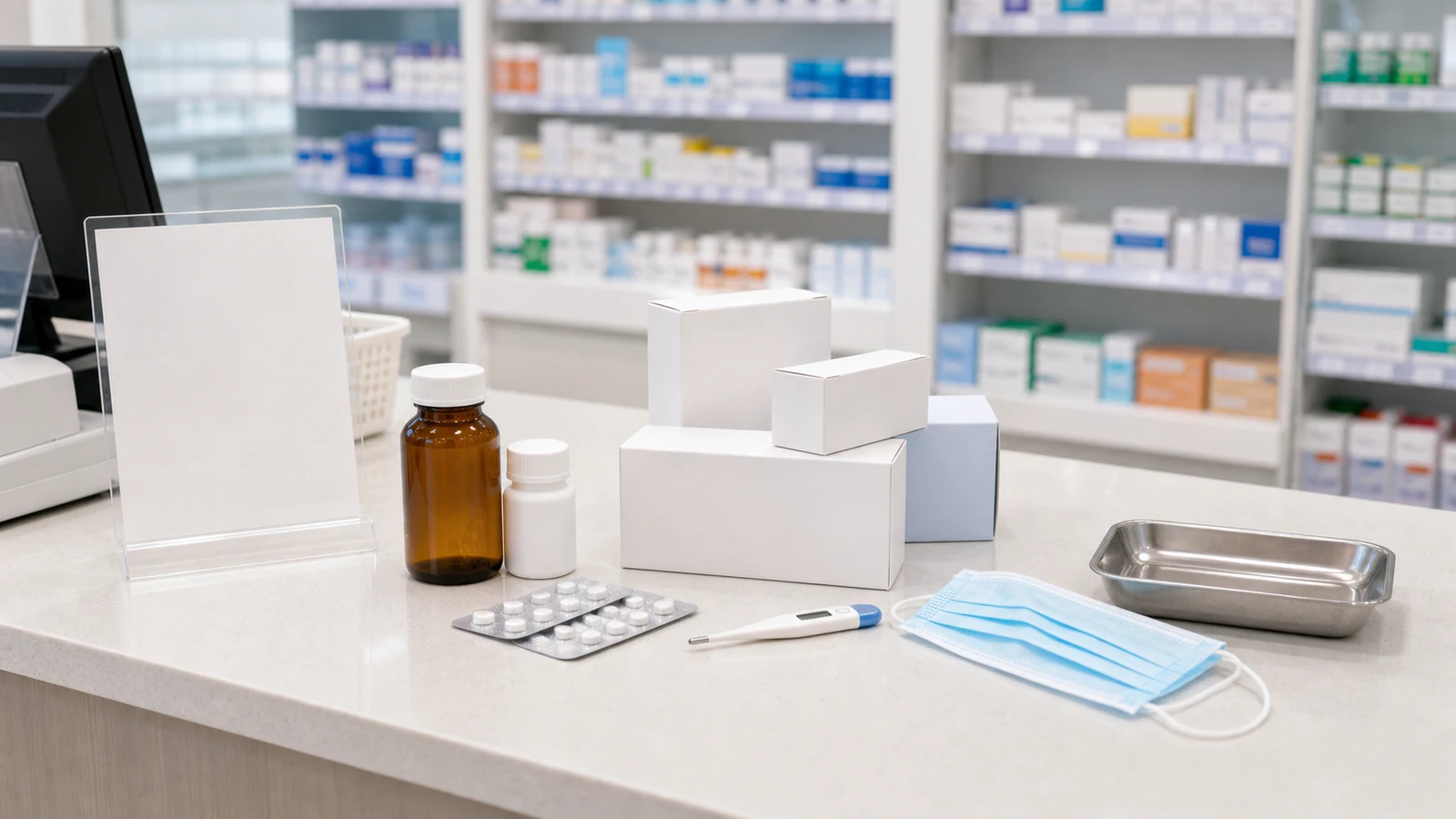
    Text-free illustration for Korean pharmacy words on BSKorean.
    Korean pharmacy words title slide with a realistic Korean pharmacy scene

    You walk into a Korean pharmacy after work. Your throat hurts, your nose is running, and you still need to get through tomorrow morning. The pharmacist asks, 어디가 불편하세요? You know they are asking what is wrong, but you do not know how to explain your symptoms in simple Korean.

    This lesson helps you handle that exact moment. You will learn Korean pharmacy words for cold medicine, symptoms, dosage, drowsiness, allergies, and basic safety questions. The goal is not to replace medical advice. The goal is to help you say the important things clearly and understand the most common instructions at a Korean pharmacy.

    Download the updated pharmacy PPT briefing

    Opening Situation

    In Korea, many people visit a pharmacy, or 약국 (yakguk), when they have mild cold symptoms. You may not need a long conversation. Most pharmacy visits are short. The pharmacist needs to know your main symptom, whether you have allergies, and whether you want medicine that will not make you too sleepy.

    A useful beginner sentence is 감기약 주세요 (gamgiyak juseyo), which means “Please give me cold medicine.” But this sentence is often too general. If you can add one or two symptoms, the pharmacist can guide you better.

    What You Need to Do

    1. Say the main problem: cough, runny nose, fever, sore throat, or body aches.
    2. Ask for cold medicine in a polite and simple way.
    3. Check how many times a day you should take it.
    4. Ask whether it may cause drowsiness if you need to work, drive, or study.
    5. Mention allergies, other medicine, pregnancy, or a serious condition when relevant.

    Core Vocabulary Table

    Korean Romanization English Level Usage Note
    약국 yakguk pharmacy Beginner 1 The place where you buy medicine or ask a pharmacist.
    감기약 gamgiyak cold medicine Beginner 2 Use this when asking for medicine for cold symptoms.
    기침 gichim cough Beginner 2 A common symptom word. You can say 기침이 나요.
    콧물 konmul runny nose Beginner 2 Often used together with 코가 막혀요, meaning stuffy nose.
    목이 아파요 mogi apayo my throat hurts Beginner 2 A full phrase that is easy to use at the counter.
    yeol fever Beginner 2 You can say 열이 있어요, meaning I have a fever.
    몸살 momsal body aches Intermediate 1 Used when your whole body aches from a cold or fatigue.
    두통 dutong headache Intermediate 1 A symptom word used in pharmacies and clinics.
    복용 bogyong taking medicine Intermediate 2 Common on medicine labels and instructions.
    식후 sikhu after meals Intermediate 1 Important dosage word. 식후 30분 means 30 minutes after a meal.
    하루 세 번 haru se beon three times a day Intermediate 1 A common medicine instruction.
    졸릴 수 있어요 jollil su isseoyo it may make you sleepy Intermediate 2 Important if you must work, drive, or study.
    알레르기 allereugi allergy Intermediate 1 Tell the pharmacist if you have an allergy.
    처방전 cheobangjeon prescription Intermediate 2 Some medicine requires a doctor’s prescription.
    부작용 bujagyong side effect Advanced 1 A formal word for an unwanted medicine effect.

    Action Signal Formula

    At a Korean pharmacy, do not try to make a long medical speech. Use a short formula.

    Formula Meaning Example
    Symptom + 있어요 I have a symptom 열이 있어요.
    Symptom + 나요 A symptom is happening 기침이 나요.
    Body part + 아파요 A body part hurts 목이 아파요.
    N 주세요 Please give me N 감기약 주세요.
    N 없나요? Do you have one without N? 졸림 없는 약 없나요?

    For example, 기침이 나고 목이 아파요. 감기약 주세요. means “I have a cough and my throat hurts. Please give me cold medicine.” This is short, polite, and clear.

    Real-Life Dialogue

    Dialogue 1: Asking for cold medicine

    Pharmacist: 어디가 불편하세요?
    Eodiga bulpyeonhaseyo?
    What feels uncomfortable?

    Customer: 기침이 나고 목이 아파요.
    Gichimi nago mogi apayo.
    I have a cough and my throat hurts.

    Pharmacist: 열은 있으세요?
    Yeoreun isseuseyo?
    Do you have a fever?

    Customer: 열은 없어요. 감기약 주세요.
    Yeoreun eopseoyo. Gamgiyak juseyo.
    I do not have a fever. Please give me cold medicine.

    This dialogue shows a natural pharmacy pattern. The pharmacist asks about symptoms, and the customer answers with only the most important details.

    Dialogue 2: Checking drowsiness and dosage

    Customer: 이 약 졸리나요?
    I yak jollinayo?
    Does this medicine make you sleepy?

    Pharmacist: 조금 졸릴 수 있어요.
    Jogeum jollil su isseoyo.
    It may make you a little sleepy.

    Customer: 하루에 몇 번 먹어요?
    Harue myeot beon meogeoyo?
    How many times a day should I take it?

    Pharmacist: 하루 세 번, 식후에 드세요.
    Haru se beon, sikhu-e deuseyo.
    Take it three times a day, after meals.

    The word 먹어요 literally means “eat,” but Korean speakers often use it naturally for taking medicine. Pharmacists may also use the more formal word 드세요, meaning “please take.”

    Common Mistakes

    Common Mistake 1: Saying only “감기약 주세요”

    Why it happens: Beginners often learn one useful sentence and use it for every cold situation.

    Correct understanding: 감기약 주세요 is useful, but symptoms matter. Add one or two words such as 기침, 콧물, 열, or 목이 아파요.

    Better example: 기침이 나고 콧물이 나요. 감기약 주세요.

    Common Mistake 2: Ignoring 졸릴 수 있어요

    Why it happens: Learners may focus only on the medicine name and miss the warning.

    Correct understanding: 졸릴 수 있어요 means the medicine may make you sleepy. This matters before driving, operating equipment, studying, or working a long shift.

    Useful question: 이 약 졸리나요?

    Common Mistake 3: Confusing 식전 and 식후

    Why it happens: Both words are short and often appear on labels.

    Correct understanding: 식전 means before meals. 식후 means after meals. Most cold medicine instructions at pharmacies may include 식후, but you should check the label or ask.

    Useful question: 식전에 먹어요, 식후에 먹어요?

    Common Mistake 4: Not mentioning allergies or other medicine

    Why it happens: Some learners think a pharmacy visit is too short to mention medical details.

    Correct understanding: If you have allergies, take other medicine, are pregnant, or have a serious condition, say it clearly or use a translation app. A short phrase such as 알레르기가 있어요 is important.

    Mini Quiz

    1. Question 1: What does 약국 mean?
      Answer: pharmacy.
      Explanation: 약국 is the place where you buy medicine and speak with a pharmacist.
    2. Question 2: You have a sore throat. Which phrase is best?
      A. 목이 아파요. B. 처방전 있어요. C. 하루 세 번.
      Answer: A.
      Explanation: 목이 아파요 means “My throat hurts.”
    3. Question 3: What does 하루 세 번 mean?
      Answer: three times a day.
      Explanation: 하루 means one day, 세 means three, and 번 means times.
    4. Question 4: What should you ask if you need to avoid sleepy medicine?
      Answer: 이 약 졸리나요?
      Explanation: This asks whether the medicine may cause drowsiness.
    5. Question 5: What is the difference between 식전 and 식후?
      Answer: 식전 means before meals, and 식후 means after meals.
      Explanation: These are important dosage timing words.

    Review Table

    Korean Meaning Best Situation Beginner Tip
    감기약 cold medicine asking for medicine Add your symptom if possible.
    기침 cough explaining symptoms Say 기침이 나요.
    콧물 runny nose explaining symptoms Often appears with cold symptoms.
    fever checking severity Say 열이 있어요 or 열은 없어요.
    식후 after meals dosage instructions Check if the medicine is taken after meals.
    하루 세 번 three times a day dosage frequency Look for the number before 번.
    졸릴 수 있어요 may cause drowsiness safety warning Ask before work or driving.
    알레르기 allergy safety information Mention it before buying medicine.

    Practice This Set

    Practice this word list in Learn Korean or in the upcoming BS3001 app. Use the quiz mode to review Korean pharmacy words until you can recognize the Korean word first and choose the English meaning quickly.

    Practice Korean Pharmacy Words

    For official medicine and safety information in Korea, check the English site of the Ministry of Food and Drug Safety.

    Related Lessons

    Conclusion

    A Korean pharmacy visit becomes easier when you focus on three things: your symptom, the medicine request, and the dosage instruction. Start with short phrases like 기침이 나요, 목이 아파요, and 감기약 주세요. Then check words such as 식후, 하루 세 번, and 졸릴 수 있어요.

    These Korean pharmacy words are practical for daily life, but they are also useful for workers, students, and travelers who need to solve a small health problem in Korea without a long conversation.

    Practice This Lesson

    Review words from this lesson with quiz cards and browser-based review history.
    Practice pharmacy words
