Taxi Korean starts with the destination. Say 여기로 가 주세요, “please go here,” while showing the address. Then use short phrases for payment, stops, and directions.
Korean taxi ride words helps learners practice Korean words in real situations. This BSKorean post keeps the lesson clear, scannable, and connected to app practice.
Taking a taxi in Korea is usually simple, but it can feel fast if you are still learning Korean. You may need to say where you are going, ask about payment, or tell the driver where to stop. This lesson gives you practical Korean taxi words and short phrases you can use from the curb to the moment you get out.
Use these phrases as a calm script. You do not need long sentences. A clear place name plus 주세요 is often enough.
1. Starting the Ride
If the taxi is stopping at a safe curb, you can confirm that it is okay to get in.
택시를 타요. taeksi-reul tayo I take a taxi.
여기서 타면 돼요? yeogiseo tamyeon dwaeyo? Can I get in here?
Key words:
Korean
Romanization
Meaning
택시
taeksi
taxi
타다
tada
to ride, to get in
2. Confirming the Destination
Say your destination before the taxi starts moving. If the place name is difficult, say the area first, then the exact building or address.
OO까지 가 주세요. OO-kkaji ga juseyo Please go to OO.
주소는 여기예요. juso-neun yeogiyeyo The address is here.
Key words:
Korean
Romanization
Meaning
목적지
mokjeokji
destination
주소
juso
address
까지
kkaji
to, as far as
가 주세요
ga juseyo
please go
3. Fare and Payment
When you are not sure what to say at the end of the ride, keep the payment phrase short.
요금이 얼마예요? yogeum-i eolmayeyo? How much is the fare?
카드로 결제할게요. kadeu-ro gyeolje-halgeyo I will pay by card.
Key words:
Korean
Romanization
Meaning
요금
yogeum
fare, fee
미터기
miteogi
taxi meter
카드
kadeu
card
결제
gyeolje
payment
4. Asking the Taxi to Stop Nearby
It is better to ask for a nearby safe stop than to demand an exact stop in traffic. Use 근처 when the exact curb is not possible.
여기 근처에 세워 주세요. yeogi geuncheo-e sewo juseyo Please stop near here.
저기 앞에서 내려 주세요. jeogi apeseo naeryeo juseyo Please let me get out up there.
Key words:
Korean
Romanization
Meaning
근처
geuncheo
nearby
세워 주세요
sewo juseyo
please stop
내리다
naerida
to get out
5. Receipt and Belongings
Before you leave, check your bag and wallet. If you need a receipt, ask before closing the door.
영수증 주세요. yeongsujeung juseyo Please give me a receipt.
물건을 놓고 내렸어요. mulgeon-eul noko naeryeosseoyo I left something behind.
Key words:
Korean
Romanization
Meaning
영수증
yeongsujeung
receipt
물건
mulgeon
item, belongings
Quick Review
Situation
Korean phrase
Meaning
Getting in
여기서 타면 돼요?
Can I get in here?
Destination
OO까지 가 주세요.
Please go to OO.
Address
주소는 여기예요.
The address is here.
Payment
카드로 결제할게요.
I will pay by card.
Stop nearby
여기 근처에 세워 주세요.
Please stop near here.
Receipt
영수증 주세요.
Please give me a receipt.
For more practical daily-life lessons, see the BSKorean learning app page and the practice page. If you are studying transportation Korean, you may also find the bus stop and parking lot lessons useful.
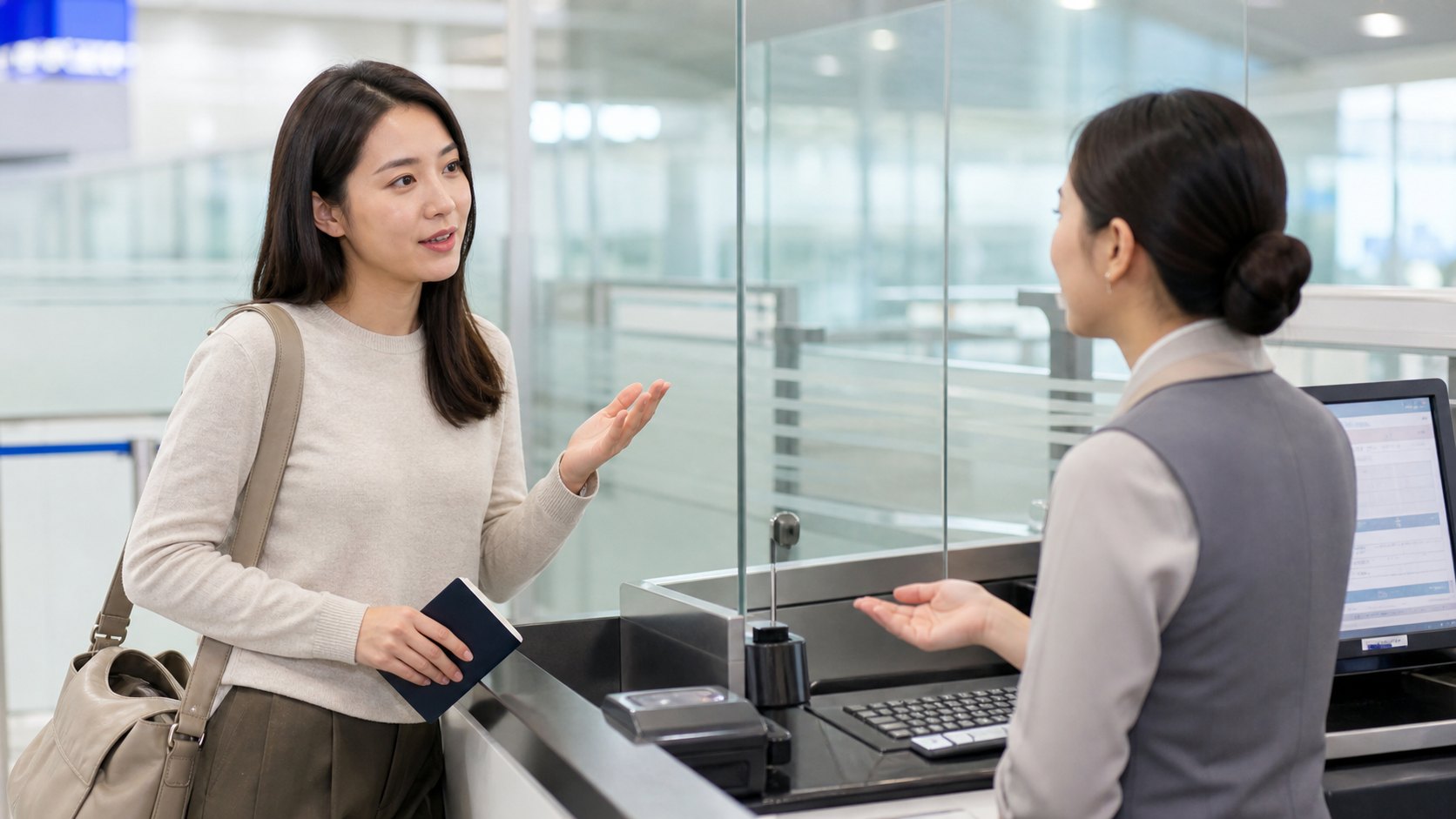
Airport immigration Korean should be short and calm. Keep your passport ready and learn 여권 여기 있어요, “here is my passport,” plus 비자, 입국 신고서, 주소, and 방문 목적.
Immigration moment
Korean
Meaning
Passport
여권 여기 있어요
Here is my passport.
Purpose
방문 목적은 공부예요
The purpose of visit is study.
Address
한국 주소는 여기예요
My Korean address is here.
Question
천천히 말해 주세요
Please speak slowly.
If you do not understand a question, do not guess. Ask politely and show your documents. Related travel lessons: hotel check-in words and public office words.
Korean airport immigration words guide
Korean airport immigration words helps learners practice Korean words in real situations. This BSKorean post keeps the lesson clear, scannable, and connected to app practice.
Arriving at an airport in Korea feels easier when you can recognize the words around immigration, baggage claim, and customs. This lesson teaches practical Korean airport immigration words for foreign residents and travelers: passport, arrival, purpose of visit, address, baggage, customs declaration, transfer, exit, and help desk phrases.
These phrases are for communication practice only. They are not legal advice. Use them to answer simple questions clearly, ask for repetition, and find the next airport step.
After landing, follow the arrival path and ask where immigration is if needed.
1. Arrive and Follow Immigration Signs
After landing, follow the signs for arrival and immigration. If you are not sure where to go, ask a staff member before joining the wrong line.
입국 심사는 어디예요? ipguk simsa-neun eodiyeyo? Where is immigration inspection?
Korean
Romanization
Meaning
공항
gonghang
airport
도착
dochag
arrival
입국
ipguk
entry / arrival into a country
입국 심사
ipguk simsa
immigration inspection
2. Prepare Passport and Basic Answers
Keep your passport ready and answer basic questions in short sentences.
At the counter, keep your passport and basic travel information ready. Speak in short sentences if you are nervous.
여권 여기 있습니다. yeogwon yeogi itseumnida Here is my passport.
Korean
Romanization
Meaning
여권
yeogwon
passport
비자
bija
visa
체류 기간
cheryu gigan
length of stay
방문 목적
bangmun mokjeok
purpose of visit
3. Ask for a Repeat or Slower Explanation
Ask staff to repeat slowly when a question is unclear.
If you do not understand a question, it is okay to ask the officer or airport staff to repeat it slowly.
천천히 다시 말씀해 주세요. cheoncheonhi dasi malsseumhae juseyo Please say it again slowly.
Korean
Romanization
Meaning
질문
jilmun
question
주소
juso
address
숙소
sukso
accommodation
다시
dasi
again
4. Find Baggage Claim and Customs
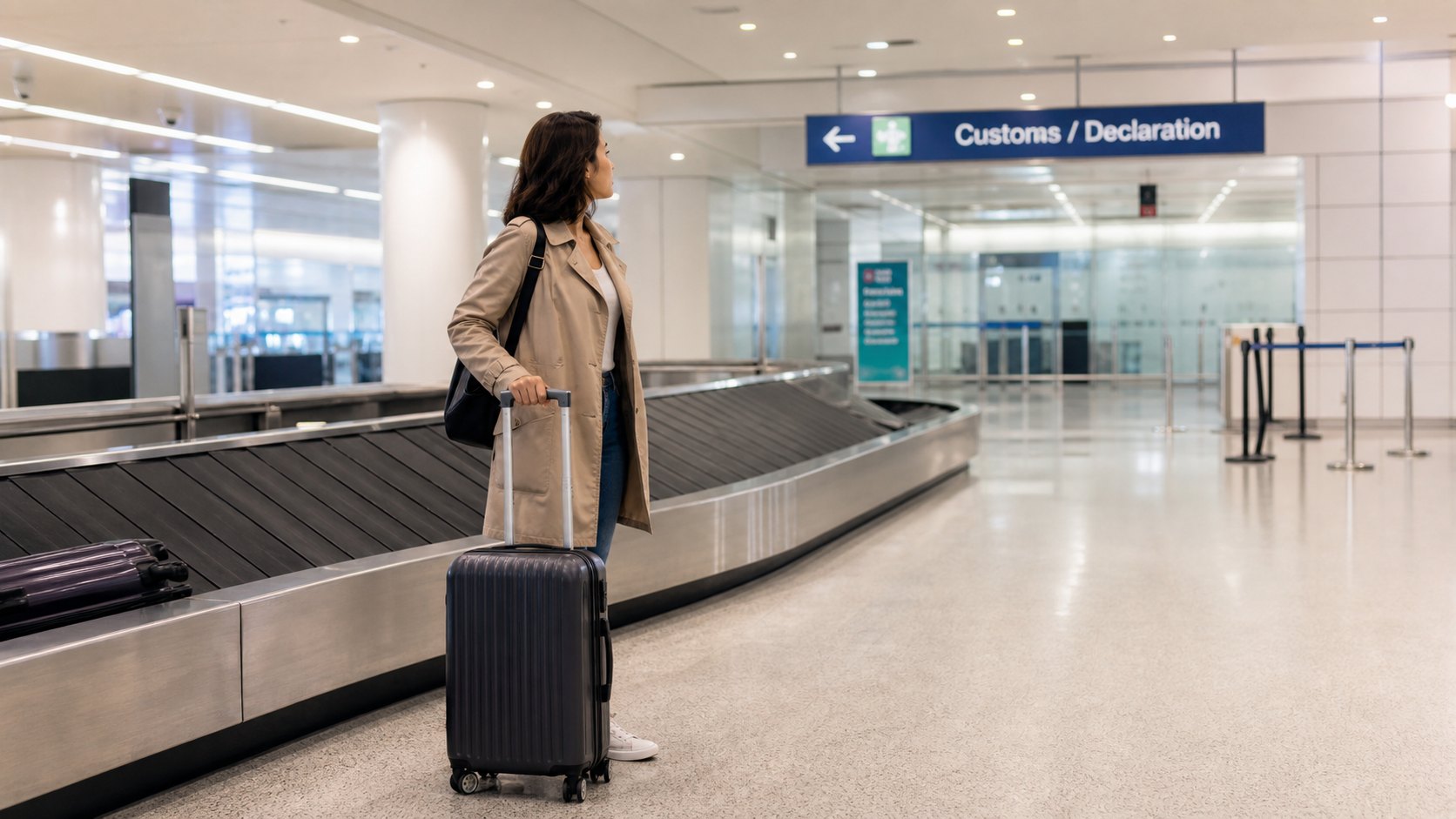
After immigration, find baggage claim and then customs.
After immigration, go to baggage claim and then customs. Keep any declaration form or related question simple and honest.
수하물 찾는 곳은 어디예요? suhamul chatneun goseun eodiyeyo? Where is baggage claim?
Korean
Romanization
Meaning
수하물
suhamul
baggage
수하물 찾는 곳
suhamul chatneun got
baggage claim
세관
segwan
customs
신고서
singoseo
declaration form
5. Ask About Transfer or Exit
Confirm whether you need a transfer route or the exit.
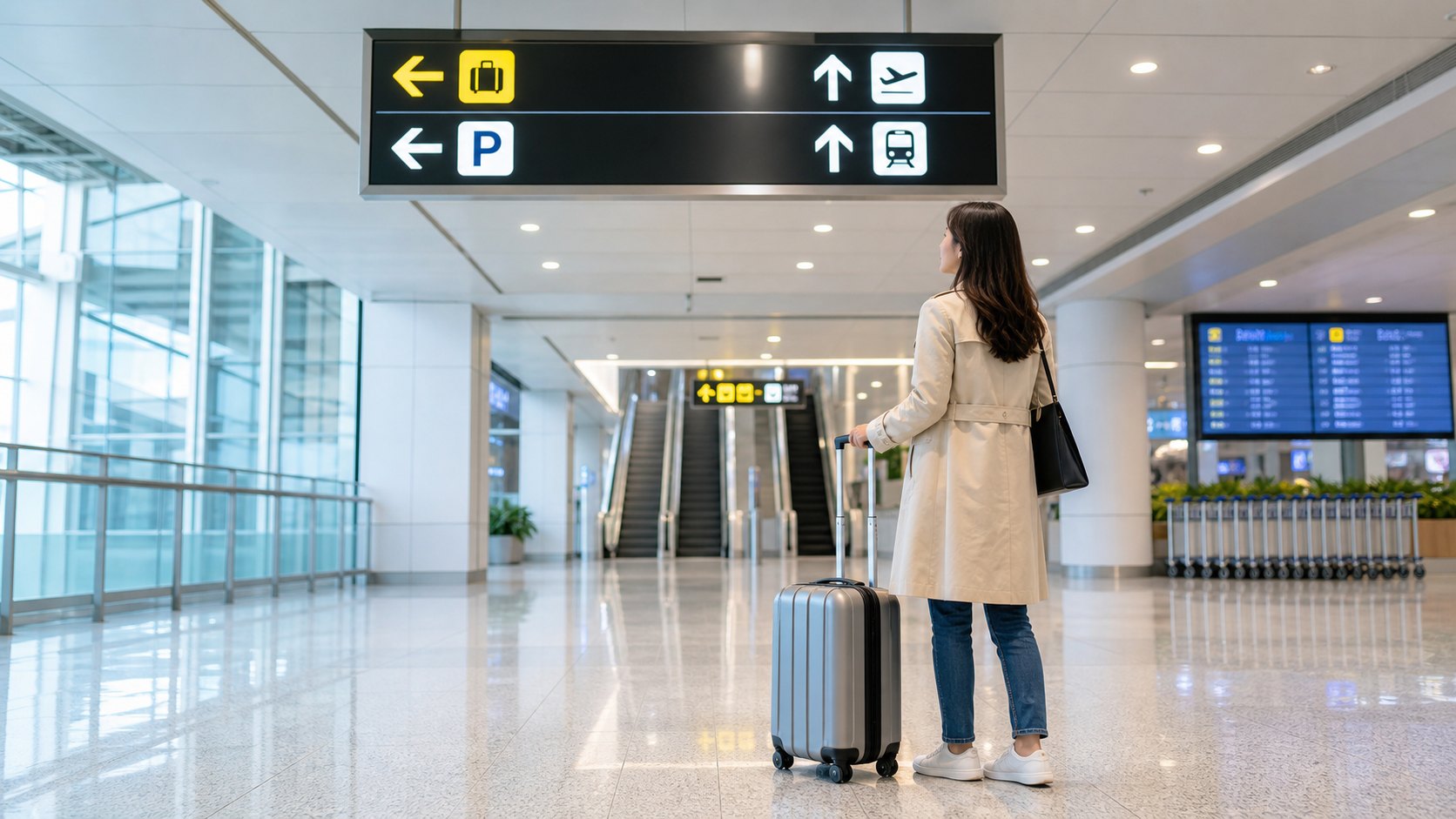
Some passengers need a transfer, and others need the airport exit. Confirm the direction before leaving the secure area.
환승은 어디로 가요? hwanseung-eun eodiro gayo? Where do I go for transfer?
Korean
Romanization
Meaning
환승
hwanseung
transfer
출구
chulgu
exit
게이트
geiteu
gate
안내
annae
information / guidance
6. Use a Help Desk Phrase
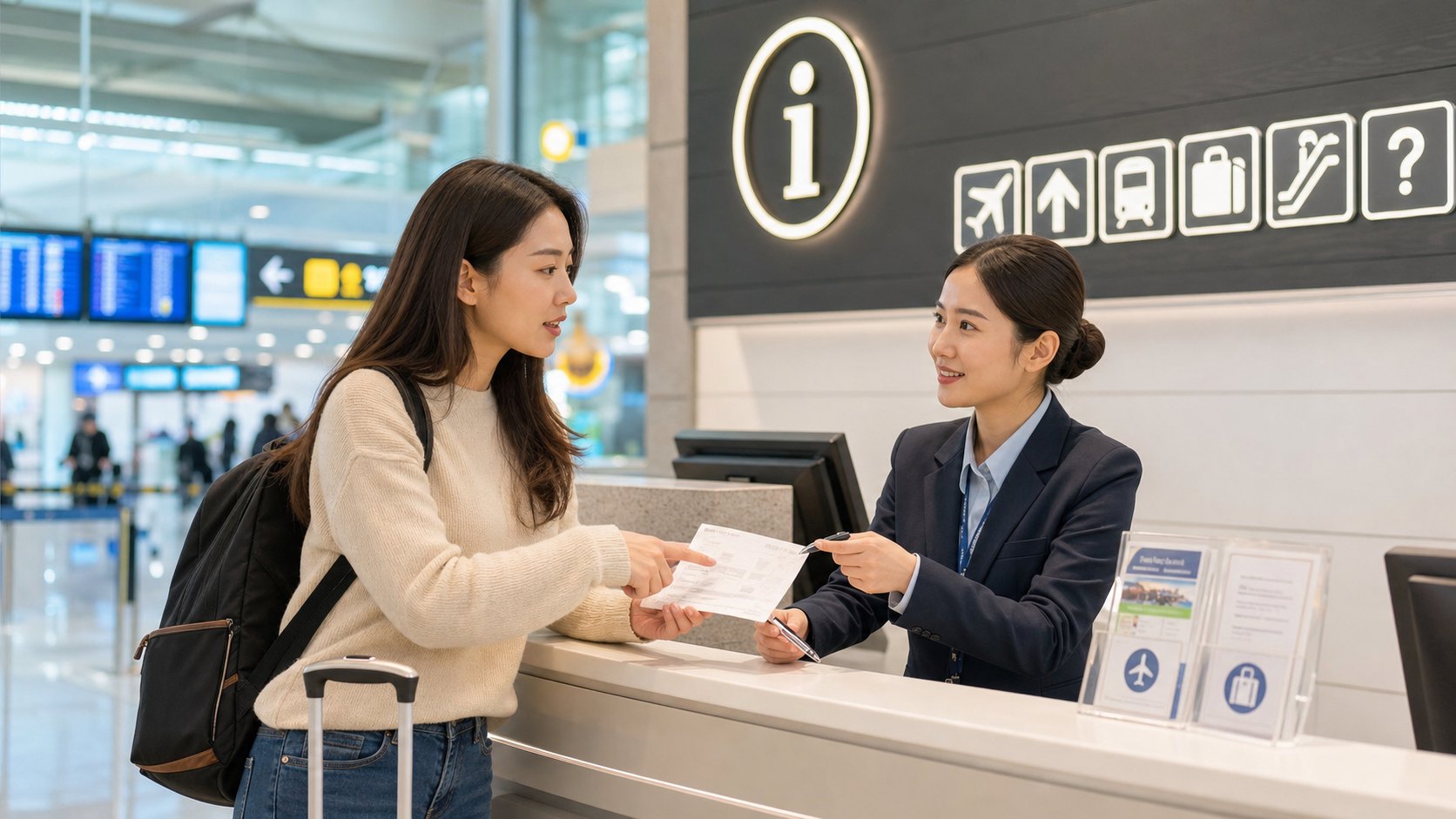
Use a polite help phrase when the next airport step is unclear.
When the next step is unclear, go to an information desk and show your boarding pass, address, or destination only to staff who need it.
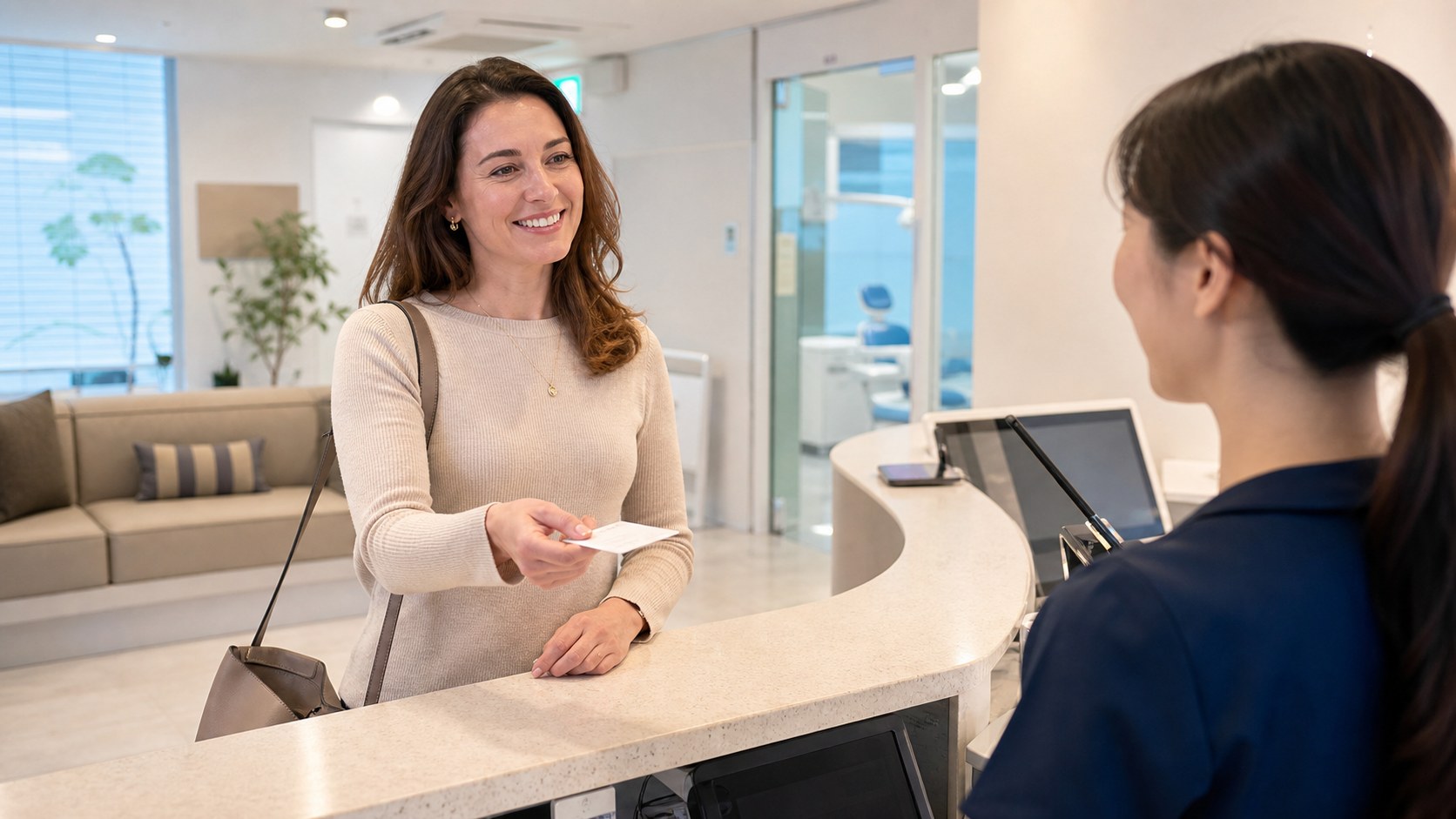
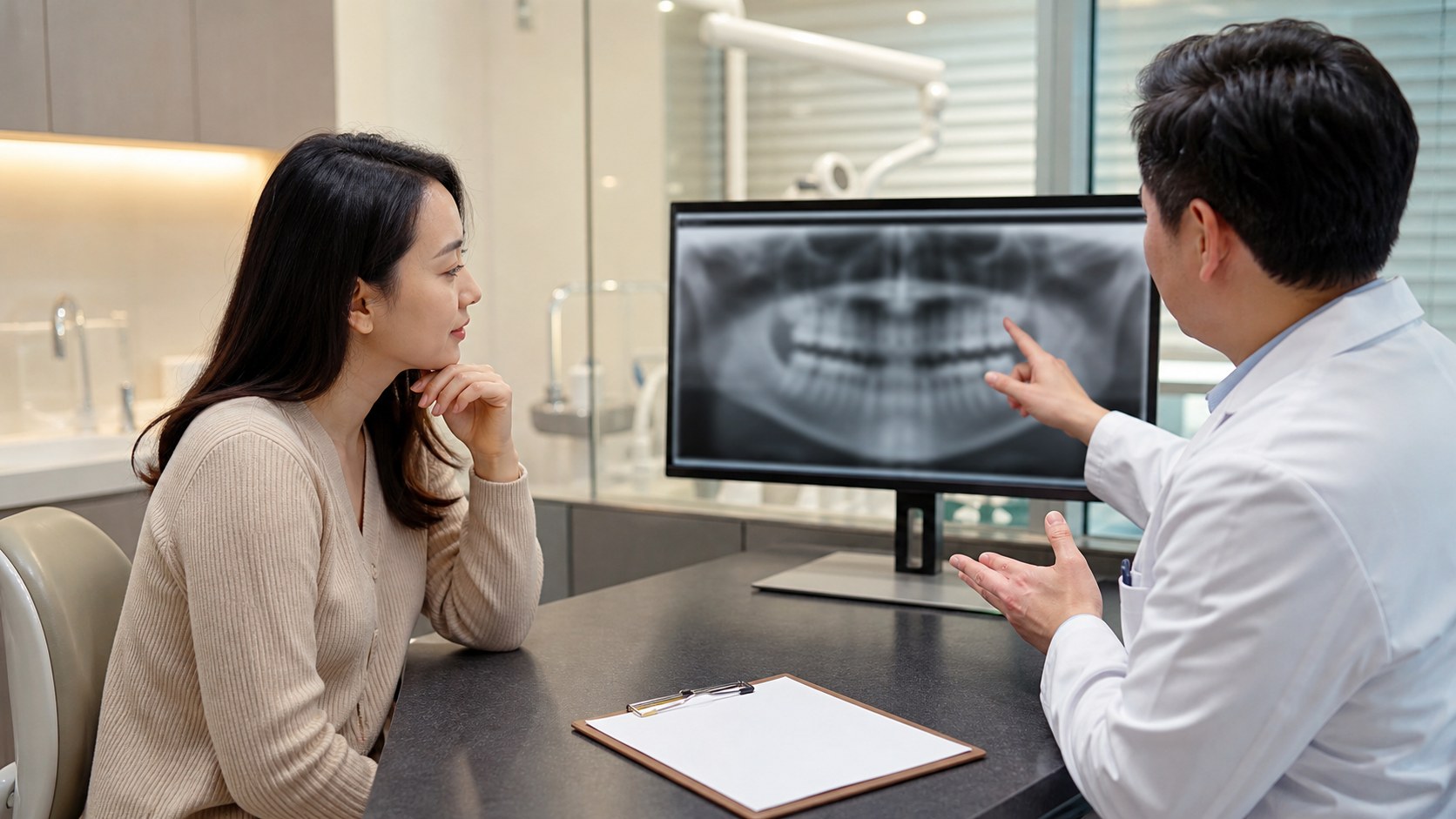
At a Korean dental clinic, start with the problem. Say 이가 아파요, “my tooth hurts,” or 예약하고 싶어요, “I want to make an appointment.” Then listen for 충치, 엑스레이, and 마취.
Korean dental clinic words helps learners practice Korean words in real situations. This BSKorean post keeps the lesson clear, scannable, and connected to app practice.
A dental clinic visit in Korea is much easier when you can say the problem clearly and recognize the words at reception. This lesson teaches practical Korean dental clinic words for foreign residents: appointment, check-in, tooth pain, X-ray, treatment options, payment, prescription, and follow-up.
Use these words as short, safe phrases. They are not medical advice. They help you explain what you feel and ask what the clinic needs next.
Start by saying you have an appointment at reception.
1. Check In at the Dental Clinic
At the reception desk, start with your appointment or ask whether walk-in treatment is possible. If you have a residence card or insurance card, show it only to clinic staff.
예약했어요. yeyakhaesseoyo I have an appointment.
Korean
Romanization
Meaning
치과
chigwa
dental clinic / dentistry
예약
yeyak
appointment
접수
jeopsu
reception / check-in
문진표
munjinpyo
medical questionnaire
2. Explain Tooth Pain Simply
Point to the area and say the pain phrase clearly.
You do not need a long explanation. Pointing to the area and saying one clear phrase is often enough to begin the consultation.
이가 아파요. i-ga apayo My tooth hurts.
Korean
Romanization
Meaning
치통
chitong
toothache
잇몸
itmom
gums
시려요
siryeoyo
it feels sensitive / cold-sensitive
붓다
butda
to swell
3. Understand X-Ray and Consent Words
Ask for another explanation before agreeing to the next step.
The dentist may ask for an X-ray before explaining the treatment. If you do not understand, ask them to explain again before you agree.
다시 설명해 주세요. dasi seolmyeonghae juseyo Please explain it again.
Korean
Romanization
Meaning
엑스레이
ekseurei
X-ray
검사
geomsa
exam / test
동의서
dong-uiseo
consent form
설명
seolmyeong
explanation
4. Ask About Treatment Options and Cost
Check the treatment name and fee before deciding.
Dental words can sound difficult, so focus on the decision words first: what treatment is needed, whether it is urgent, and how much it costs.
치료비는 얼마예요? chiryobi-neun eolmayeyo? How much is the treatment fee?
Korean
Romanization
Meaning
충치
chungchi
cavity
스케일링
seukeilling
dental cleaning / scaling
마취
machwi
anesthesia
치료비
chiryobi
treatment fee
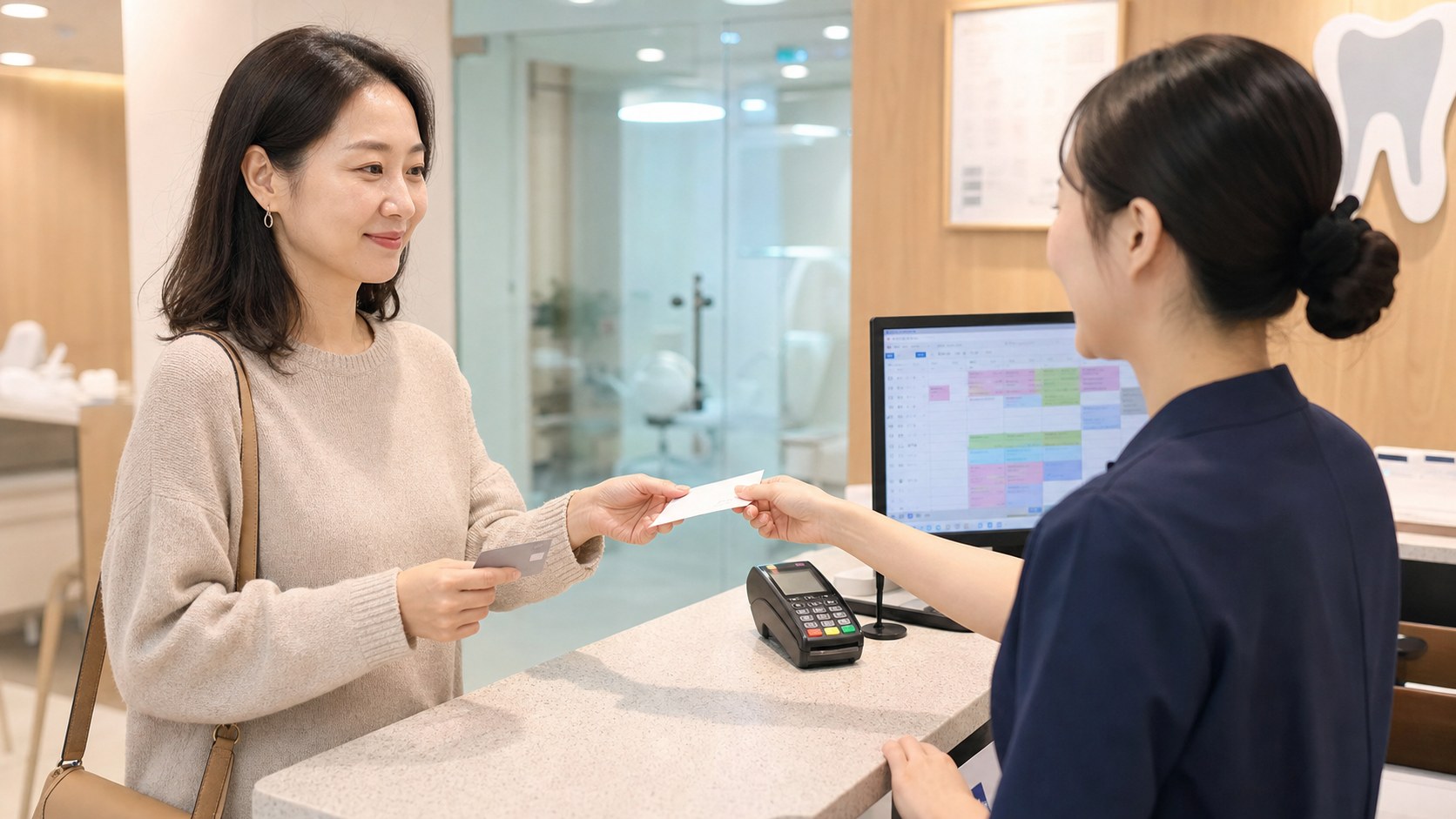
5. Pay and Book a Follow-Up
Confirm the receipt, prescription, and next appointment.
After treatment or consultation, check the fee, prescription, and next appointment before leaving the clinic.
다음 예약을 잡고 싶어요. daeum yeyak-eul japgo sipeoyo I would like to make the next appointment.
Korean
Romanization
Meaning
수납
sunap
payment desk / payment
영수증
yeongsujeung
receipt
처방전
cheobangjeon
prescription
다음 예약
daeum yeyak
next appointment
6. Listen for Aftercare Instructions
Ask what to avoid and when to take medicine after treatment.
Before you leave, ask what to avoid and when to take medicine. This is especially useful after cleaning, filling, extraction, or other treatment.
주의사항을 알려 주세요. juuisahang-eul allyeo juseyo Please tell me the precautions.
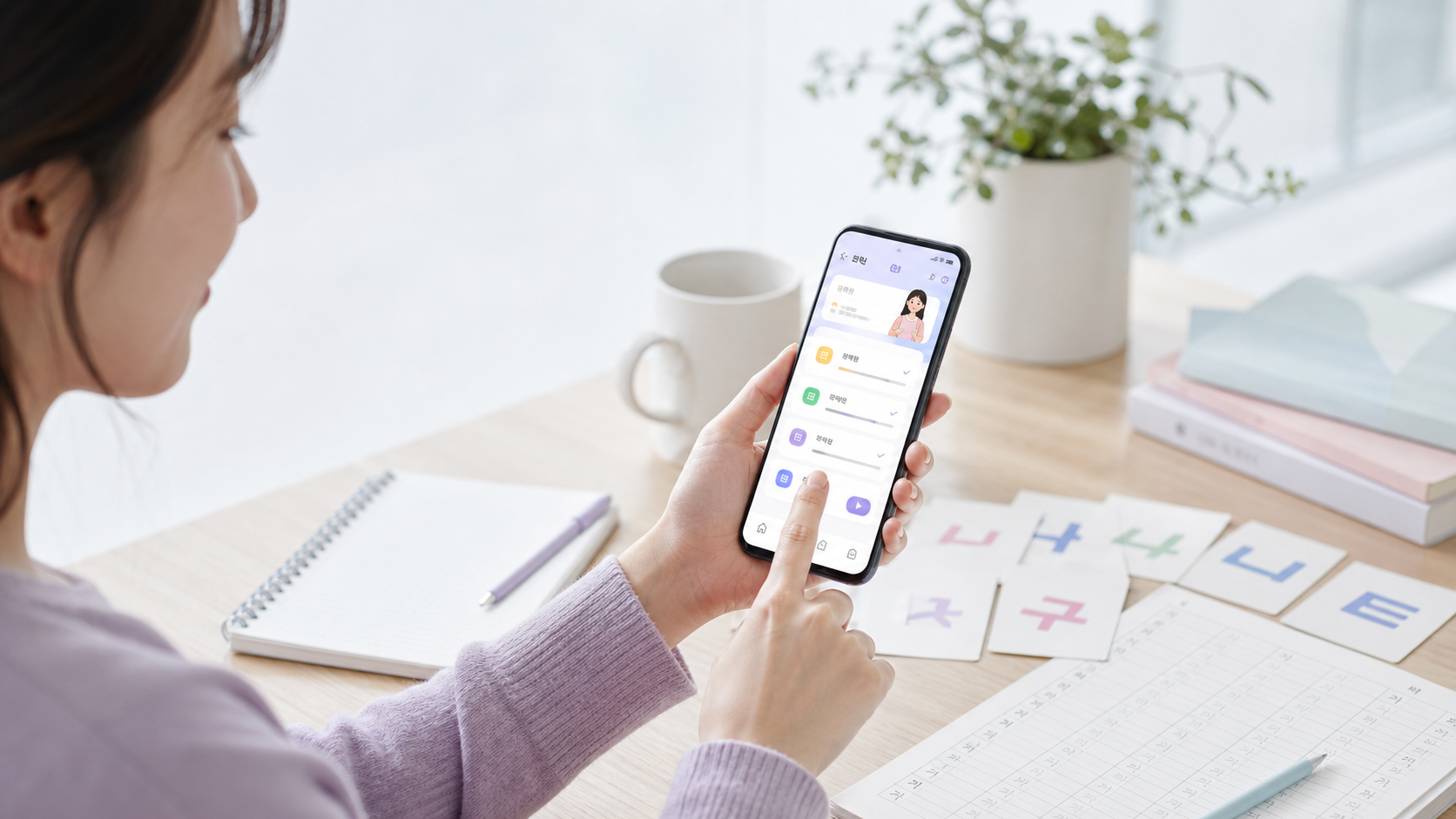
This page is for people who want to test the BSKorean learning app and send practical feedback. A useful tester checks whether Korean words, example sentences, quizzes, level tests, and mobile screens are clear on a real device.
Tester task
What to check
Helpful feedback
Learning flow
Open the app and try a lesson
Which step felt confusing?
Mobile screen
Check buttons and text size
Device model and screenshot area
Learn Korean
Try Korean words and examples
Which word or sentence looked wrong?
Privacy
Do not send passwords or codes
Describe the issue without secrets
Start with the BSKorean app, then try the level test. When reporting a problem, include the page URL, device type, browser, and what you expected to happen.
Good tester notes are specific. Write the exact page, the button you pressed, the message you saw, and whether the issue happened once or every time. Useful reports do not include passwords, login codes, private messages, or screenshots that show someone else’s personal information.
BSKorean app tester guide
BSKorean app tester helps learners practice Korean words in real situations. This BSKorean post keeps the lesson clear, scannable, and connected to app practice.
BSKorean is preparing practical Korean lessons for Android app users. We are recruiting Google Play testers who can install the app, try short learning sessions, and send simple feedback.
한국어 안내
BSKorean 안드로이드 앱 비공개 테스트에 참여할 테스터를 모집합니다. 한국어를 일상생활, 업무, 여행, 공공서비스 상황에서 배우고 싶은 분이면 신청할 수 있습니다.
신청은 william3001v@gmail.com 으로 보내 주세요. 메일에는 Google Play 이메일 주소, 안드로이드 휴대폰 기종, 거주 국가와 주로 쓰는 언어, 연습하고 싶은 한국어 상황을 적어 주세요.
요청된 테스트 과정을 완료하고 사용할 수 있는 피드백을 보내 주신 분에게는 완료 확인 후 계좌이체로 5,000원을 지급합니다. 계좌 정보는 테스트 완료가 확인된 뒤에만 요청합니다.
Who can apply
You use an Android phone with Google Play.
You want to learn Korean for daily life, work, travel, or public services.
You can test short Learn Korean sessions and tell us what was easy or confusing.
How to apply
Send an email to william3001v@gmail.com with the subject BSKorean App Tester Application.
Your Google Play email address
Your Android phone model
Your country and main language
One Korean situation you want to practice
Tester reward
Testers who complete the requested test flow and send usable feedback will receive KRW 5,000 by bank transfer. We will ask for bank account details only after completion is confirmed.
After your email arrives, we will review it and send the next testing instructions. Testers may be asked to install the closed test version, open the app during the test period, and send brief feedback about lessons, Learn Korean, login, and screen layout. Completion means following the requested test steps and submitting usable feedback.
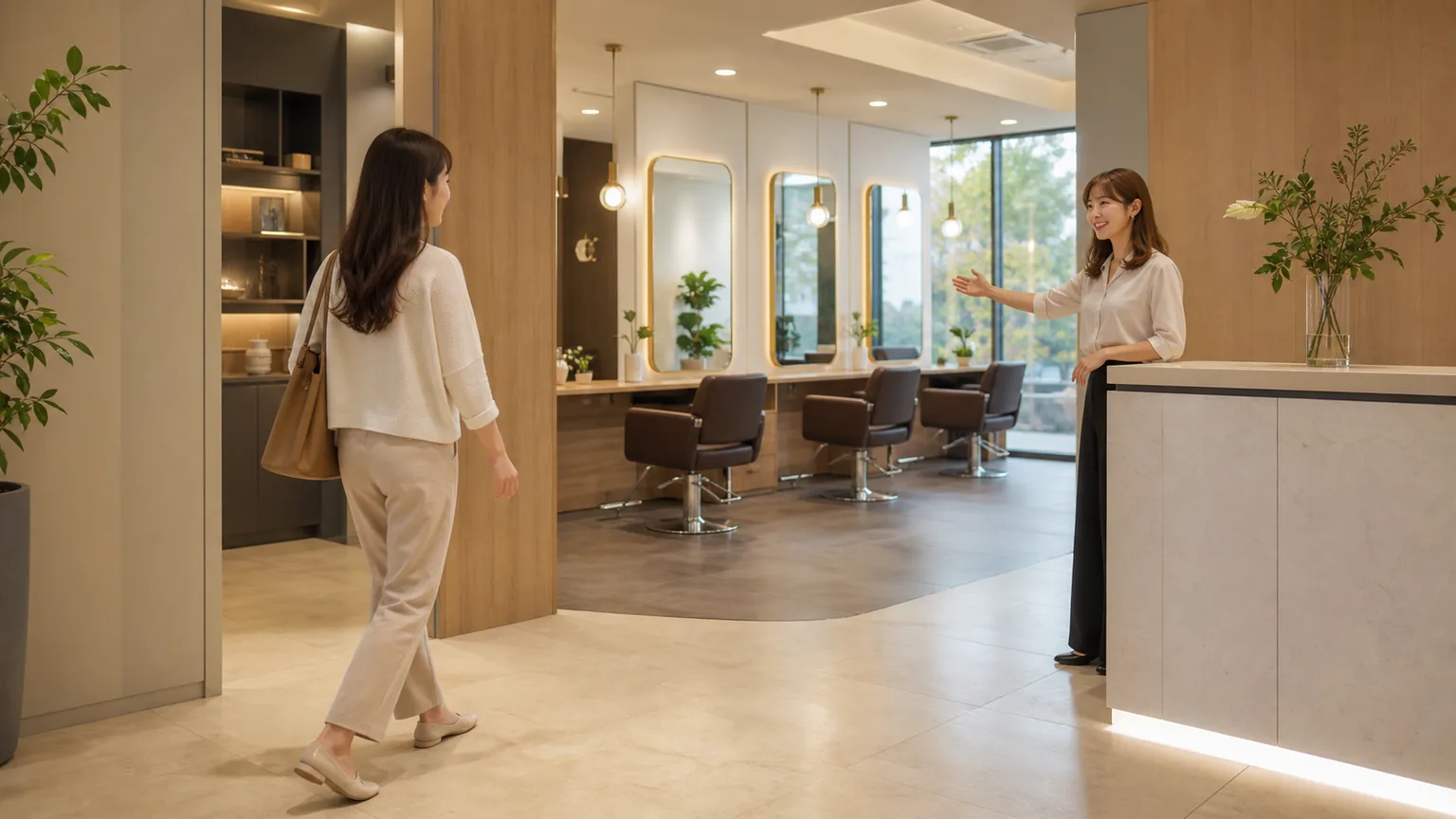
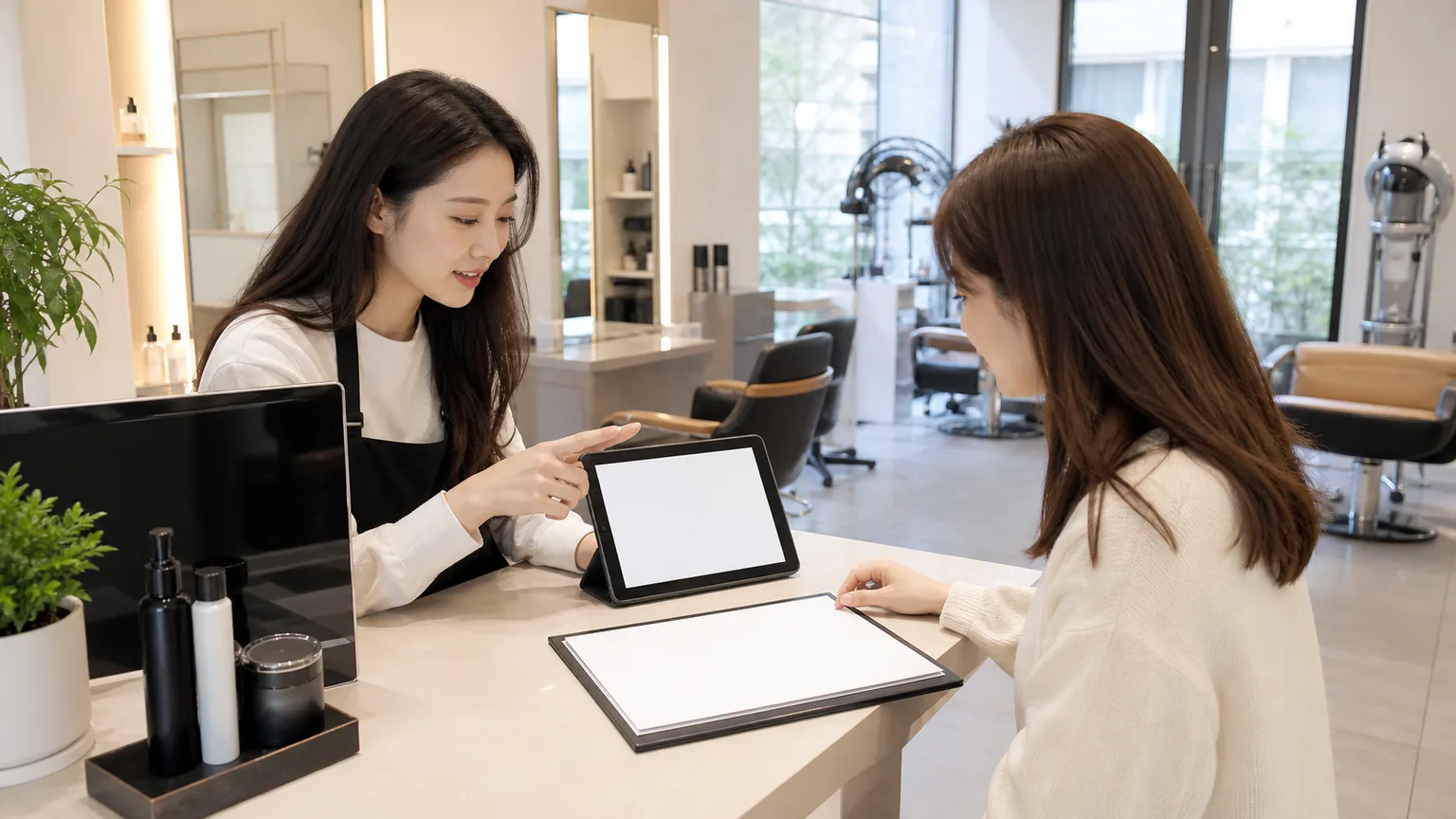
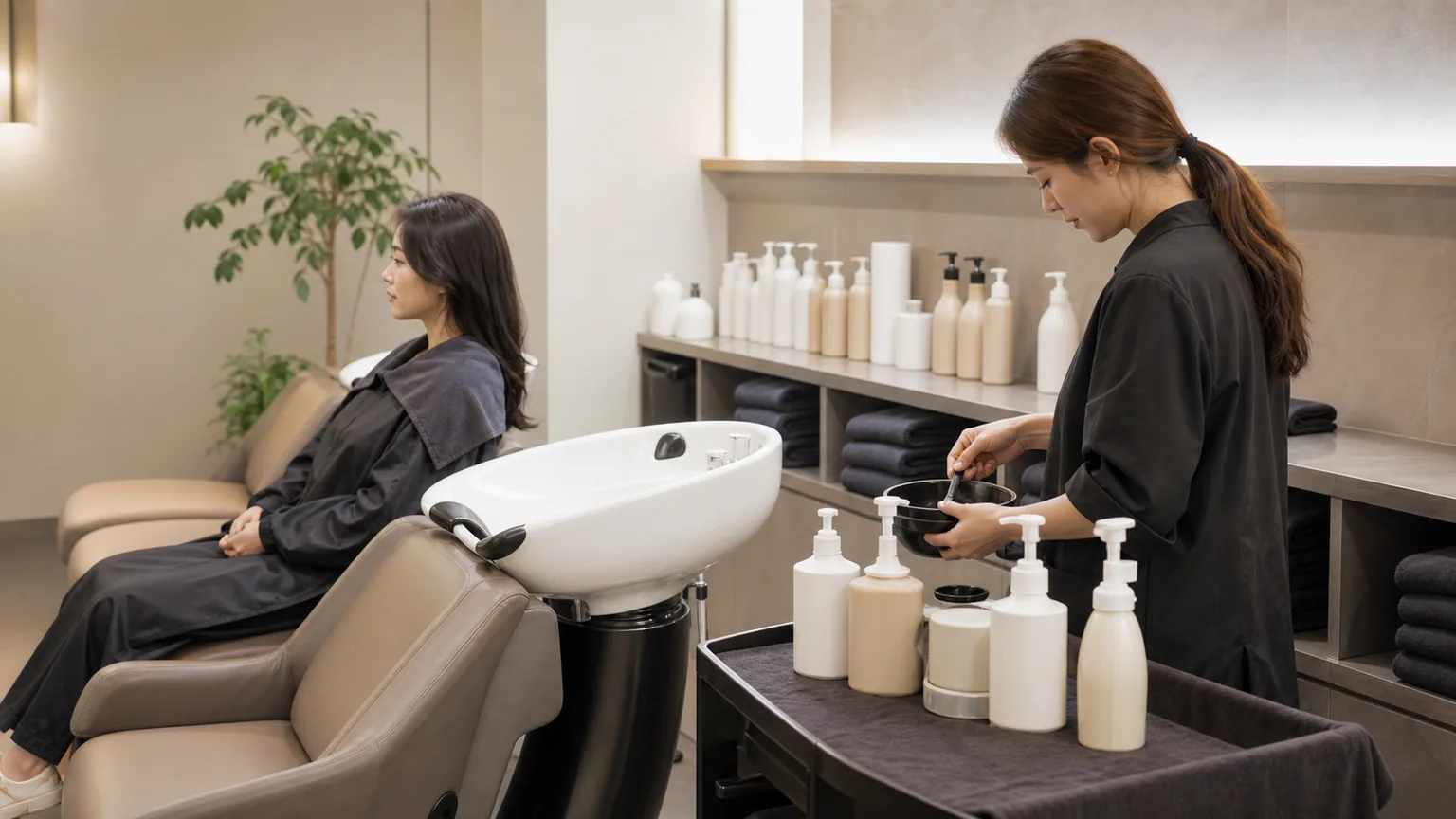
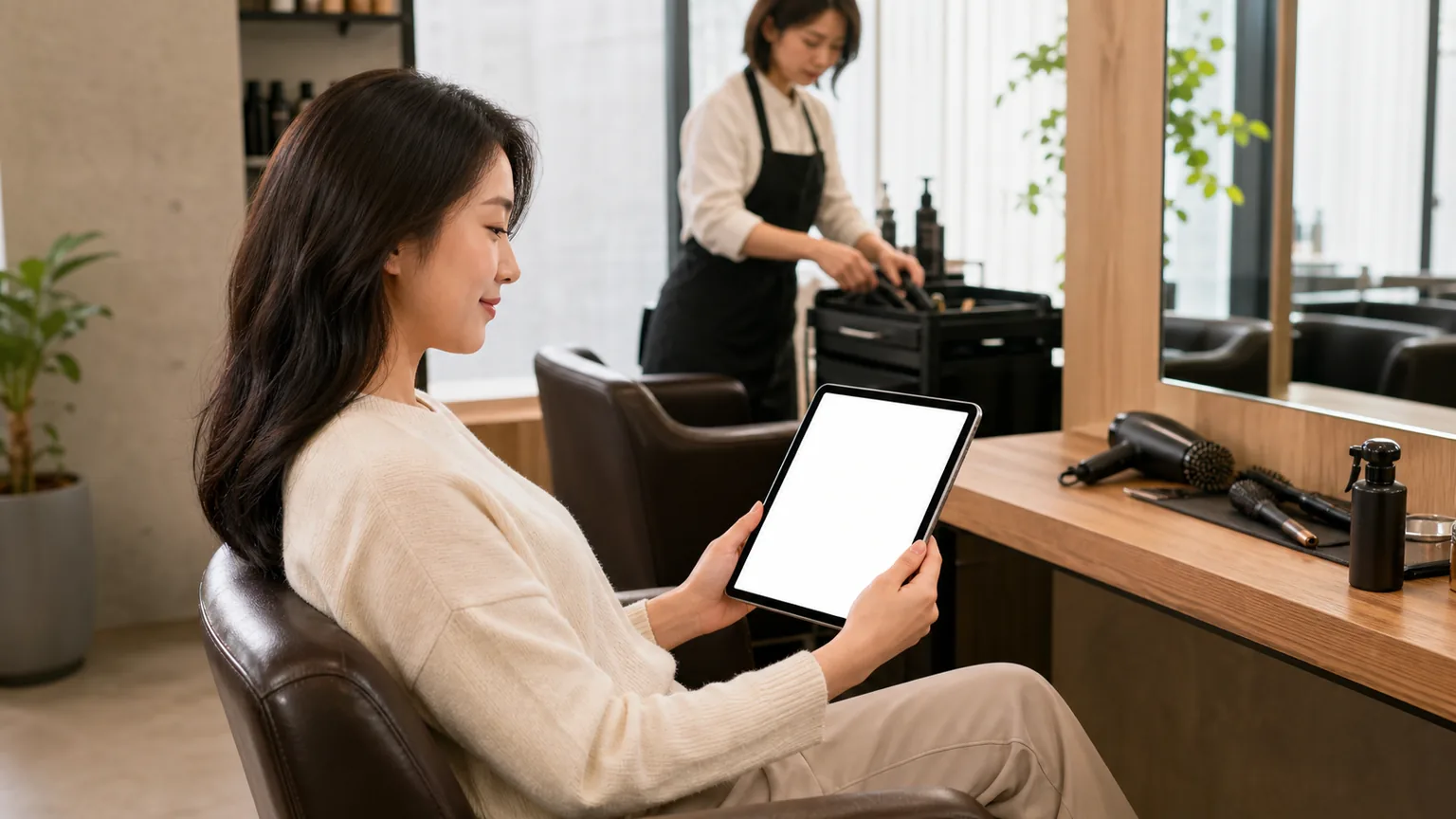
hair salon words helps learners practice Korean words in real situations. This BSKorean post keeps the lesson clear, scannable, and connected to app practice.
Hair salon words are useful when you book a haircut, explain bangs or length, ask for a trim, check shampoo or styling, compare color or perm services, and pay at a Korean salon. This lesson teaches hair salon words by service step, so you can follow the conversation before the work starts.
Start by identifying the service step: appointment, haircut, treatment, style, price, or payment.
Briefing Summary
Situation
Using a Korean hair salon for an appointment, haircut, bangs, trim, color, perm, styling, price, or payment question
Practice focus
salon place, appointment, haircut request, hair length, trimming, dyeing, perm, shampoo, blow-dry, price, cash, and card payment words
Useful for
foreign residents, students, workers, and new arrivals using salon services in Korea
Study time
8-12 minutes
Slide 1. The Situation
Imagine you enter a 미용실 and the staff asks about your 예약. The conversation may move quickly from 커트 to 앞머리, 길이, or 짧게. First decide the service step: appointment, haircut, trim, treatment, styling, price, or payment.
This post is a Korean language lesson, not beauty, medical, allergy, pricing, refund, or contract advice. For exact prices, chemical services such as dyeing or perms, allergy concerns, refunds, timing, and style outcomes, confirm directly with salon staff and written terms.
Slide 2. Key Hair Salon Words
Appointment and price words often appear before the service starts.
Korean
Romanization
English
Level
Use
미용실
miyongsil
hair salon
BS1
The place where you get a haircut or salon service.
예약
yeyak
reservation; appointment
BS1
The appointment or reservation time.
커트
keoteu
haircut
BS2
The haircut service.
앞머리
apmeori
bangs; fringe
BS2
Bangs or fringe near the forehead.
길이
giri
length
BS2
Hair length or the amount to cut.
다듬다
dadeumda
to trim
BS3
A small trim, not a major cut.
짧게
jjalpge
short; shorter
BS2
A request to make hair shorter.
염색
yeomsaek
hair dyeing; coloring
BS3
Hair coloring service.
파마
pama
perm
BS3
A perm or wave service.
샴푸
syampu
shampoo
BS2
Hair wash or shampoo step.
드라이
deurai
blow-dry; styling dry
BS3
Blow-dry or styling dry after service.
스타일
seutail
style
BS2
The final style or look.
가격
gagyeok
price
BS1
The service price.
현금
hyeongeum
cash
BS1
Cash payment.
카드 결제
kadeu gyeolje
card payment
BS2
Paying by card.
Slide 3. Read the Salon Conversation in Five Passes
Haircut request words help you explain length, bangs, and trimming.
Pass 1: Place and time. Start with 미용실 and 예약. These tell you where you are and whether a booking is involved.
Pass 2: Haircut request. Look for 커트, 앞머리, and 길이 when the staff asks about the cut.
Pass 3: Trim and short. Use 다듬다 for trimming and 짧게 when you want it shorter.
Pass 4: Treatment and style. Separate 염색, 파마, 샴푸, 드라이, and 스타일 from the basic haircut.
Pass 5: Price and payment. Before you pay, check 가격, 현금, and 카드 결제.
Slide 4. Common Hair Salon Mistakes
Treatment words are different from haircut request words.
The first mistake is mixing 커트 and 다듬다. 커트 is the haircut service. 다듬다 is a trim request, often for a smaller change.
The second mistake is confusing 앞머리 and 길이. 앞머리 means bangs or fringe. 길이 means the overall length.
The third mistake is treating chemical or styling services as if they are only haircut words. 염색, 파마, 샴푸, and 드라이 can affect time, price, and final result. Ask before the service begins.
Slide 5. Practice With BSKorean
Review the same set before you ask about a real service.
Practice this topic in BSKorean: Read the BSKorean app guide, then open the practice app. This exact article set keeps the hair salon words together so you can review appointment, haircut, length, treatment, style, price, and payment words in one focused session.
A good practice habit is to say the service step first: appointment, haircut, trim, treatment, styling, or payment. Then say the Korean word. This keeps the conversation clearer when several salon choices appear at once.
Mini Review Table
If you see…
Think…
미용실
This is the place.
예약
This is the booked time.
커트
This is the haircut service.
앞머리
This means bangs or fringe.
길이
This means hair length.
염색
This means hair coloring.
드라이
This means blow-dry or styling dry.
카드 결제
This means card payment.
Final Takeaway
You do not need to understand every style detail to begin reading a Korean salon conversation. First identify the service step, then separate the haircut request, treatment, style, price, and payment words. These Korean hair salon words give you a practical checklist before you sit down.
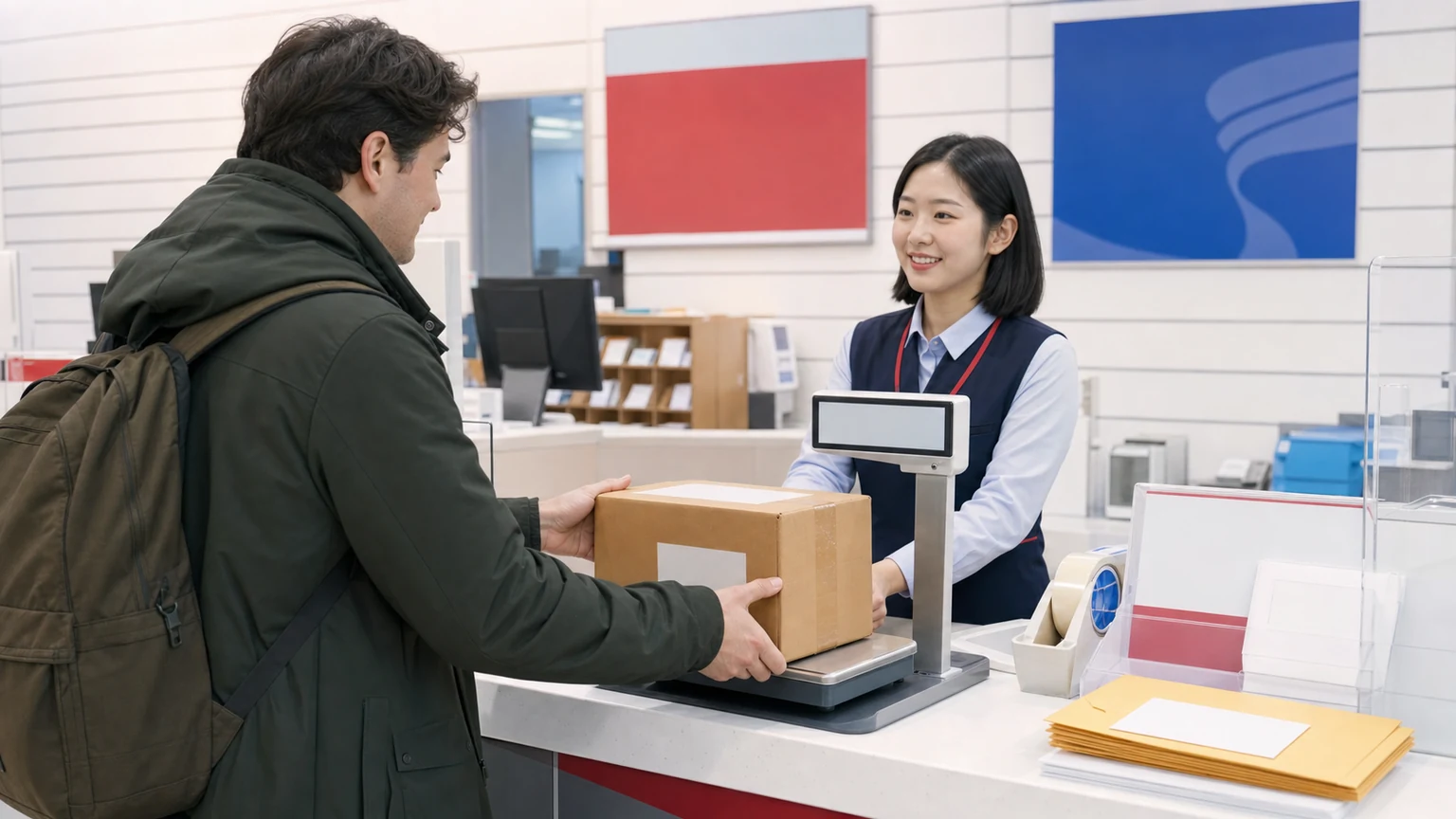
At a Korean post office, start with the service you need. Say 택배 보내고 싶어요, “I want to send a parcel,” or 등기 우편으로 보내고 싶어요, “I want to send it by registered mail.”
post office words helps learners practice Korean words in real situations. This BSKorean post keeps the lesson clear, scannable, and connected to app practice.
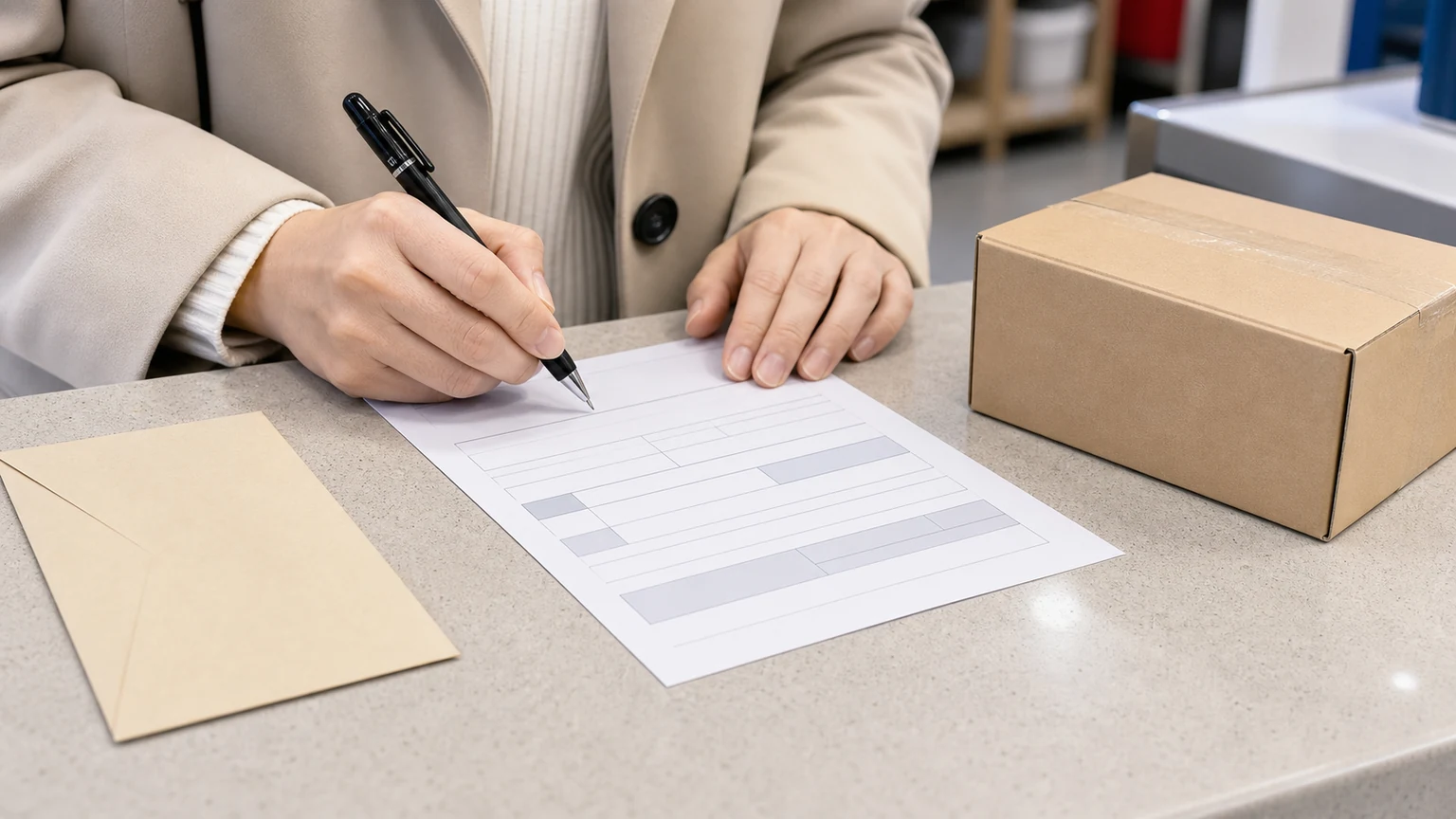
Post office words are useful when you send mail, prepare a parcel, fill out an address form, ask for registered mail, keep a receipt, or check delivery tracking in Korea. This lesson teaches post office words by task, so you can read the counter and the form calmly instead of trying to translate every line at once.
Start by identifying the task: mail, parcel, registered mail, address, fee, or tracking.
Briefing Summary
Situation
Using a Korean post office for mail, parcels, registered mail, address forms, receipts, and tracking
Practice focus
post office, mail type, parcel type, recipient, sender, postal code, waybill, receipt, fee, and tracking words
Useful for
foreign residents, students, workers, new tenants, and anyone sending items from Korea
Study time
8-12 minutes
Slide 1. The Situation
Imagine you walk into a 우체국 with a small parcel. You may need 우편, 소포, 택배, or 등기. Start with the task first. Are you sending mail, sending a parcel, using registered mail, or asking about tracking?
This post is a Korean language lesson, not postal, customs, insurance, refund, delivery-time, price, or prohibited-item advice. For exact prices, international rules, customs documents, lost mail, refunds, or delivery promises, follow the official counter, service provider, or government guidance.
Slide 2. Key Post Office Words
Counter words help you connect the parcel, form, fee, and receipt.
Korean
Romanization
English
Level
Use
우체국
ucheguk
post office
BS1
The place where you send mail or parcels.
우편
upyeon
mail; postal service
BS2
General mail or postal-service word.
우편함
upyeonham
mailbox
BS2
Place where mail is received.
소포
sopo
parcel; package
BS2
Parcel or package at the post office.
택배
taekbae
courier delivery; parcel delivery
BS2
Common parcel-delivery word.
등기
deunggi
registered mail
BS4
Registered mail with proof or tracking depending on service.
주소
juso
address
BS2
Address field on a form or label.
우편번호
upyeon beonho
postal code
BS3
Postal code on an address form.
받는 사람
batneun saram
recipient
BS3
Person receiving the mail or parcel.
보내는 사람
bonaeneun saram
sender
BS3
Person sending the mail or parcel.
운송장
unsongjang
waybill; shipping label
BS4
Shipping label or waybill used for delivery tracking.
배송 조회
baesong johoe
delivery tracking
BS4
Checking delivery status.
배송비
baesongbi
shipping fee; delivery fee
BS2
Fee for sending a parcel or delivery.
국제우편
gukje upyeon
international mail
BS4
Mail going to another country.
접수증
jeopsujeung
receipt of acceptance; filing receipt
BS5
Proof that the item or request was accepted.
Slide 3. Read the Post Office in Five Passes
Address fields become easier when you separate recipient, sender, address, and postal code.
Pass 1: Place. Start with 우체국 and 우편함. They tell you whether you are at the post office or dealing with received mail.
Pass 2: Mail or parcel type. Check whether the task is 우편, 소포, 택배, 등기, or 국제우편.
Pass 3: Address form. Look for 주소, 우편번호, 받는 사람, and 보내는 사람 before you write.
Pass 4: Fee. When money appears, connect it to 배송비. The word tells you it is a shipping or delivery fee, but the price still depends on the service.
Pass 5: Proof and tracking. Keep the 운송장 or 접수증, then use 배송 조회 when you check the delivery.
Slide 4. Common Post Office Mistakes
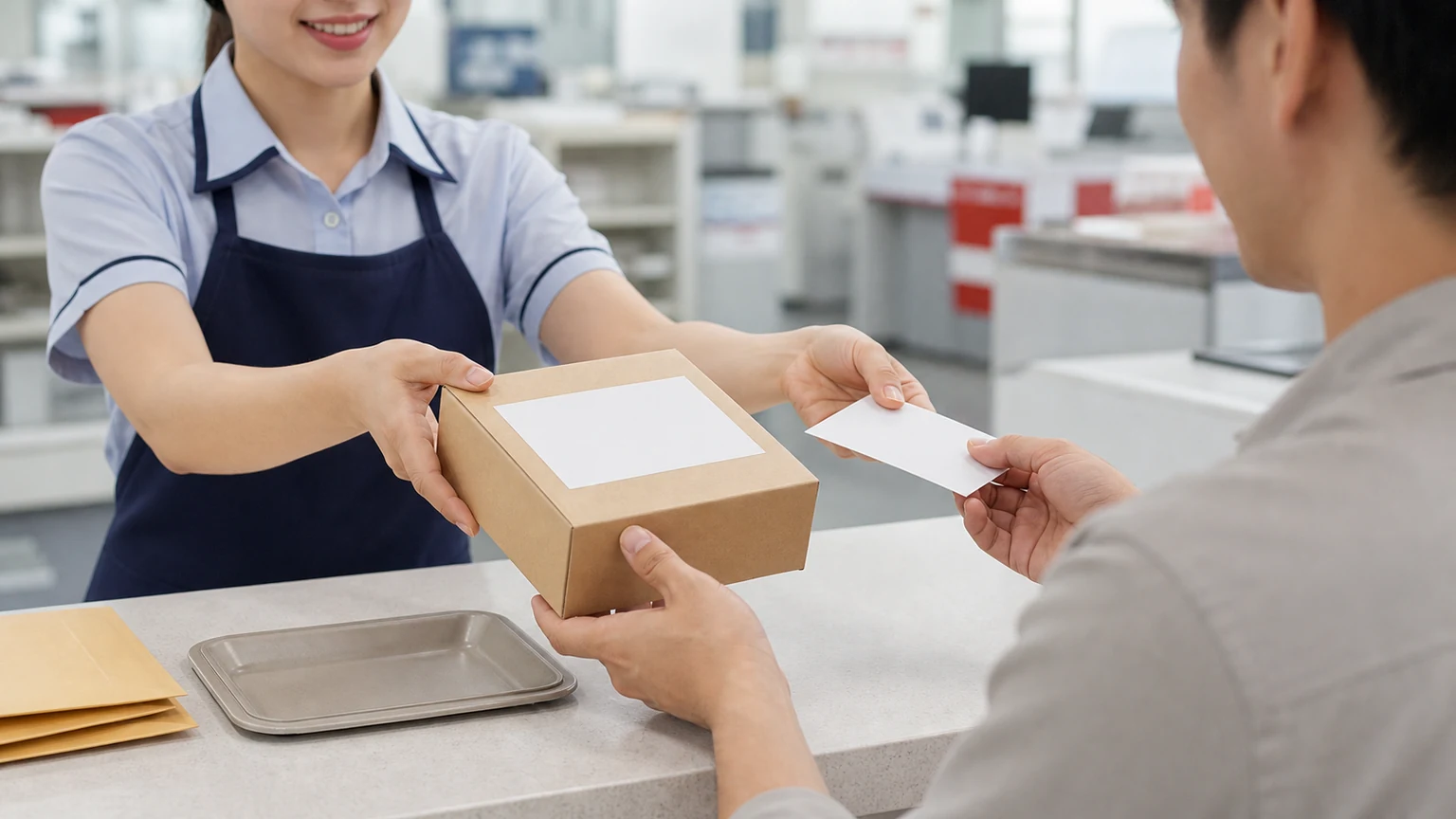
The receipt and waybill help you keep proof and track the delivery.
The first mistake is mixing 우편, 소포, and 택배. 우편 is the broad mail or postal-service word. 소포 and 택배 point more toward parcels and delivery.
The second mistake is writing the wrong person in the wrong field. 받는 사람 is the recipient. 보내는 사람 is the sender. On a form, check these two labels before you write the names and addresses.
The third mistake is treating 운송장 and 접수증 as the same thing. A waybill or shipping label helps with delivery information. A receipt of acceptance proves the post office accepted the item. Keep the proof until the delivery is finished.
Slide 5. Practice With BSKorean
Review the same word set before you use the post office again.
Practice this topic in BSKorean: Read the BSKorean app guide, then open the practice app. This exact article set keeps the post office words together so you can review mail, parcels, forms, fees, receipts, and tracking in one focused session.
A good practice habit is to say the task first: mail, parcel, registered mail, address form, fee, proof, or tracking. Then say the Korean word. This makes the post office less stressful because you are reading the service flow, not every possible notice on the wall.
Mini Review Table
If you see…
Think…
우체국
This is the post office.
소포
This is a parcel.
등기
This means registered mail.
주소
This is the address.
우편번호
This is the postal code.
받는 사람
This is the recipient.
운송장
This is the waybill or shipping label.
배송 조회
This means delivery tracking.
Final Takeaway
You do not need to understand every postal form to use a Korean post office. First identify the service, then separate the address fields, keep the proof, and use the tracking word when needed. These Korean post office words give you a simple order for sending mail or parcels with more confidence.
Convenience store Korean is useful every day. Start with 계산해 주세요, “please ring this up.” Then learn the fast checkout words: 봉투, 영수증, 카드 결제, and 전자레인지.
convenience store words helps learners practice Korean words in real situations. This BSKorean post keeps the lesson clear, scannable, and connected to app practice.
Convenience store words are useful when you buy a quick meal, ask for a bag, heat food, check a promotion, save membership points, recharge a transport card, or drop off a parcel in Korea. This lesson teaches convenience store words by task, so you can read the store more calmly instead of trying to translate every shelf label.
Start by identifying the task: food, checkout, promotion, or store service.
Briefing Summary
Situation
Using a Korean convenience store for food, checkout, promotions, and simple services
Practice focus
store, checkout, receipt, bag, food, microwave, discount, membership, transport card, and parcel words
Useful for
foreign residents, students, workers, travelers, and new tenants in Korea
Study time
8-12 minutes
Slide 1. The Situation
Imagine you walk into a 편의점. You may need food, the microwave, the checkout counter, a promotion, or a service. First decide the task. If you are paying, look for 계산대. If you need proof of purchase, ask for 영수증. If you have several items, you may need a 봉투.
This post is a Korean language lesson, not pricing, refund, parcel, transport card, tax, or membership policy advice. Store rules, refund conditions, parcel limits, transport card recharge limits, and membership terms should be confirmed with the store screen, the cashier, or the service provider.
Slide 2. Key Convenience Store Words
Checkout words help you ask about receipts, bags, and payment moments.
Korean
Romanization
English
Level
Use
편의점
pyeonuijeom
convenience store
BS1
The store itself.
계산대
gyesandae
checkout counter
BS2
Place where you pay.
영수증
yeongsujeung
receipt
BS1
Printed or digital receipt.
봉투
bongtu
shopping bag; envelope
BS1
At checkout, usually a shopping bag.
도시락
dosirak
lunch box; boxed meal
BS2
Convenience store boxed meal.
삼각김밥
samgak gimbap
triangle kimbap
BS2
Common ready-to-eat convenience store food.
컵라면
keop ramyeon
cup noodles
BS2
Instant cup noodles.
전자레인지
jeonjareinji
microwave
BS3
Microwave for convenience store meals.
데우다
deuda
to heat up; to warm up
BS3
Action for heating food.
얼음컵
eoreumkeop
ice cup
BS3
Cup of ice for drinks.
행사 상품
haengsa sangpum
promotional item; sale item
BS5
Item under a promotion.
할인
harin
discount
BS1
Discount word for prices and promotions.
멤버십 적립
membeosip jeongnip
membership point saving; point accumulation
BS4
Asking to save membership points.
교통카드 충전
gyotong kadeu chungjeon
transport card recharge
BS4
Store service for recharging a transport card.
택배 접수
taekbae jeopsu
parcel drop-off; parcel acceptance
BS4
Store service for parcel drop-off or acceptance.
Slide 3. Read the Store in Five Passes
Food and heating words often appear near the microwave or hot water area.
Pass 1: Place. Start with 편의점. It tells you the setting.
Pass 2: Food. Look for 도시락, 삼각김밥, 컵라면, and 얼음컵 when choosing a quick meal or drink.
Pass 3: Heat. Use 전자레인지 for the microwave and 데우다 for the action of heating food.
Pass 4: Checkout. At the 계산대, you may hear 영수증 or 봉투.
Pass 5: Promotions and services. For saving or asking, watch for 행사 상품, 할인, 멤버십 적립, 교통카드 충전, and 택배 접수.
Slide 4. Common Convenience Store Mistakes
Promotion words are useful, but the condition still matters.
The first mistake is reading 봉투 too narrowly. It can mean an envelope, but at a convenience store checkout it usually means a shopping bag. A short phrase like 봉투 하나 주세요 is practical when you need a bag.
The second mistake is mixing the machine with the action. 전자레인지 is the microwave. 데우다 means to heat something up. If you ask the cashier, 이거 데워 주세요 is a useful phrase.
The third mistake is assuming every 행사 상품 or 할인 is simple. Promotions can have conditions, dates, app membership rules, or card rules. Learn the word first, then check the condition if money matters.
Slide 5. Practice With BSKorean
Some convenience store words are service words, not normal checkout words.
Practice this topic in BSKorean: Read the BSKorean app guide, then open the practice app. This exact article set keeps the convenience store words together so you can review food, checkout, promotion, membership, and service words in one session.
A good practice habit is to say the task first: food, heat, checkout, promotion, or service. Then say the Korean word. This is especially helpful in a small store where the microwave, receipt printer, membership screen, and service counter may all be close together.
Mini Review Table
If you see…
Think…
편의점
This is the convenience store.
계산대
This is the checkout counter.
영수증
This is the receipt.
도시락
This is a boxed meal.
컵라면
These are cup noodles.
전자레인지
This is the microwave.
멤버십 적립
This means membership point saving.
택배 접수
This means parcel drop-off.
Final Takeaway
You do not need to understand every product label to use a Korean convenience store. First identify the task, then use the key word: 계산대 for checkout, 전자레인지 for heating food, 멤버십 적립 for points, and 택배 접수 for parcel drop-off. These Korean convenience store words give you a simple order for using the store more confidently.
A Korean payslip usually separates money you earned from money deducted. Start with the question 급여명세서를 확인하고 싶어요, “I want to check my payslip.” Then look for 기본급, 수당, 공제, 세금, and 실수령액.
Korean payslip words helps learners practice Korean words in real situations. This BSKorean post keeps the lesson clear, scannable, and connected to app practice.
Korean payslip words help you understand what happened to your pay: the salary amount, hourly wage, pre-tax amount, deductions, insurance lines, net pay, pay date, account, and deposit. This lesson is for language recognition, so you can find the important words before asking payroll a clearer question.
Start with the real moment: a payslip arrives and you need to find the important parts.
Briefing Summary
Situation
Reading a Korean payslip after payday
Practice focus
salary, hourly wage, pre-tax amount, deductions, insurance, net pay, pay date, account, and deposit words
Useful for
foreign workers, factory workers, service workers, and anyone paid by salary or hourly wage in Korea
Study time
8-12 minutes
Slide 1. The Payslip Moment
Imagine you receive a 급여명세서 after payday. The first question is simple: what was paid, what was deducted, and what arrived in your account? Start with 급여, 세전 금액, 공제, and 실수령액. These words give you the basic map of the page.
This post is a Korean language lesson, not tax, labor, or financial advice. If you think a real payslip is wrong, ask payroll, a local help center, or a qualified professional. The goal here is to help you recognize the words that deserve a question.
Slide 2. Key Korean Payslip Words
The image stays text-free; the payslip words are in the table below.
Korean
Romanization
English
Level
Use
급여
geubyeo
salary; pay
BS2
Main pay word on a payslip.
급여명세서
geubyeo myeongseoseo
payslip; pay statement
BS5
The document that explains pay.
월급
wolgeup
monthly salary
BS1
Monthly salary amount.
시급
sigeup
hourly wage
BS2
Hourly pay rate.
세전 금액
sejeon geumaek
pre-tax amount
BS5
Amount before taxes and deductions.
공제
gongje
deduction
BS4
Money subtracted from pay.
소득세
sodeukse
income tax
BS5
Income tax line.
국민연금
gungmin yeongeum
national pension
BS5
National pension deduction line.
건강 보험
geongang boheom
health insurance
BS4
Health insurance deduction line.
고용보험
goyong boheom
employment insurance
BS5
Employment insurance deduction line.
산재보험
sanjae boheom
industrial accident insurance
BS5
Workplace accident insurance line.
실수령액
silsuryeong-aek
net pay; take-home pay
BS5
Final amount you receive.
지급일
jigeubil
pay date
BS3
Date the pay is issued.
계좌
gyejwa
bank account
BS1
Bank account for payment.
입금
ipgeum
deposit
BS1
Deposit into the bank account.
Slide 3. Read a Payslip in 3 Steps
A payslip explains the amount; a bank deposit confirms what arrived.
Step 1: Find the pay type. Look for 급여, 월급, and 시급. These tell you whether the page is talking about pay, monthly salary, or hourly wage.
Step 2: Compare before and after deductions. Find 세전 금액, 공제, and 실수령액. This helps you separate the starting amount from the final amount.
Step 3: Match the final amount to your bank. Check 지급일, 계좌, and 입금. These words connect the payslip to the bank deposit.
Slide 4. Deductions and Insurance Words
Deduction and insurance words are the parts that often need a question.
The word 공제 means deduction. It is the big category for money subtracted from pay. On many payslips, you may also see insurance or tax words such as 소득세, 국민연금, 건강 보험, 고용보험, and 산재보험.
Do not try to solve every number from vocabulary alone. Use these words as labels. If a line looks unexpected, point to the Korean word and ask: “What is this item?” or “Why was this deducted?” That is a practical first step.
Slide 5. Practice With BSKorean
Practice recognition first, then use the words when reading a real payslip.
Practice this topic in BSKorean: Read the BSKorean app guide, then open the practice app. Use this article set to practice Korean word, romanization, English meaning, and the payslip situation together.
A useful habit is to group the page first: pay, deductions, insurance, final amount, date, and bank. Then say the Korean word. That makes a busy payslip easier to scan.
Mini Review Table
If you see…
Think…
급여명세서
This tells you the page is a payslip or pay statement.
세전 금액
This is the amount before taxes and deductions.
공제
This means a deduction from pay.
건강 보험
This points to the health insurance line.
실수령액
This is the final take-home amount.
지급일
This is the pay date.
계좌
This is the bank account.
입금
This means the money was deposited.
Final Takeaway
You do not need to understand every small number to begin reading a payslip. First find the payslip word, then the pay, deduction, insurance, net pay, pay date, account, and deposit words. These Korean payslip words help you ask better questions when your pay arrives.
Korean recycling words helps learners practice Korean words in real situations. This BSKorean post keeps the lesson clear, scannable, and connected to app practice.
Korean recycling words are essential when you live in Korea, especially in apartments, studios, dorms, or shared housing. The difficult part is not the idea of recycling. It is reading the right label at the right moment. This briefing follows a five-slide lesson: identify the waste type, choose the correct bag or bin, watch food waste rules, sort recyclables, and handle bulky waste without guessing.
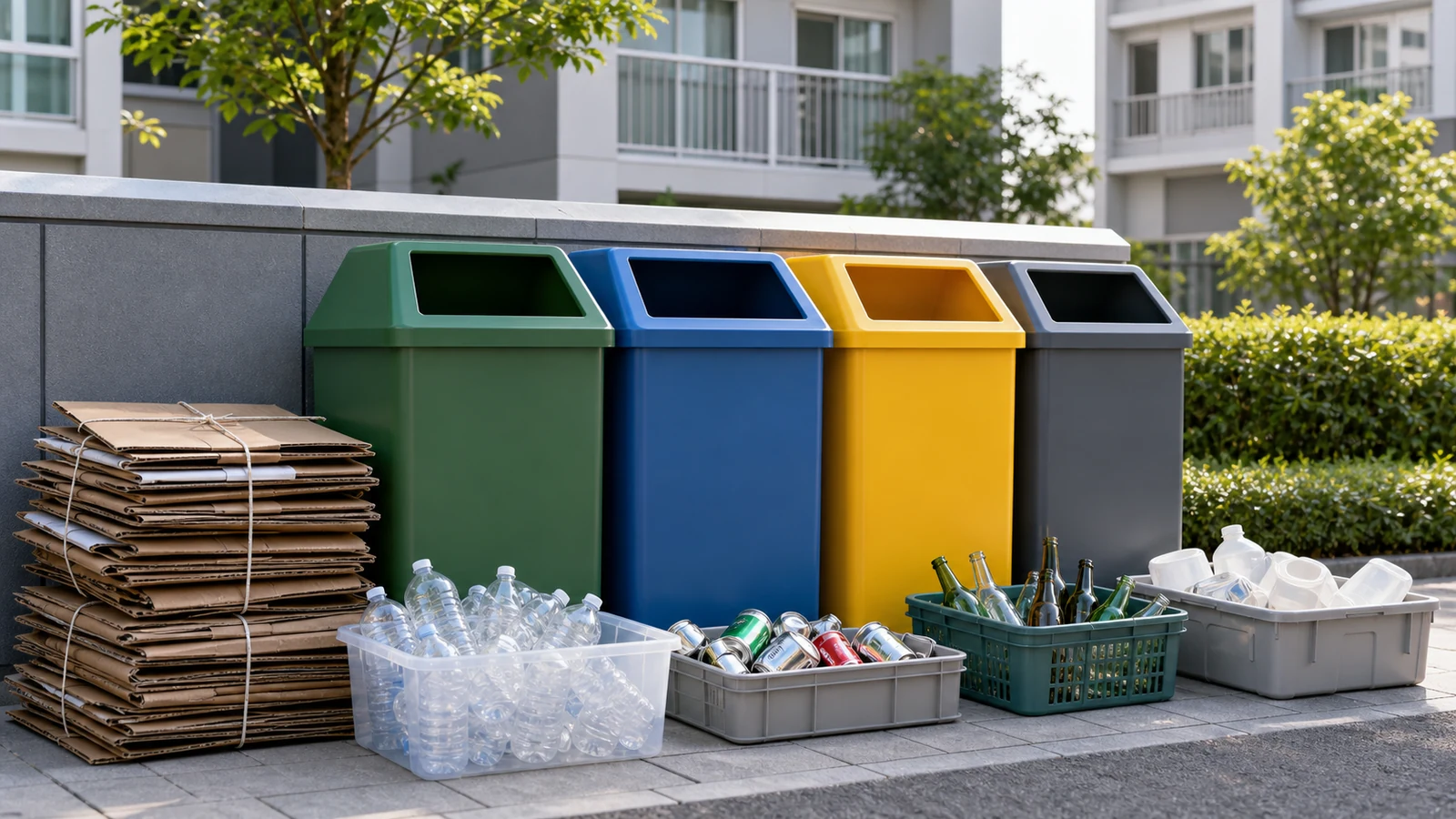
You are standing at an apartment recycling area with bottles, paper, a small trash bag, and maybe food scraps from dinner. The bins look familiar, but the Korean labels can change your next action. Some items go into 재활용품. Some become 일반쓰레기. Food scraps may need a separate container or bag. Large items like a chair may be 대형폐기물, not normal trash.
The slide shows a calm sorting area because this lesson is about practical reading. You do not need to understand every recycling notice. First, find the object word. Then look for the disposal action. If you can recognize 분리수거, 쓰레기봉투, 음식물쓰레기, and 분리배출, you can avoid the most common mistakes.
Slide 2. Key Recycling Words
The table below gives fifteen Korean recycling words from the Wordbook database. They are grouped around one daily route: name the waste, decide whether it is general trash, food waste, or recycling, then choose the right bag or bin.
Korean
Romanization
English
Usage
쓰레기
sseuregi
trash
The general word for waste, but it does not tell you the disposal type.
생활 폐기물
saenghwal pyegimul
household waste
A formal term for waste made in daily home life.
음식물쓰레기
eumsikmul sseuregi
food waste
Use this for food scraps that go in a separate container or bag.
일반쓰레기
ilban sseuregi
general waste
This is non-recyclable waste that usually needs a paid trash bag.
재활용품
jaehwaryongpum
recyclables
This means items that should go to recycling, not general trash.
분리수거
bulli sugeo
waste sorting
This is the everyday word for sorting recycling and waste.
분리배출
bulli baechul
separate disposal
A notice-style word meaning you must put items out by type.
분리수거함
bulli sugeoham
sorting bin
Look for this bin area in apartment basements or outside zones.
쓰레기봉투
sseuregi bongtu
trash bag
This often means the official paid bag for general waste.
종이류
jongnyu
paper items
Use this label for paper waste, paper bags, boxes, and similar items.
플라스틱류
peullaseutiknyu
plastic items
This label covers plastic containers, packaging, and similar items.
페트병
peteubyeong
plastic bottle
A common recycling word for drink bottles made from PET plastic.
비닐봉지
binil bongji
plastic bag
This means a thin plastic bag, often sorted differently from hard plastic.
대형폐기물
daehyeong pyegimul
bulky waste
This is for large items like furniture that need a special process.
분리배출하다
bulli baechulhada
to dispose separately
Use this verb when a notice tells residents to sort before disposal.
Start with the big category. 쓰레기 is broad, so it is only your first clue. The important question is what kind of trash it is. 일반쓰레기 usually needs an official trash bag. 음식물쓰레기 goes separately. 재활용품 must be sorted into the right bin.
Next, notice the place word or container word. 분리수거함 tells you where sorted items go. 쓰레기봉투 tells you a bag is required. If a notice says 대형폐기물, do not leave the item beside normal bins. Large waste often needs a report, sticker, fee, or assigned pickup day.
Slide 3. Reading Formulas
Recycling Korean becomes easier when you read labels as formulas. Type plus container is the first formula. 플라스틱류 + 분리수거함 means plastic items go into the sorting bin. 종이류 + 접어서 often means paper should be folded or flattened. 페트병 + 라벨 제거 tells you to remove the bottle label.
The second formula is waste type plus disposal action. 재활용품을 분리배출하세요 means you should dispose of recyclables separately. 음식물쓰레기는 따로 버리세요 means food waste is separate from other trash. In signs, 따로 and 분리 both warn you not to mix items.
The third formula is exception plus special process. 대형폐기물 is the key warning word. A chair, mattress, desk, or shelf may not belong in the normal trash area. If you see that word, check whether the apartment office, district office, or app requires a pickup request.
A small reading habit helps here. Do not start with the longest sentence on the sign. Scan for the material word first. Then scan for the action word near it. If you see 종이류, the notice is probably about paper. If you see 플라스틱류 or 페트병, the rule is probably about emptying, separating, or removing a label.
Slide 4. Read Recycling Korean in 3 Steps
Step one is to name the item. Ask yourself whether it is paper, plastic, food waste, a plastic bottle, or a large item. Match the item to a word such as 종이류, 플라스틱류, 음식물쓰레기, 페트병, or 대형폐기물. This prevents you from using one general trash idea for everything.
Step two is to choose the correct container. If the notice says 일반쓰레기, look for the correct 쓰레기봉투. If the label says 재활용품, move to the 분리수거함. If it says 음식물쓰레기, check whether your building uses a food waste bin, card reader, or special bag.
Step three is to check the special rule. Bottles may need emptying. Paper may need folding. Plastic bags may be collected separately. Large items may need registration. This is where 분리배출 matters. The word does not only mean recycling. It means you must separate the item correctly before putting it out.
This three-step method also helps when a neighbor or building staff member gives a quick instruction. Listen for the item word first. Then listen for the container or action word. You can ask a short question like 이건 어디에 버려요?, which means “Where do I throw this away?”
If the answer is too fast, repeat only the key word you heard. For example, say 음식물쓰레기요? or 재활용품이에요? with a questioning tone. This keeps the conversation simple. You are not asking for a full grammar explanation. You are confirming which disposal category controls the next step.
Slide 5. Mistakes and Practice
The first mistake is using 쓰레기 for every situation. It is a useful word, but it is too broad. When you read an apartment notice, look for the more exact label. 일반쓰레기, 음식물쓰레기, and 재활용품 lead to different actions.
The second mistake is putting dirty recyclables directly into the bin. A notice may ask residents to empty, rinse, flatten, or remove labels. Even if those verbs are new, the category words still help. If you see 페트병, check the bottle. If you see 종이류, check whether boxes should be flattened.
The third mistake is treating 대형폐기물 as normal trash. Large waste rules are strict in many Korean cities. If you are unsure, ask building staff before leaving the item outside. A simple question is enough: 대형폐기물 신고해야 해요? It means “Do I need to report bulky waste?”
Practice
Answer these quick recognition questions. 1. Which word means food waste: 음식물쓰레기 or 종이류? 2. Which word means a sorting bin: 분리수거함 or 쓰레기봉투? 3. Which word warns you about large waste: 대형폐기물 or 페트병?
Mini scenario: you have a plastic drink bottle and a pizza box. The bottle is 페트병, so empty it and check the label. The pizza box may be 종이류 only if it is not too dirty. The answer key is 음식물쓰레기, 분리수거함, and 대형폐기물. The main habit is simple: identify, sort, then dispose.
Mini Review Table
If you see…
It usually means…
What to do
일반쓰레기
Non-recyclable waste.
Use the correct trash bag.
음식물쓰레기
Food waste is separate.
Use the food waste bin or bag.
재활용품
The item can be recycled.
Sort by material.
분리수거함
This is the sorting bin.
Choose the matching bin.
대형폐기물
A large item needs special handling.
Ask before leaving it outside.
Final Takeaway
Korean recycling words are practical because they tell you the next action. Do not stop at 쓰레기. Find the exact type, choose the correct bag or sorting bin, and check for special rules. When the label is unclear, ask one short question before putting the item out.
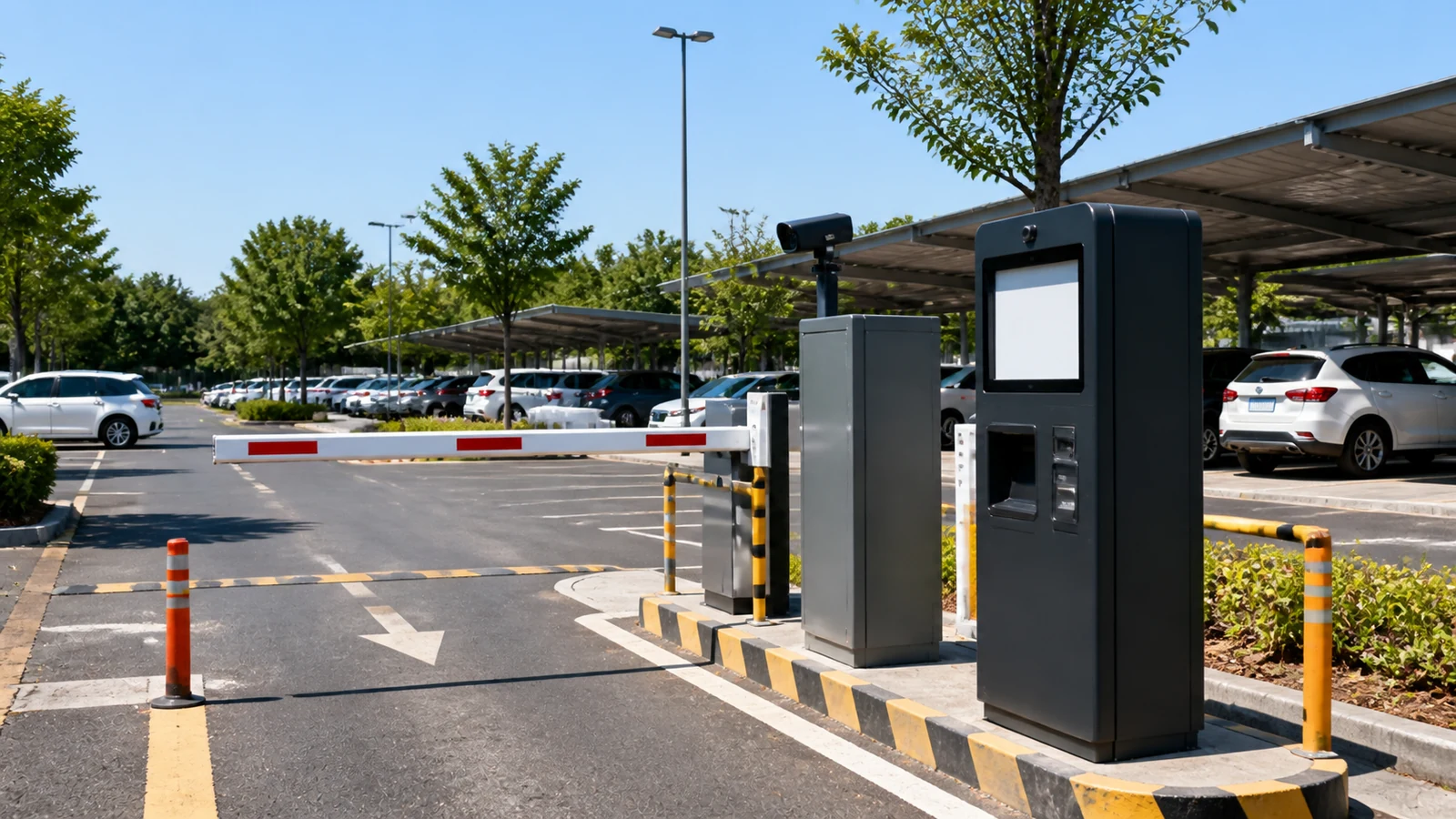
Korean parking lot words helps learners practice Korean words in real situations. This BSKorean post keeps the lesson clear, scannable, and connected to app practice.
Korean parking lot words help you make fast decisions before you stop the car, pay a fee, or leave a garage. This briefing follows the subway lesson style: read the visible word, connect it to one action, and move step by step. You will learn parking, fee, payment, operating-hour, no-parking, and enforcement words that appear in real Korean parking situations.
You arrive near a public lot, an apartment garage, or a small paid parking area. The first problem is not grammar. It is choosing the right action from several signs and screens. Start with the biggest location word. If you see 주차장, you are near the parking lot. If you see 주차구역, you need to park inside the marked area.
Next, check whether the space is allowed. 주차금지, 무단주차, and 불법주차 are warning words. They tell you that stopping the car may lead to a fine or towing. A safe beginner rule is simple: location words invite action, but 금지 and 단속 words stop action.
The slide also shows why parking vocabulary is different from a normal word list. You are often reading while moving, carrying bags, or standing beside a machine. That means the lesson must train fast recognition. Learn the few words that change your next step, then ignore extra detail until the car is safely parked or the fee is paid.
Slide 2. Key Parking Lot Words
The table below gives fourteen Korean parking lot words from the Wordbook database. They are grouped around what a learner must do: find the lot, read the fee, pay correctly, and avoid restricted parking.
Korean
Romanization
English
Usage
주차
jucha
parking
Use this for the general action of parking a car.
주차장
juchajang
parking lot
Look for this word when finding a place to park.
주차비
juchabi
parking fee
This is the amount you pay for parking time.
요금
yogeum
fee
A general charge shown on signs, screens, or receipts.
정산
jeongsan
settlement
Use this for paying or settling the parking fee before exit.
결제
gyeolje
payment
This appears at kiosks, apps, and card payment steps.
운영시간
unyeong sigan
operating hours
Check this before assuming the lot is open all day.
주차구역
jucha guyeok
parking area
This marks an allowed or assigned parking area.
주차공간
jucha gonggan
parking space
Use this for an available spot, not the whole lot.
주차금지
jucha geumji
no parking
A strict sign telling you not to park there.
불법주차
bulbeop jucha
illegal parking
This describes parking that breaks the rule or law.
주차단속
jucha dansok
parking enforcement
This warns that parking rules may be checked or fined.
무단주차
mudan jucha
unauthorized parking
This means parking without permission in a restricted place.
주차규정
jucha gyujeong
parking regulation
Use this for posted rules about time, payment, and access.
Do not try to memorize every parking sentence at once. First, separate place words from money words. 주차장, 주차구역, and 주차공간 tell you where parking may happen. 주차비, 요금, 정산, and 결제 tell you what to pay or press. Finally, warning words tell you where not to park.
This grouping also helps when a sign looks crowded. A parking notice may include hours, prices, vehicle limits, and warnings in one place. Do not read it from the first Korean syllable to the last. Scan for the function word first. If the word is about place, decide where to move. If it is about money, look for the kiosk. If it is a warning, stop and choose another space.
Slide 3. Reading Formulas
Parking signs often use short noun patterns. The most useful formula is noun + 요금. It points to a fee. When you see 주차비 or 주차 요금, look nearby for the time unit, discount note, or payment machine. You do not need full sentence grammar to understand the demand.
The second formula is noun + 금지. 주차금지 means “no parking.” It is stronger than a suggestion. The third formula is noun + 단속. 주차단속 means parking enforcement, so the rule is actively being checked. These formulas help you read unfamiliar signs quickly. Find the base word, then read the ending word for the action.
For speaking, keep sentences short. Ask 주차장이 어디예요? when you need the lot. Ask 주차비는 얼마예요? when the fee is unclear. Say 카드로 결제할게요. at a payment point.
On machines, read buttons from top to bottom and look for the payment action. You may see card, receipt, discount, or exit words beside the core parking terms. A beginner does not need to master every button. The key is to recognize that 정산 prepares the fee, while 결제 finishes the payment. That difference prevents many exit-lane problems.
Slide 4. Read Parking Lot Signs in 3 Steps
Step one is place. Look for 주차장, then check whether there is an available 주차공간. If the lot marks special zones, use 주차구역 as your guide. Stay inside the marked space and avoid any area with a restriction word.
Step two is time and fee. Read 운영시간 before assuming the lot is open. Then look for 요금 or 주차비. Some lots charge by the hour. Others need payment before exit. If you see 정산, settle the fee before you drive to the barrier.
Step three is exit. At a kiosk, 결제 means payment. After payment, move toward the exit lane. If the barrier does not open, keep the receipt or call the attendant. Do not reverse into another lane unless the sign clearly allows it.
If you are unsure whether payment is already complete, watch the screen for a receipt, paid amount, or confirmation message. Many Korean parking systems are automated, so staff may not be nearby. In that situation, your safest Korean is short and direct: 정산했어요? means “Did I settle it?” and 결제됐어요? means “Was the payment completed?”
Slide 5. Mistakes and Practice
The first common mistake is reading 주차장 and ignoring the smaller rule beside it. A lot may be open, but one section may still be restricted. Check the words around the arrow or painted space before you park.
The second mistake is confusing 정산 and 결제. They are close, but their timing can feel different. 정산 often means settling the parking fee before exit. 결제 is the payment action itself. If a screen asks for 결제, choose the payment method.
The third mistake is treating warning words as decoration. 주차금지, 불법주차, 무단주차, and 주차단속 are not background text. They tell you the space is risky. Move the car before you start translating every word.
Practice
Answer these quick recognition questions. First, which word tells you not to park: 주차장 or 주차금지? Second, which word points to payment settlement before exit: 정산 or 주차공간? Third, which word means operating hours: 운영시간 or 불법주차?
Mini scenario: you enter a garage and see 운영시간, 주차비, and 정산 near the elevator. The safe reading is: check the hours, note the fee, then settle payment before leaving. Answer key: 주차금지, 정산, and 운영시간.
Mini Review Table
If you see…
It usually means…
What to do
주차장 / 주차구역
A parking lot or allowed area
Park only inside the marked space.
주차비 / 요금
A fee or charge
Check the amount and time rule.
정산 / 결제
Settlement or payment
Use the kiosk, card reader, or app.
주차금지 / 무단주차
Parking is not allowed
Move the car to another space.
주차단속
Enforcement may happen
Do not risk the restricted area.
Final Takeaway
Korean parking lot words become manageable when you read them by function. First find the place. Then read the fee and payment words. Finally, respect warning words before you stop the car. This short order keeps parking signs practical, even when the full notice looks crowded. Use the same order each time, and the signs will feel less scattered during real parking in Korea.